

.png) Jacob Peenikaparambil
Jacob Peenikaparambil
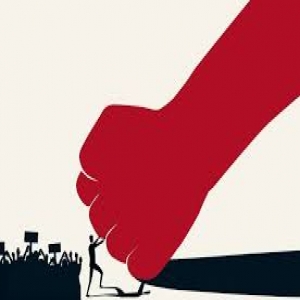
During the campaign for the 2014 Lok Sabha elections, one of Narendra Modi's slogans, the BJP's prime ministerial candidate, was "Congress Mukt Bharat" (an India liberated from the Congress). At the time, many people did not fully grasp the deeper implications of this slogan. However, the political developments since the BJP assumed power at the Centre under Modi's leadership in 2014 have revealed its underlying intent. The slogan effectively signalled a vision of governance without a strong and effective opposition.
At present, the Congress party remains the only opposition party with a pan-Indian presence. The reach and influence of most other parties are limited to one or a few states. For the BJP to maintain prolonged dominance and implement its ideological agenda of Hindutva, weakening—or even decimating—the Congress becomes strategically important.
The BJP and its ideological mentor, the Rashtriya Swayamsevak Sangh (RSS), envision transforming India into a Hindu Rashtra, where religious minorities such as Muslims and Christians risk being treated as second-class citizens. In essence, this vision seeks to establish Hindu identity, values, and ways of life as dominant within India's political framework, resulting in a majoritarian state. Since coming to power, the BJP has, according to critics, actively pursued this vision through various means.
Several international organisations have raised concerns about India's democratic trajectory. For instance, the United States Commission on International Religious Freedom (USCIRF), in its 2026 annual report, once again recommended designating India as a "country of particular concern" due to alleged severe violations of religious freedom—marking the seventh consecutive year of such a recommendation. The report also called for targeted sanctions against India's external intelligence agency, the Research and Analysis Wing (RAW), and the RSS for their alleged roles in these violations.
Given that the Congress and other secular parties oppose the ideological framework of the RSS-BJP, the BJP-RSS's continued strength poses a challenge to this vision. Consequently, weakening opposition parties appears to have become a central political strategy of the BJP.
This strategy operates along two main lines. First, the BJP has aligned with regional parties, gradually weakening them through internal splits or political absorption, and then forming alliances with one faction. A notable example is Maharashtra, where the Shiv Sena split into two factions, with the BJP aligning with the group led by Eknath Shinde. Similar patterns of political weakening have been observed among parties such as the Shiromani Akali Dal (SAD) in Punjab, the Janata Dal (United) (JDU) in Bihar, the Rashtriya Lok Dal (RLD) in Uttar Pradesh, and the People's Democratic Party (PDP) in Jammu and Kashmir.
The second approach has involved sustained political and legal pressure on the Congress party and its leadership, particularly Rahul Gandhi. The Nehru-Gandhi family is frequently blamed for a wide range of national issues. Even after more than a decade in power, the BJP continues to attribute many current challenges to past Congress governments. Criticism of Jawaharlal Nehru features prominently in several speeches by Prime Minister Modi, which critics view as part of a broader effort to discredit the Congress.
Rahul Gandhi has faced numerous legal cases across different states. By his own account in 2025, there were approximately 30–32 cases against him, including both ongoing and older ones. Critics also allege that sections of the media and social media ecosystems have been used extensively to discredit him. Additionally, opposition leaders have, at times, complained of being denied adequate opportunities to speak in Parliament. One of the reasons cited for the opposition's no-confidence motion against Lok Sabha Speaker Om Birla was the alleged denial of space for raising key national issues.
Concerns have also been raised regarding electoral processes. Opposition parties have alleged that the Special Intensive Revision (SIR) of electoral rolls has been used to disproportionately affect certain communities perceived to favour opposition parties. For example, reports from West Bengal suggest large-scale deletions and a significant number of voters placed "under adjudication," particularly in districts with higher minority populations. These claims remain politically contested.
In a further escalation, opposition parties have reportedly initiated an unprecedented move to impeach Chief Election Commissioner Gyanesh Kumar, accusing him of partisan conduct and irregularities in electoral roll revisions. The notice is said to be backed by a substantial number of Members of Parliament.
When opposition forces are weakened or rendered ineffective, key democratic safeguards begin to erode. Without robust scrutiny, government policies and executive actions may go unchecked, increasing the risk of misuse of power. A dominant ruling party may push its agenda without adequately addressing minority concerns or dissenting voices, thereby undermining pluralism. Legislative processes can suffer, as laws are passed without thorough debate or critical examination. Institutions such as the judiciary, media, and other oversight bodies may also become vulnerable to political pressure. In such an environment, media narratives risk becoming increasingly one-sided.
Some observers argue that India is moving toward what political scientists term an "electoral autocracy." This refers to a system in which regular, multiparty elections are held, but the broader democratic environment—characterised by free media, fair competition, and civil liberties—is weakened. While elections continue, the ruling party may tilt the playing field in its favour through control over resources, media access, and restrictions on dissent.
In such systems, freedoms of association and ex
At this critical juncture, opposition parties face the challenge of setting aside their differences, including vested interests and mutual rivalries, to safeguard democratic institutions and the Constitution. The upcoming elections in West Bengal, Assam, Tamil Nadu, Kerala, and Puducherry present an opportunity for opposition forces to demonstrate unity and reaffirm their commitment to democratic principles amid perceived majoritarian and authoritarian tendencies.
.jpg)
.png) Cedric Prakash
Cedric Prakash
 ICPA
ICPA
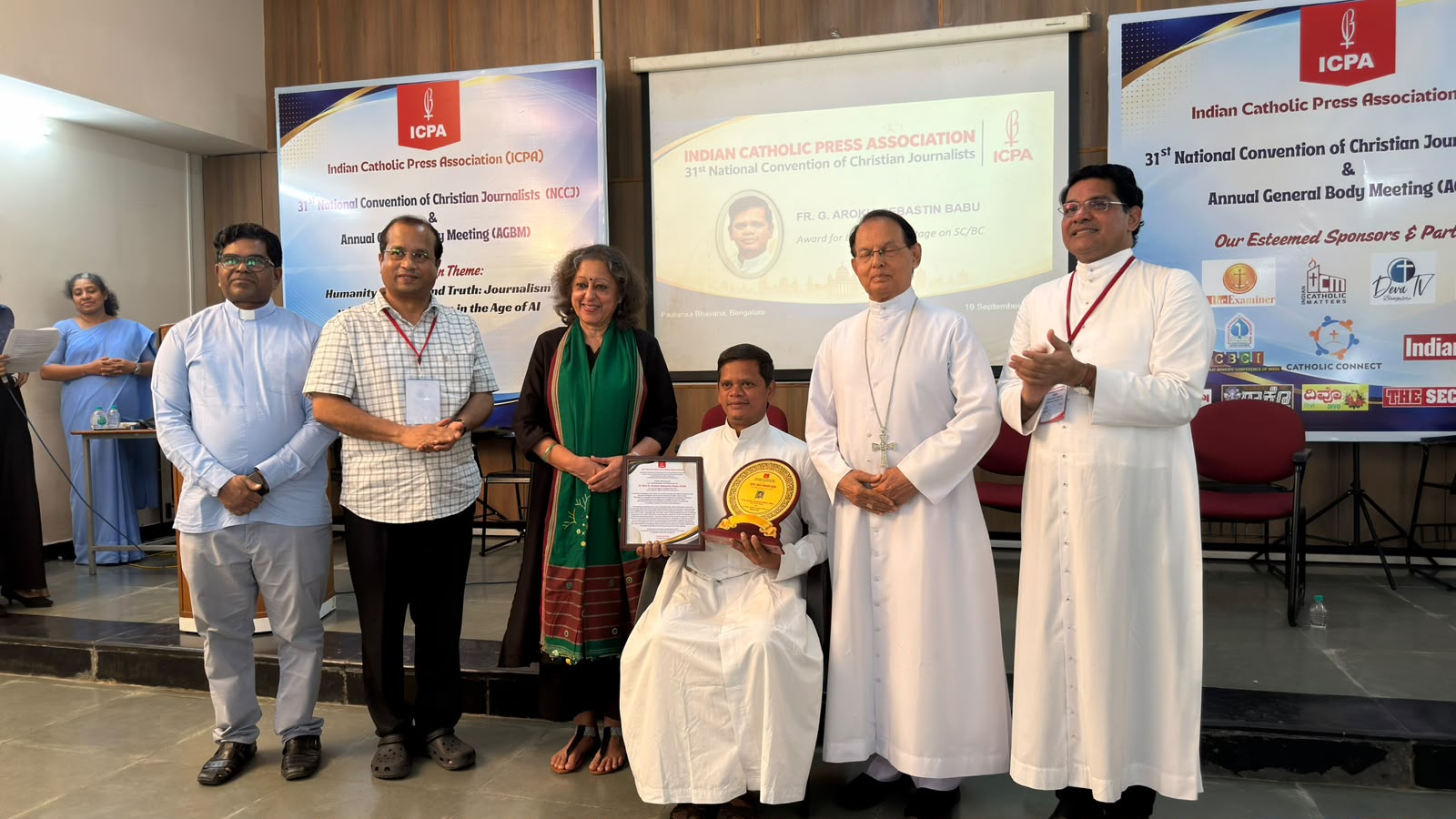 ICPA
ICPA
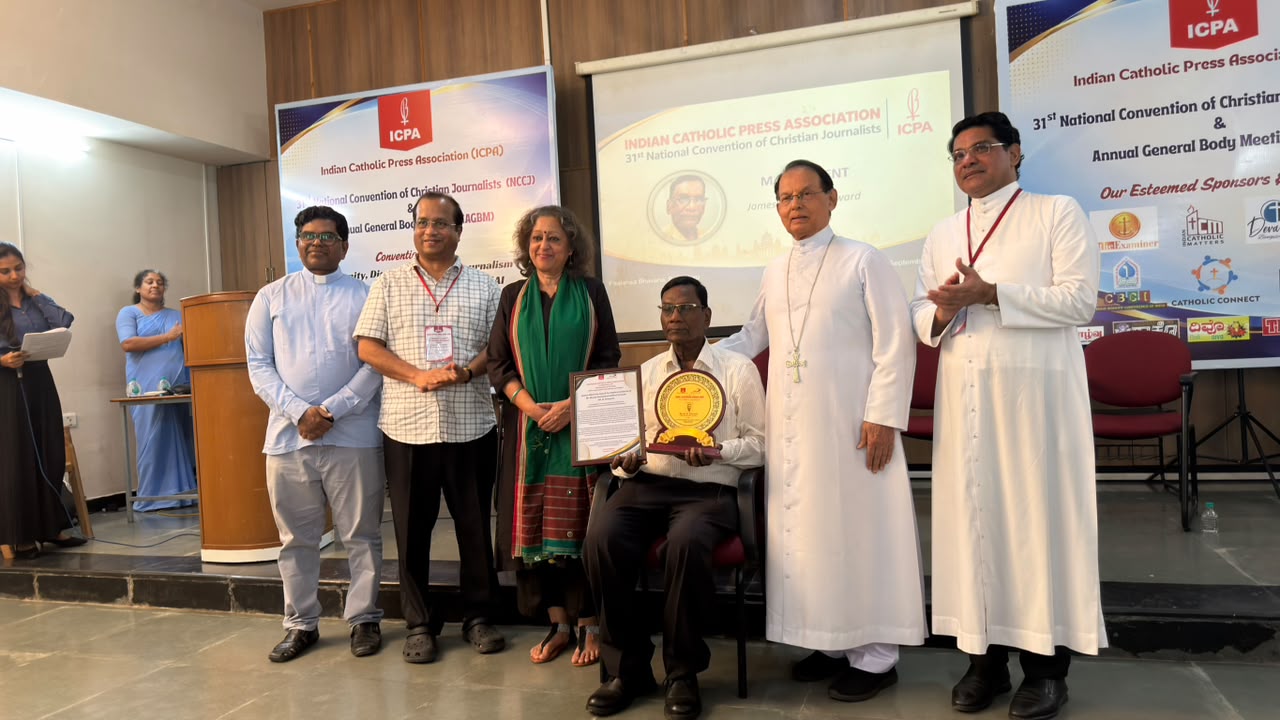 ICPA
ICPA
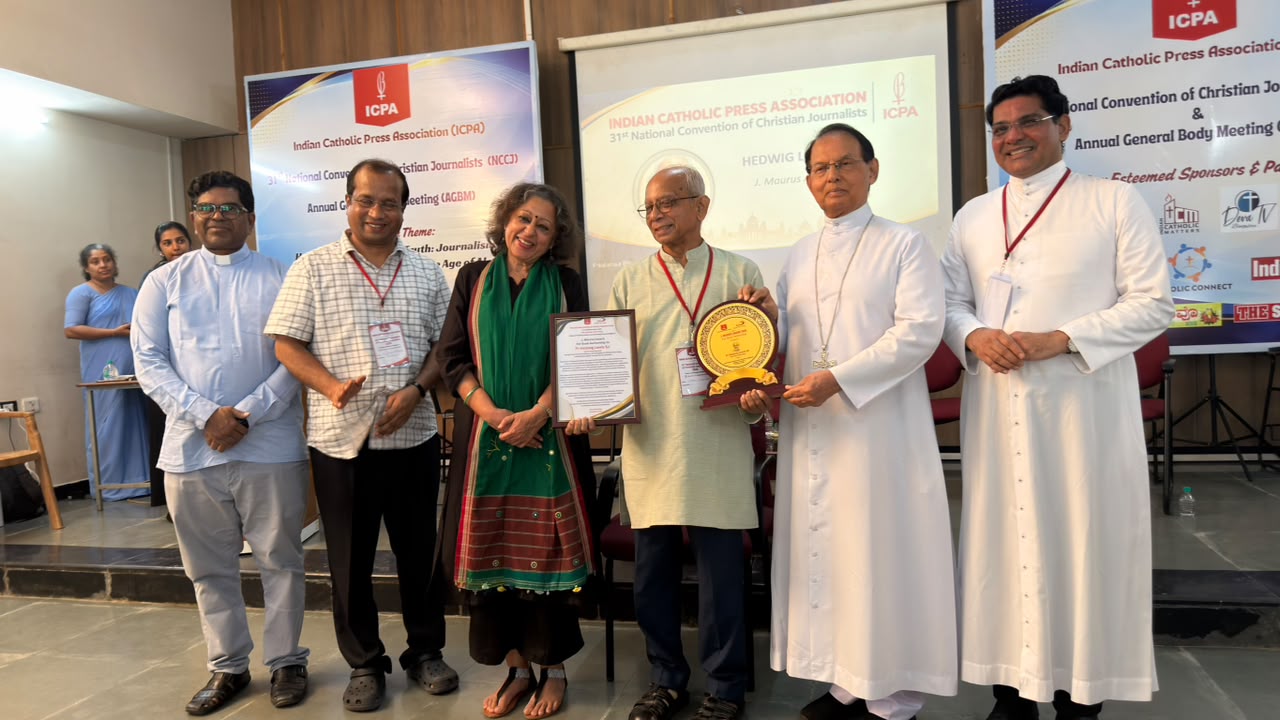 ICPA
ICPA
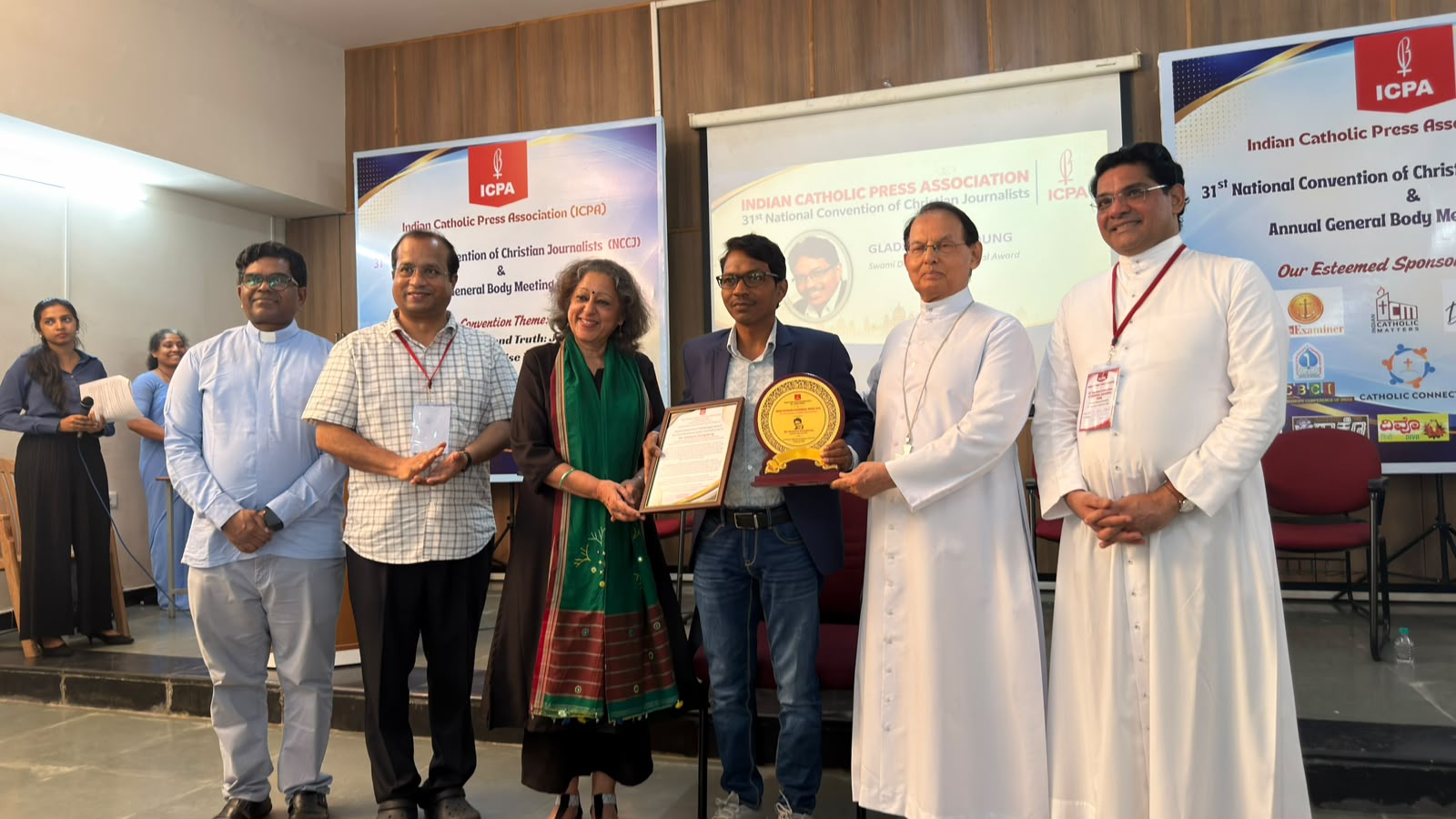 ICPA
ICPA
 ICPA
ICPA
.jpg)
 A. J. Philip
.jpg) Jacob Peenikaparambil
Jacob Peenikaparambil
.jpg)
.png) John Dayal
John Dayal