 Robert Clements
.png)
Many of us grew up hearing a sentence repeated by parents, teachers, coaches and even old uncles sitting with cups of tea after a cricket match. "Learn to lose gracefully." We were told that being a good loser was as important as being a good winner. Shake hands. Smile. Accept defeat. Move on.
But as I watch leaders like Mamata Banerjee and MK Stalin reacting angrily after political defeats and decisions they believe are unfair, I do not see mere bad sportsmanship. I see something else. I see the anger that comes when people feel they have not lost fairly.
There is a huge difference.
A man who loses honestly may be disappointed, but somewhere deep within, he accepts the verdict. But a man who feels cheated carries a different kind of fire inside him. It burns longer. It burns harder. And it refuses to go away because the issue is no longer defeat; the issue becomes injustice.
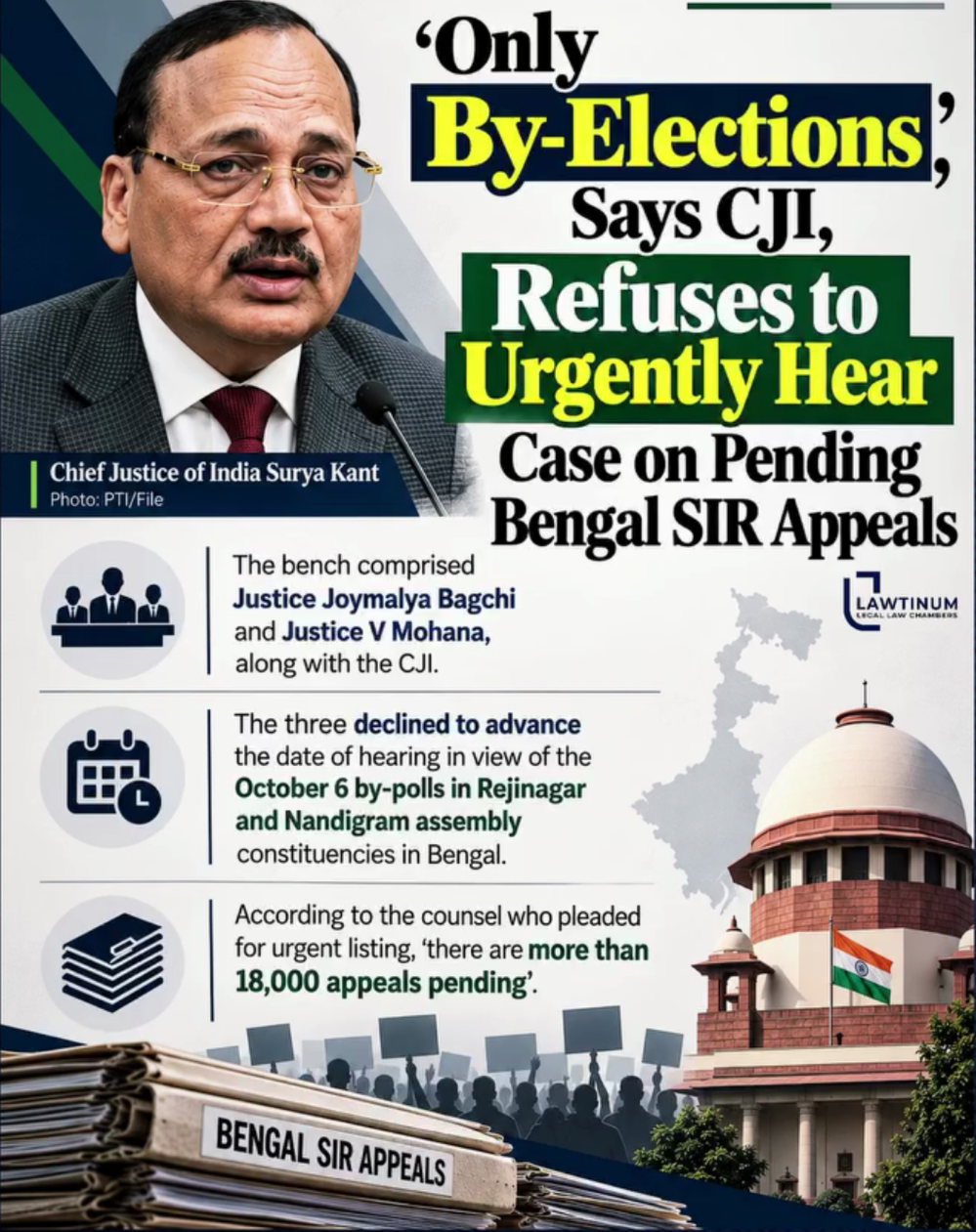
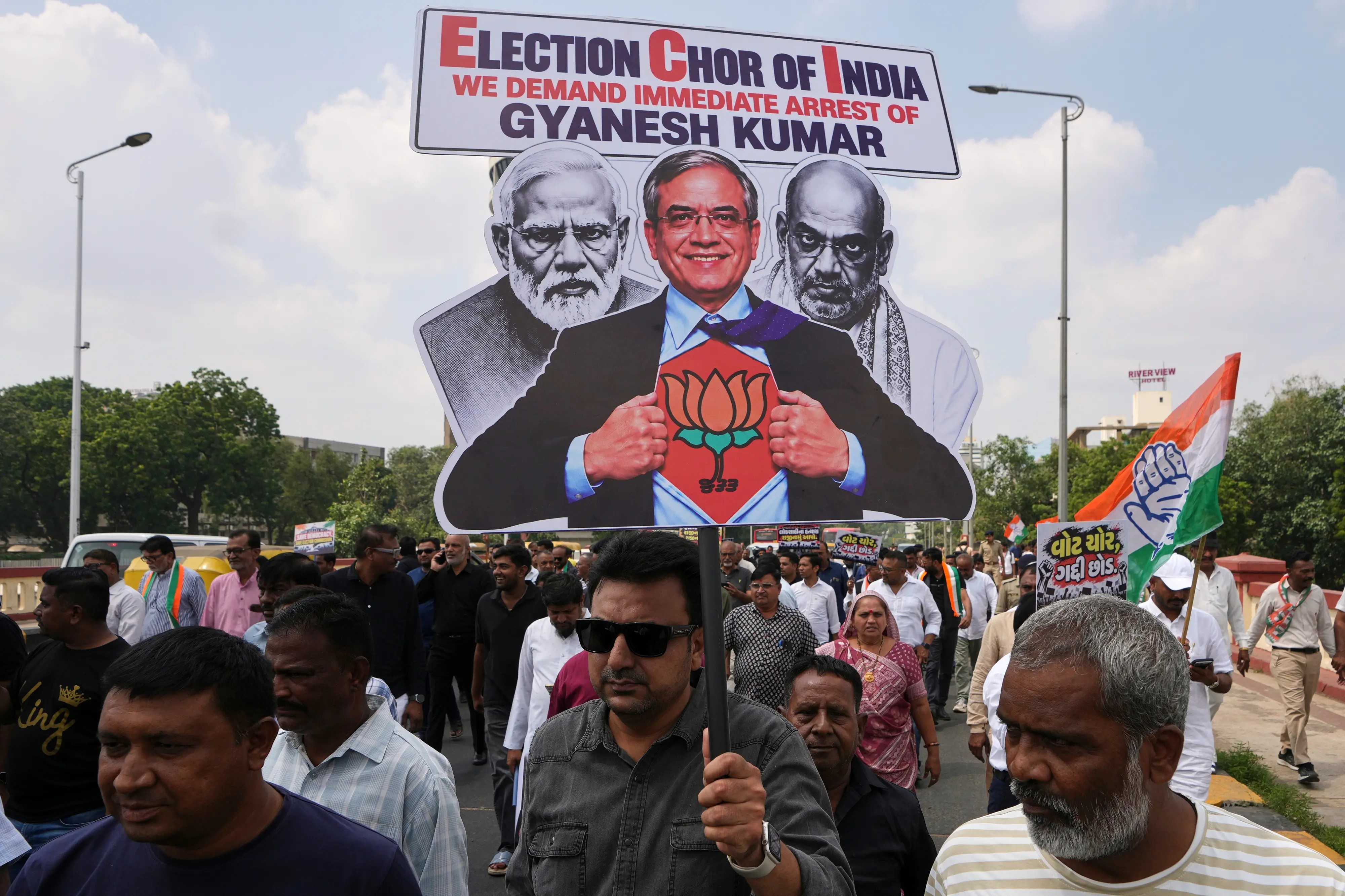
Today, accusations fly thick and fast against institutions that were once considered untouchable. Questions are raised about the Election Commission, about government agencies, about the courts, and about whether democracy itself is being tilted in favour of one side. Whether these accusations are fully true or partly true is for history to judge. But what cannot be ignored is that large sections of the country believe something is wrong.
And when people stop trusting institutions, the damage is frightening.
Because no winner should ever want citizens whispering, "You did not win fairly." That is not a victory garland. That is a shadow hanging around the neck of power.
Yet what is worrying is not merely the accusation, but the silence that follows. Instead of addressing concerns openly and convincingly, those in power often seem to simply march ahead as though criticism itself is irrelevant. There is a dangerous thick-skinnedness growing in politics today. A belief that numbers alone create truth.
But history has never been kind to rulers who stopped listening.
Every empire that collapsed first lost the ability to hear uncomfortable voices. Every powerful leader who fell first began believing criticism did not matter.
And so when opposition leaders sound angry today, perhaps it is simplistic to dismiss them as sore losers. Perhaps they are expressing what many citizens quietly feel. That somewhere, something precious in democracy is slipping away.
Because finally, the people who may have been cheated are not politicians.
It is us.
Our democracy does not belong to political parties. It belongs to us. And if this feeling of helplessness keeps growing, you will eventually find good candidates unwilling to contest, because they know there is no use. And then it is we who will witness the collapse of democracy itself, as a one-party system quietly takes over!
So don't laugh at Didi, support her...
 Cedric Prakash
.JPG)
 A. J. Philip
 Jacob Peenikaparambil
.jpg)
 John Dayal
.jpg)
 Pachu Menon
.png)
.png) Robert Clements