

.png) Jacob Peenikaparambil
Jacob Peenikaparambil
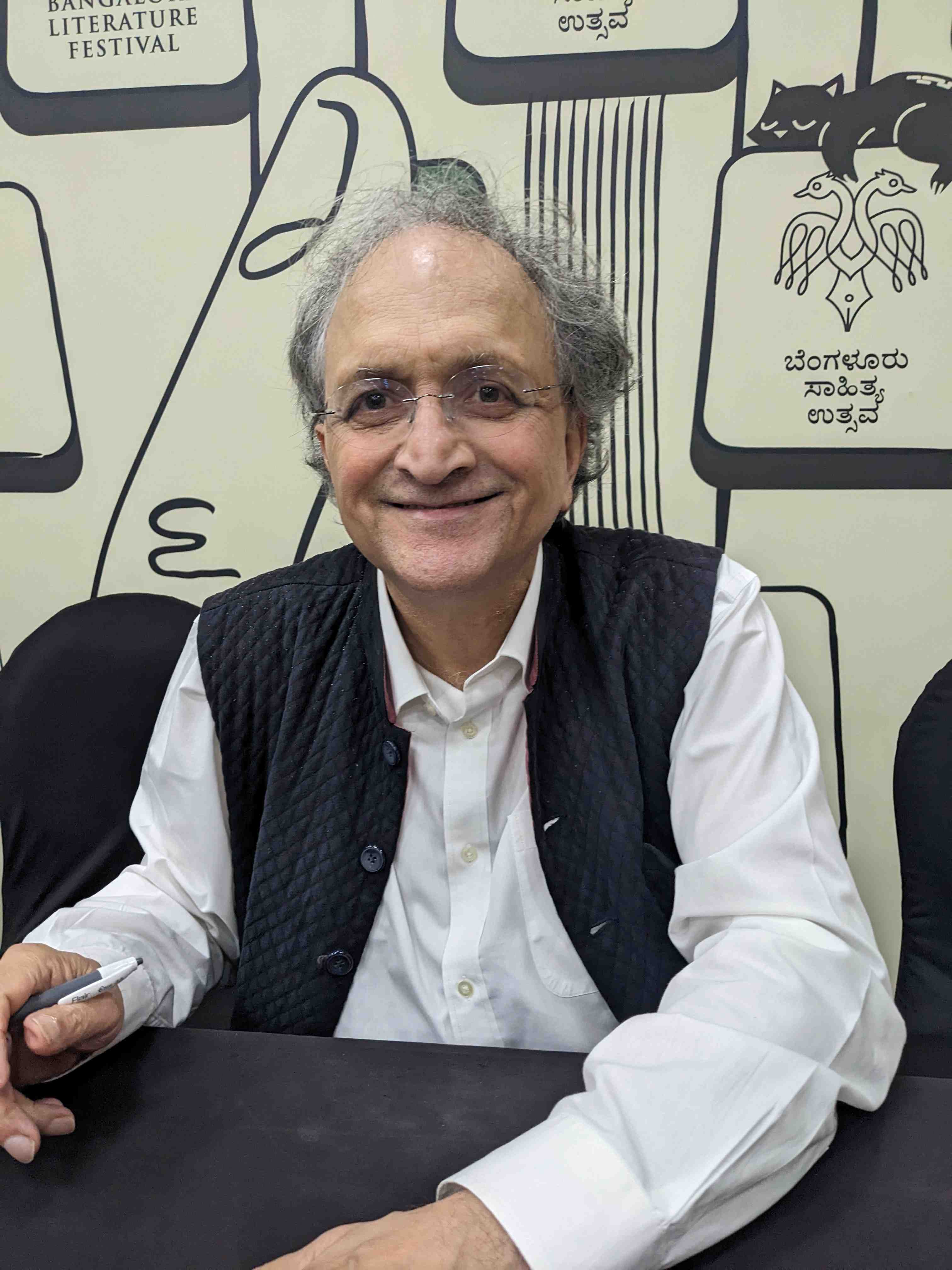
The Modi regime has been described by critics—including academics, international watchdogs, journalists, and political opponents—as electoral autocratic, dictatorial, majoritarian, and even theocratic. In an article published in The Telegraph on February 8, 2026, historian Ramachandra Guha characterised the regime as majoritarian, a claim reflected in the title of his piece, "The Perils of Majoritarianism for India: A Hindu Pakistan."
Highlighting various trends, policies, and actions of the Bharatiya Janata Party (BJP) government over the past eleven years, Guha argues that India is increasingly becoming a "Hindu Pakistan." His examples include the absence of any Muslim representation in the Union Cabinet and among BJP Members of Parliament in both the Lok Sabha and the Rajya Sabha; the alarming rise in hate speech against Muslims by BJP leaders, including the Union Home Minister and several Chief Ministers; the passage of the highly controversial Citizenship Amendment Act (CAA); the Prime Minister assuming the role of a Hindu priest during the consecration of the Ram Temple in Ayodhya; and what Guha describes as an "assertion of a nakedly majoritarian agenda."
"In politics and in law, in symbol and in substance, in word and deed, India is therefore becoming ever more like Pakistan—except here it is Hindus, and not Muslims, who rule over fellow citizens of other faiths," Guha writes.
The conduct of the winter session of Parliament provides further evidence of the erosion of democratic norms by those entrusted with upholding them. The opposition, led by the Congress, has accused the government of attempting to "gag" dissent—particularly by denying the Leader of the Opposition the opportunity to speak on critical issues such as the India–China border dispute and the Indo–US trade deal.
When Rahul Gandhi attempted to quote from an article based on former Army Chief General MM Naravane's unpublished memoir to question the government on the China border issue, the Speaker, citing Rules 349, 352, and 353, disallowed him. In contrast, BJP MP Nishikant Dubey was permitted to speak in a vulgar and obscene manner about former Prime Ministers by quoting from several books containing highly controversial material. The Congress leader Priyanka Gandhi Vadra alleged a clear double standard, arguing that while Dubey was allowed to use books to attack the opposition, Gandhi was denied the same privilege when questioning the government.
The decisions of the current Lok Sabha Speaker often give the impression of partisanship. The opposition has also questioned the suspension of eight opposition MPs for the remainder of the session. Parliament has witnessed repeated disruptions, adjournments, and even full-day washouts. In early February 2026, reports indicated that more than 19 hours of parliamentary time were lost due to such disruptions.
For the first time since 2004, the Motion of Thanks on the President's Address was passed in the Lok Sabha without a speech from the Prime Minister, following opposition protests and a reported security or decorum concern. The opposition questioned the Speaker's advice to the Prime Minister not to attend the Lok Sabha on security grounds, asking pointedly whether the Prime Minister could be secure outside Parliament if he could not be secure within it. The Prime Minister, however, did address the Rajya Sabha.
Discussion and debate in Parliament on issues affecting the nation are essential to democracy. The government is accountable to the people and must respond to questions and criticism from the opposition. However, it often appears to evade this responsibility, which, critics argue, is a primary reason for repeated parliamentary disruptions.
Observers have frequently noted that Prime Minister Modi tends to appear in Parliament mainly for major speeches—particularly during the Motion of Thanks or in the Rajya Sabha—while remaining largely absent during general debates. Analyses by opposition MPs, such as Derek O'Brien, have highlighted low attendance in both Houses, including absences during significant discussions on issues such as the Rafale deal and the passage of major legislation.
Critics argue that the Prime Minister prefers one-way communication—through platforms such as Mann Ki Baat or election rallies—over the two-way, often confrontational accountability inherent in parliamentary debate.
Numerous indicators suggest that India under Prime Minister Narendra Modi is increasingly becoming absolutely majoritarian, theocratic, and authoritarian. The Sweden-based V-Dem Institute has classified India as an "electoral autocracy" since 2018, arguing that while elections continue to be held, they are conducted on an uneven playing field, marked by pressure on opposition parties and restrictions on civil society. The 2025 V-Dem report confirms that India remains an electoral autocracy and has continued to decline in the Liberal Democracy Index, ranking 100th out of 179 countries.
The manner in which the Election Commission is conducting the Special Intensive Revision (SIR) of electoral rolls has raised serious concerns about the mass deletion of voters' names. Media reports indicate that approximately 6.5 crore names have been removed during the ongoing SIR process across nine States and three Union Territories.
Nobel laureate Amartya Sen has expressed deep concern about the SIR process in West Bengal, warning that it is being carried out with "undue haste" and could undermine democratic participation, especially as State Assembly elections approach.
Opposition parties have questioned the Election Commission's intent, accusing it of failing to adequately address their complaints. They have alleged that it functions as an extension of the ruling party.
Free and fair elections are the foundation of democracy, and the right to vote is constitutionally guaranteed under Article 326. Large-scale deletion of names from electoral rolls is therefore deeply troubling.
Several policies of the BJP government—including the Citizenship Amendment Act, the revocation of Article 370 in Jammu and Kashmir, anti-conversion laws, so-called "love jihad" laws, and the push for a Uniform Civil Code—are seen as targeting religious minorities, particularly Muslims, in pursuit of a "Hindu Rashtra."
The infiltration of Hindutva ideology into educational, cultural, and judicial institutions further undermines India's secular character. The National Council of Educational Research and Training (NCERT) has been criticised for the "saffronisation" of education, including the removal of references to the Mughals, the dilution of content related to the 1992 Babri Masjid demolition—replacing it with the phrase "three-domed structure"—and the deletion of references to the 2002 Gujarat communal violence.
In several states, textbooks have been rewritten to glorify a mythical past, omit discussions of the caste system, and portray secular leaders such as Jawaharlal Nehru negatively, while elevating figures framed as Hindu warriors, including Shivaji.
The National Education Policy (NEP) 2020 has also drawn criticism for prioritising ancient Indian knowledge systems over modern, secular, or global perspectives, with critics arguing that it seeks to inculcate a form of "Hindu pride" aligned with Hindutva ideology.
The increasing fusion of state affairs with Hindu religious symbolism—most notably the Prime Minister's consecration of the Ram Mandir in Ayodhya and the performance of Hindu rituals during the inauguration of the new Parliament building—signals a shift toward a theocratic model of governance, in violation of the constitutional principle of secularism.
Political observers also point to the centralisation of power in the Prime Minister's Office, the alleged misuse of investigative agencies such as the Enforcement Directorate (ED) and the Central Bureau of Investigation (CBI) against political opponents, and the use of laws such as the UAPA and sedition provisions to silence activists, journalists, and dissenters as clear signs of authoritarianism.
Another hallmark of authoritarianism is the erosion of institutional independence. According to opposition parties and independent observers, institutions such as the judiciary, the Election Commission, and large sections of the media have increasingly been compromised or pressured to align with the ruling BJP's agenda.
An analysis of India's socio-political developments over the past 11 years suggests that the country is drifting toward a Hindu-majoritarian state marked by growing authoritarian tendencies and electoral autocracy.
Proponents of Hindutva ideology—most notably VD Savarkar and MS Golwalkar—openly advocated the establishment of a Hindu Rashtra. Their vision of governance, grounded in cultural nationalism, seeks to reshape India into a state where political, social, and cultural life is aligned with Hindu values. This vision stands in sharp contrast to the constitutional vision of India, as articulated in the Preamble, which enshrines secularism, pluralism, and equality.
.jpg)
.png) Cedric Prakash
Cedric Prakash
 ICPA
ICPA
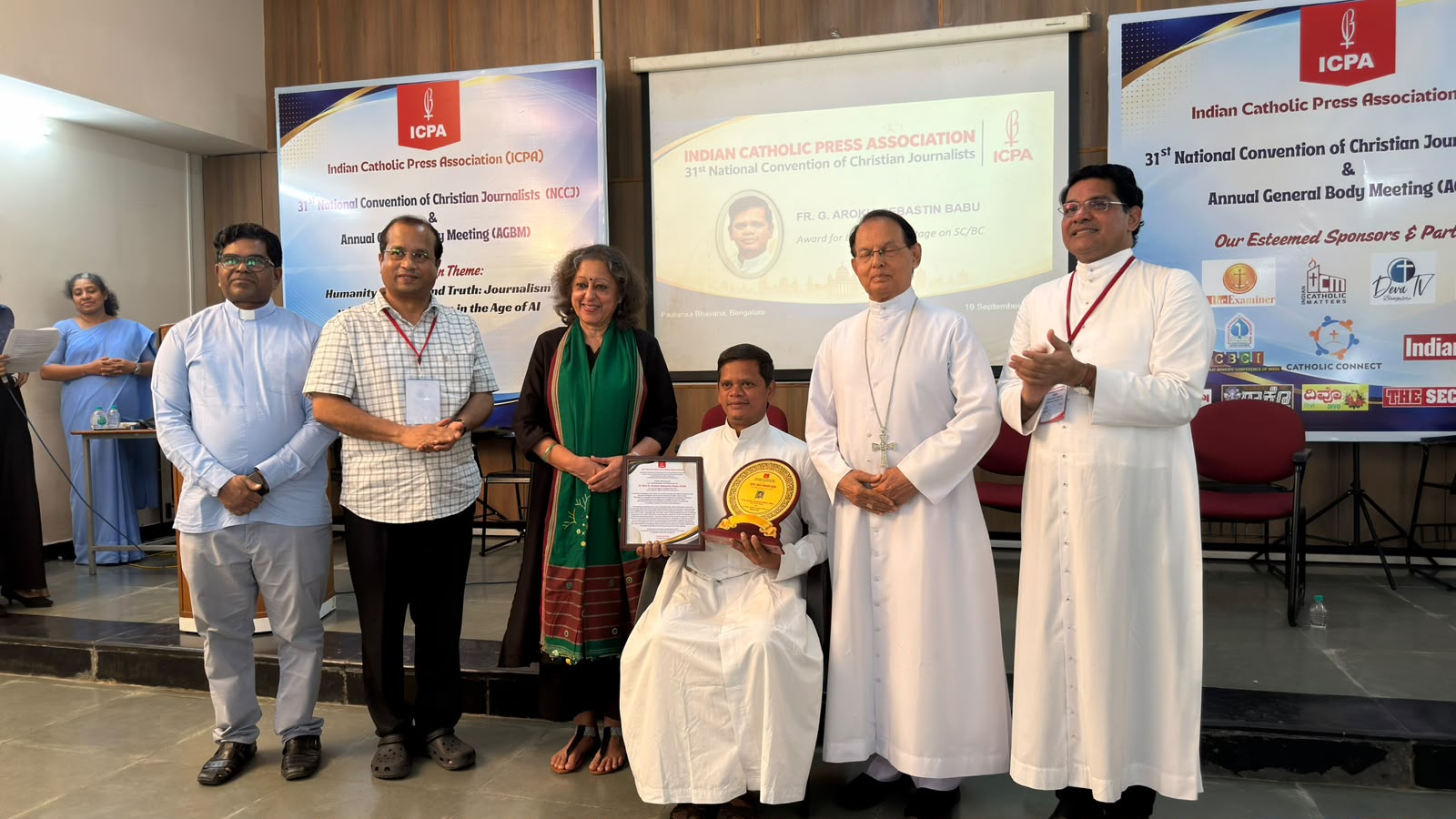 ICPA
ICPA
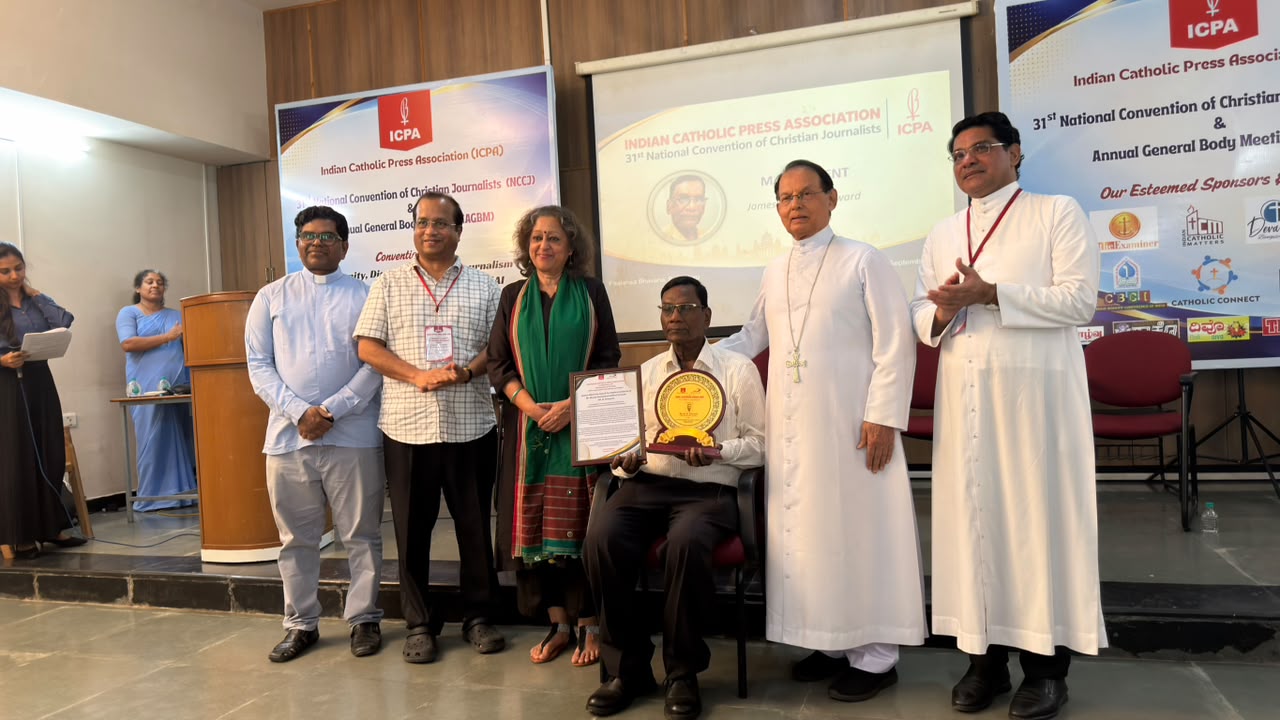 ICPA
ICPA
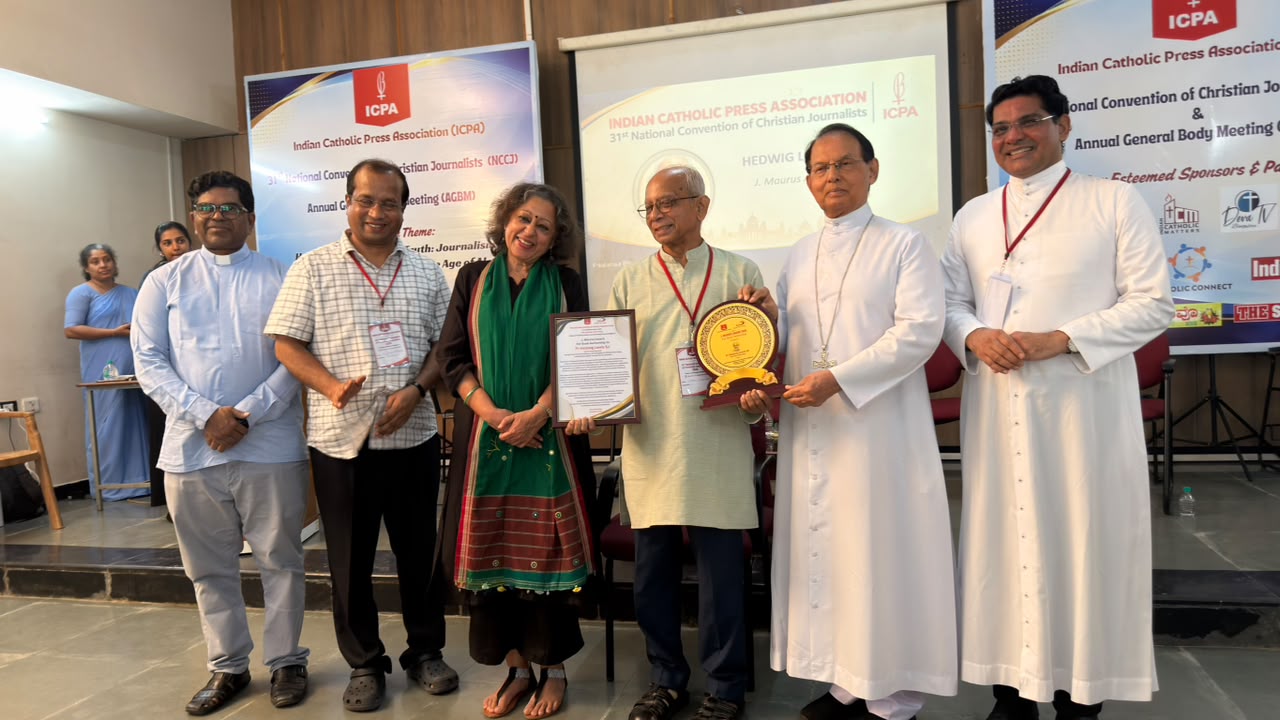 ICPA
ICPA
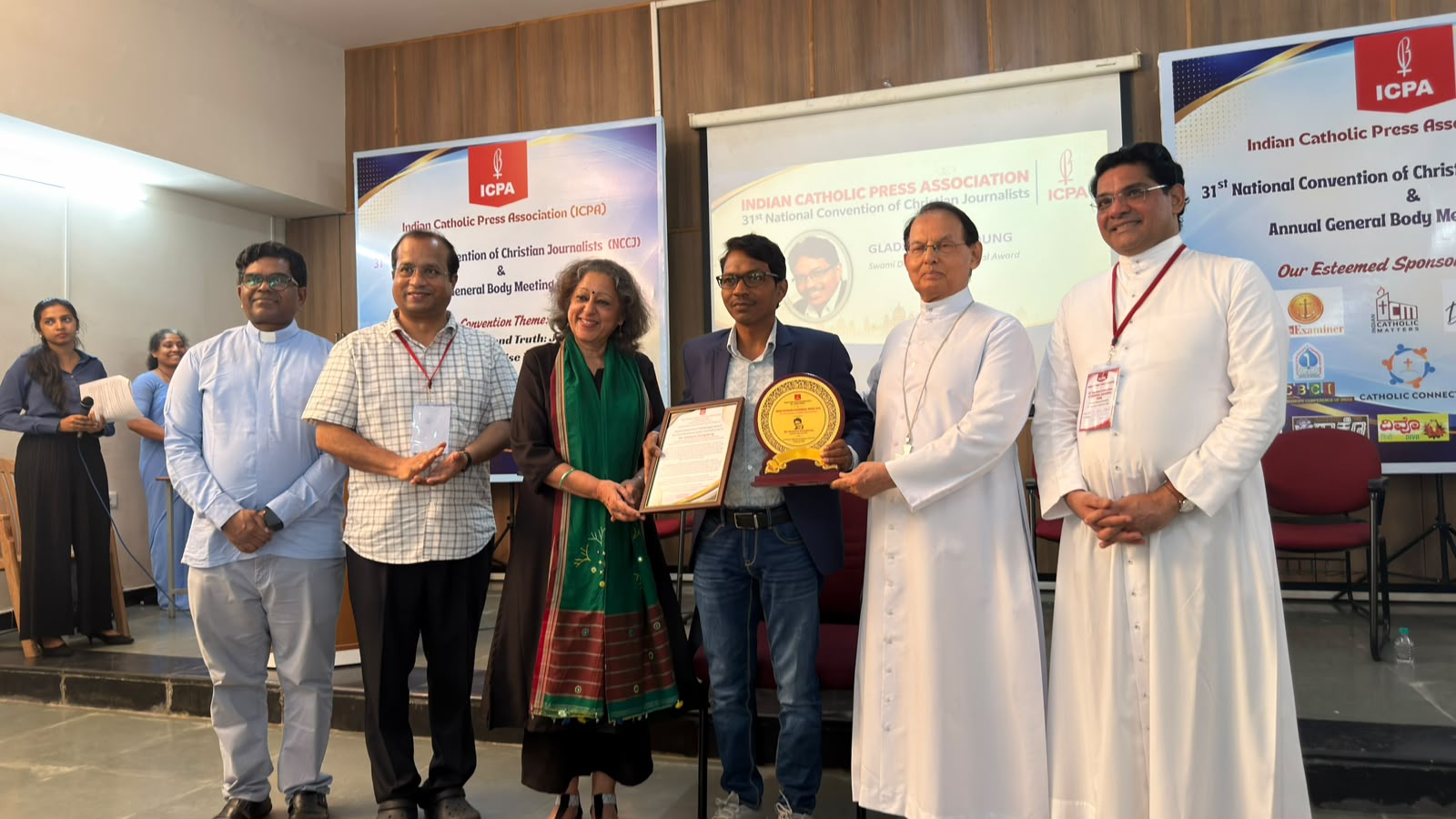 ICPA
ICPA
 ICPA
ICPA
.jpg)
 A. J. Philip
.jpg) Jacob Peenikaparambil
Jacob Peenikaparambil
.jpg)
.png) John Dayal
John Dayal