

.jpg) Elsa Lycias Joel
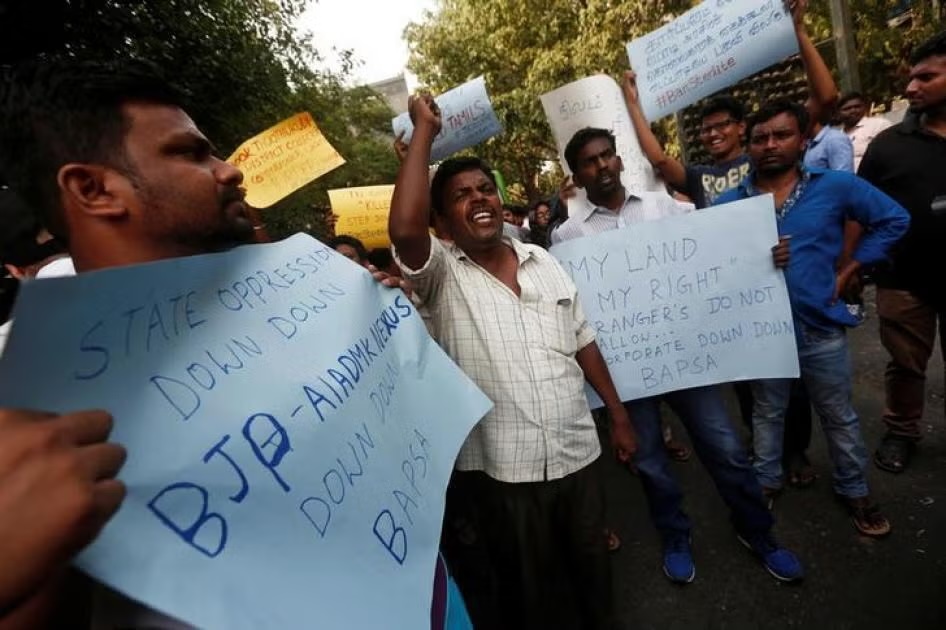
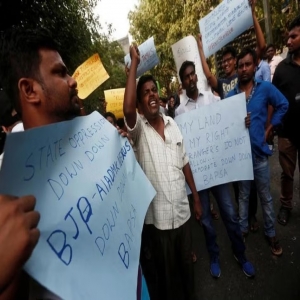
Protest peacefully, and we may be shot. Demand accountability, and we may be asked to wait for years. Lose a life, and the family may have to navigate a system that seems to have an extraordinary capacity for delay.
Protestors continue to be brutalised. A system that has witnessed custodial rape, torture, deaths in custody and the shooting of unarmed citizens repeatedly fails to deliver timely and meaningful accountability. Perpetrators escape punishment, investigations drag on, and public outrage fades with time. Impunity does not merely deny justice to past victims; it places future victims at risk. Until accountability is swift, independent, and consequential, the uniform will continue to command fear where it should command public trust.
Detaining students for participating in protests is one thing. Abusing, manhandling and inflicting handicaps on them in police basements is another. The former raises questions about civil liberties and the latter exposes the terrifying potential of unchecked state power. Do we need more proof of how far those entrusted with upholding the law can stray from their constitutional duties? The way young women are dragged, shoved and punched cannot be dismissed as excessive force or routine policing.
Men in khakhi brazenly grope female protestors. I think this occurs because custodial rape is treated as just another news story. After the Mathura rape case in 1972, which other custodial rape case sparked protests that spread like wildfire across the country? These are not new concerns. Allegations of deliberate violations of bodily integrity by law enforcement have surfaced repeatedly over the years. The disturbing videos circulated during the previous and recent protests brought to my mind the custodial torture and sexual assault inflicted on P. Jayaraj and his son, J. Bennix, at the Sathankulam police station in Tamil Nadu in 2020, which led to their deaths.
An officer who uses a lathi to inflict harm on a person's intimate parts must face criminal prosecution and dismissal from service, as warranted by the evidence and law. A lathi is not an instrument of sexual violence. The consequences must send an unequivocal message that a uniform offers neither immunity nor permission for any kind of abuse in custody.
Independent investigations, preservation of video evidence and protection for victims and witnesses must be non-negotiable. Those who enable or cover up such misconduct must also be held accountable. A police station cannot become a chamber of punishment outside the law.
In 2018, thirteen unarmed protesters were killed in Thoothukudi for voicing out their right to breathe clean air and have access to safe water. "All this happened because of one industrialist," the Madras High Court observed, directing the Tamil Nadu DVAC to investigate the assets of officers accused in the firing. Years later, we have departmental actions, suspensions, investigations and judicial observations but no criminal accountability. Apparently, the right to demand clean air and safe water comes with its own risk assessment: how much is a life worth when it stands in the way of industrial interests?
The system needs a reminder that human lives are not expendable collateral in the pursuit of industrial growth. Whether they are protesters fighting for a cause or ordinary citizens simply asking for breathable air, safe water and a liveable environment, they are exercising rights, not requesting favours. And what is the point of a fundamental right to life if the right to defend that life can cost me my life itself? Economic growth cannot be a licence to poison the environment. Industrial development cannot come at the cost of human dignity. No amount of wealth, influence, or corporate power should put anyone above the law. Thirteen people were shot dead. Almost a decade later, too many questions remain alive.
During the CJP protests, I see men and women in uniform treating the public as their personal punching bags. Until those who have raped, tortured, killed people in custody, or gunned down citizens in public are finally brought to book, the police will continue to fail and fall short of their roles and responsibilities. Keep officers suspected of bad touch isolated or quarantined until they are deemed fit, both physically and mentally, to resume duty.
.jpg)
 Cedric Prakash
Elsa Lycias Joel
.jpg)
 A. J. Philip
 Jacob Peenikaparambil
.jpg)
 John Dayal
.jpg)
.jpg)
 Joseph Maliakan
.png)
 Robert Clements
.jpg) Cedric Prakash
 ICPA