

.png) Robert Clements
Robert Clements
.png)
Many years ago, sitting in a charming little café perched like a contented cat atop Malabar Hill, my wife and I made one of the wisest decisions of our lives. We decided to get married. The café, quite naturally, took full credit for this life-altering moment. Every year thereafter, we returned faithfully to the same spot, ordered the same food, and looked at each other as if we had just invented romance.
And now, the café is gone.
Obliterated with the efficiency of a bureaucrat stamping a file. In its place, a municipal structure has emerged.
So there I stood the other day, looking at a pile of rubble, trying to remember where exactly I had proposed. Was it near that broken brick or slightly to the left of that cement heap? Romance does not survive well under excavation.
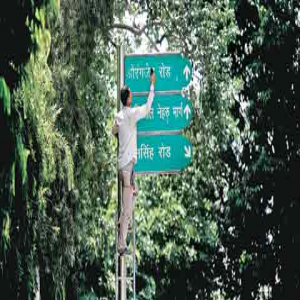
This, I am discovering, is happening everywhere. Roads are renamed, cities are rechristened, buildings are redesigned, and history is politely told to vacate the premises. We are living in a time when memories need planning permission.
What surprises me most is the confidence with which people in authority behave. There is a certain swagger in the way decisions are made, as if the city were handed to them by their great-grandfather, along with a set of keys and instructions saying, "Beta, do whatever you like."
But somebody needs to tell them that they are not owners. They are just custodians. The real owners are time, memory, and the millions of stories attached to every corner of a place.
Even my church, where I got married, has not been spared. The pulpit area was redesigned by a committee that clearly had no idea of aesthetics. The new look is completely unfamiliar.
Of course, history itself is not innocent. There are places where temples lie buried under mosques, and even under churches, each layer telling a story of power, conquest, or belief. It was wrong then, and it would be just as wrong to repeat that instinct today. If anything, history is asking us to pause, to learn, and to preserve, not to erase and rebuild as if memory were an inconvenience.
Because correcting the past by wiping it out completely is like solving a family argument by burning the photo album.
You may remove the evidence, but you also destroy the story.
Perhaps what we need is a small board outside every office of authority. A simple reminder. "You are here temporarily. Please do not disturb permanent memories."
Because in the end, we are not owners of anything. Not of cities, not of roads, not even of that little café where two people once decided to spend their lives together.
We are only custodians.
And history, quietly and patiently, is the real owner ...
.jpg)
.png) Cedric Prakash
Cedric Prakash
 ICPA
ICPA
 ICPA
ICPA
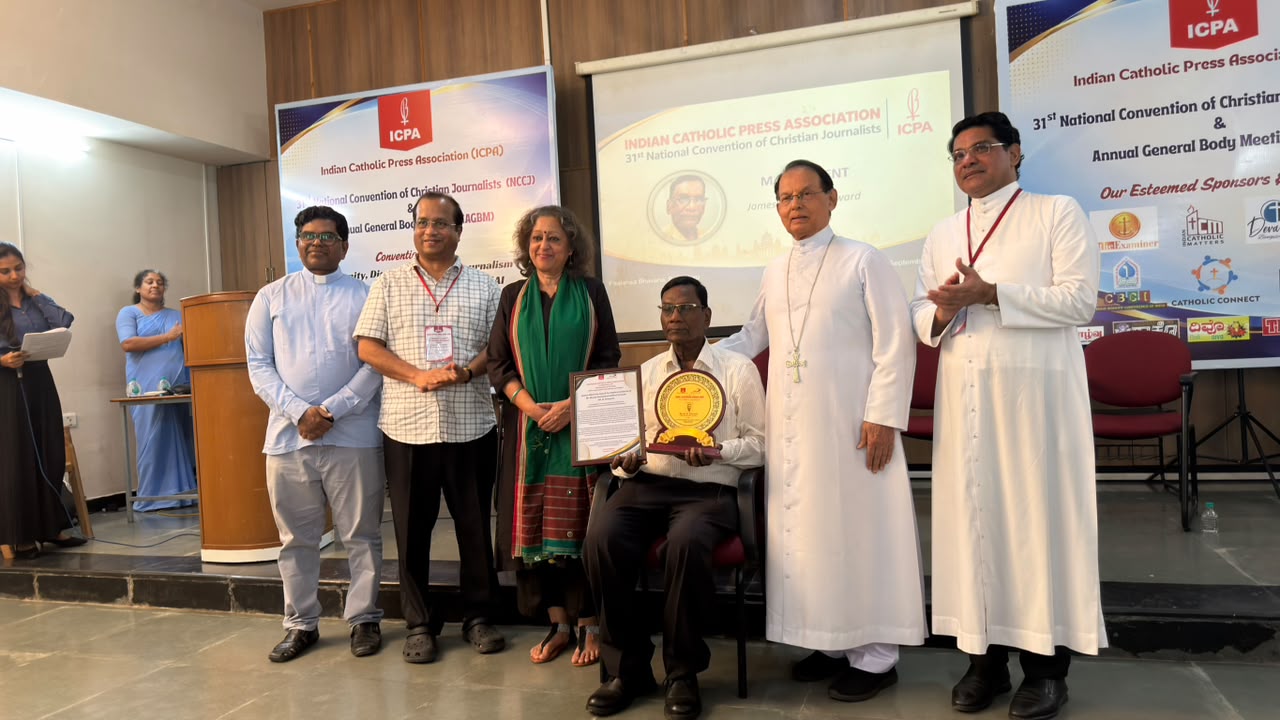 ICPA
ICPA
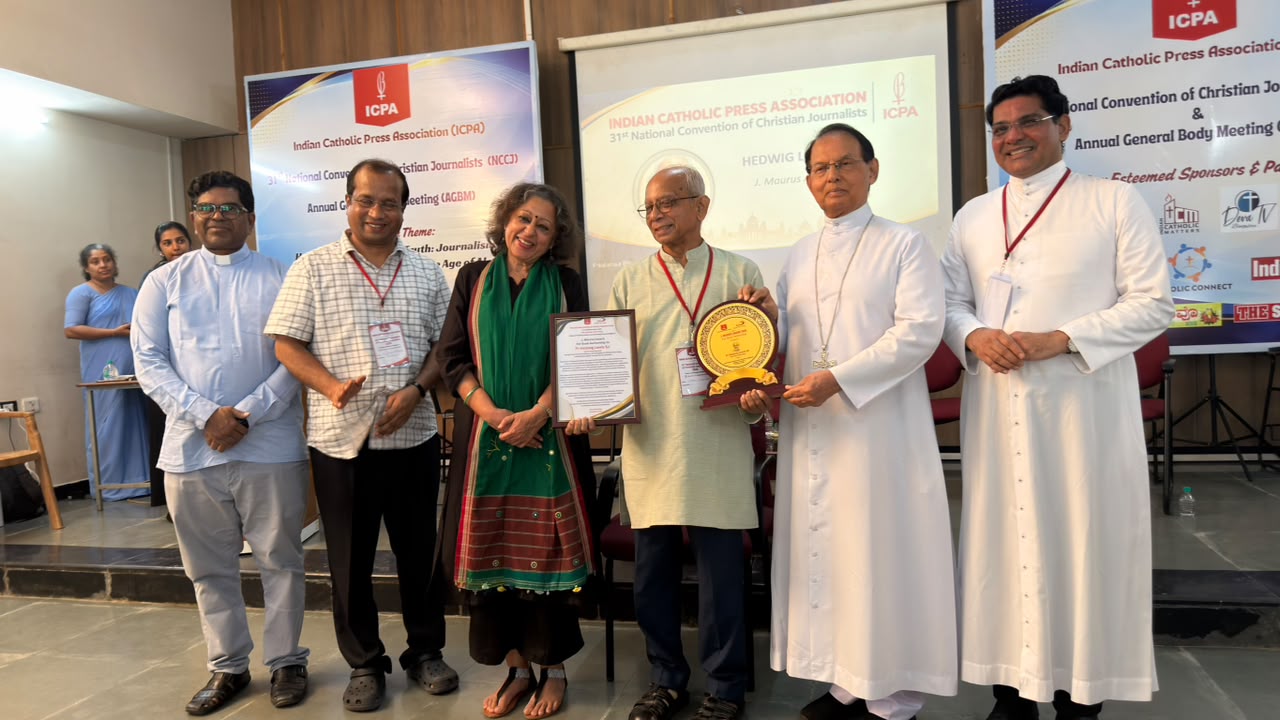 ICPA
ICPA
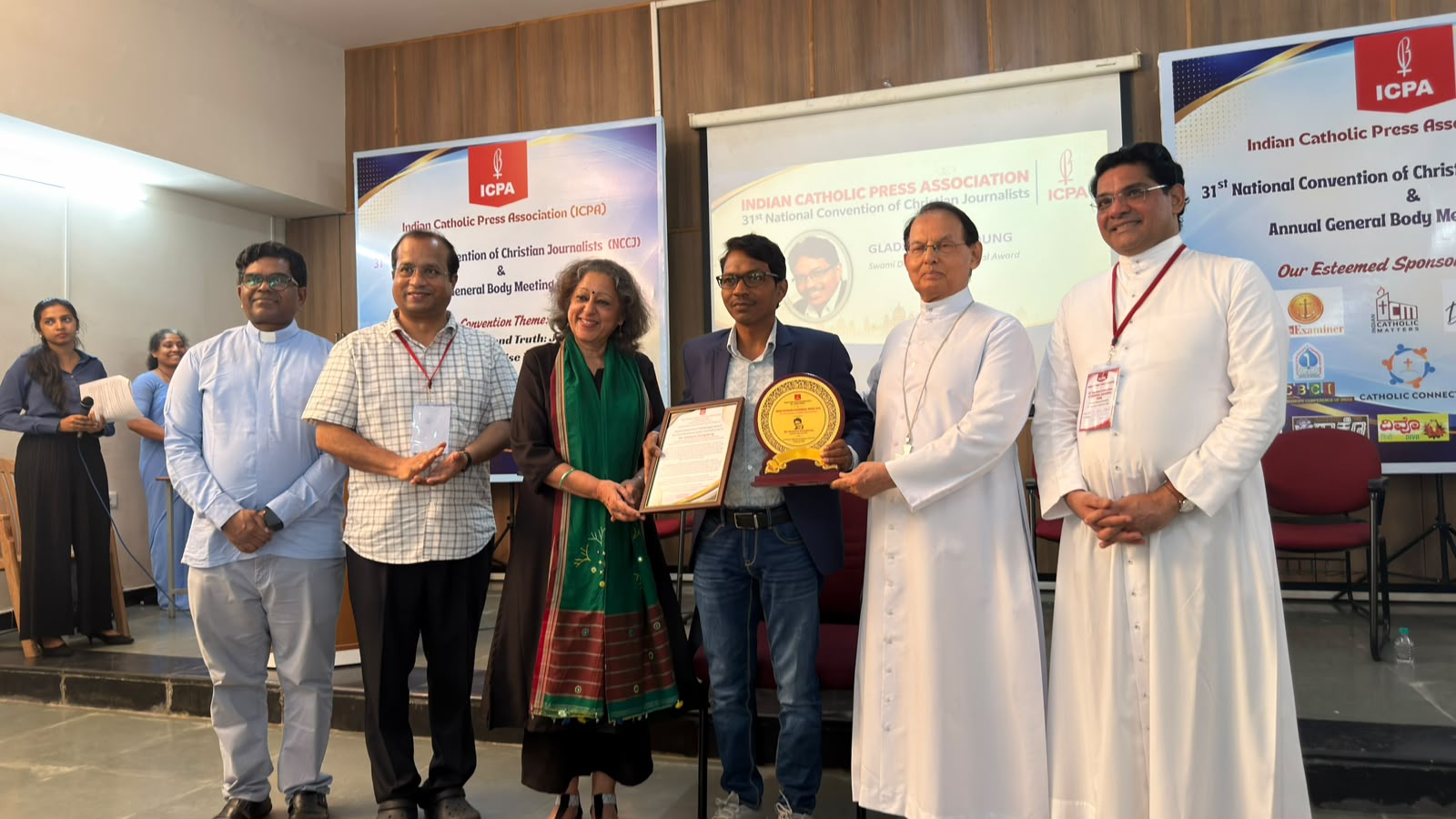 ICPA
ICPA
 ICPA
ICPA
.jpg)
 A. J. Philip
.jpg)
.png) Jacob Peenikaparambil
Jacob Peenikaparambil
.jpg)
.png) John Dayal
John Dayal