

.png) Jacob Peenikaparambil
Jacob Peenikaparambil
During the Bharat Jodo Yatra, Rahul Gandhi gave the slogan, "Open shops of love in the market of hatred." The phrase resonated deeply with those committed to India's constitutional values, particularly fraternity. Its moral appeal was reflected, to some extent, in the outcome of the 2024 Lok Sabha elections. It is heartening to observe that recently, ordinary citizens in different parts of India have come forward to resist and protest against acts of hatred and discrimination against Muslims.
Since the BJP came to power in 2014 under the leadership of Narendra Modi, there has been a steady escalation of hate speech targeting minorities, especially Muslims. This rhetoric has contributed to growing discrimination and, at times, violence. Many citizens hoped that after the BJP failed to secure an absolute majority in the 2024 Lok Sabha elections, the pace and intensity of divisive rhetoric would decline. Those expectations, however, proved unrealistic.
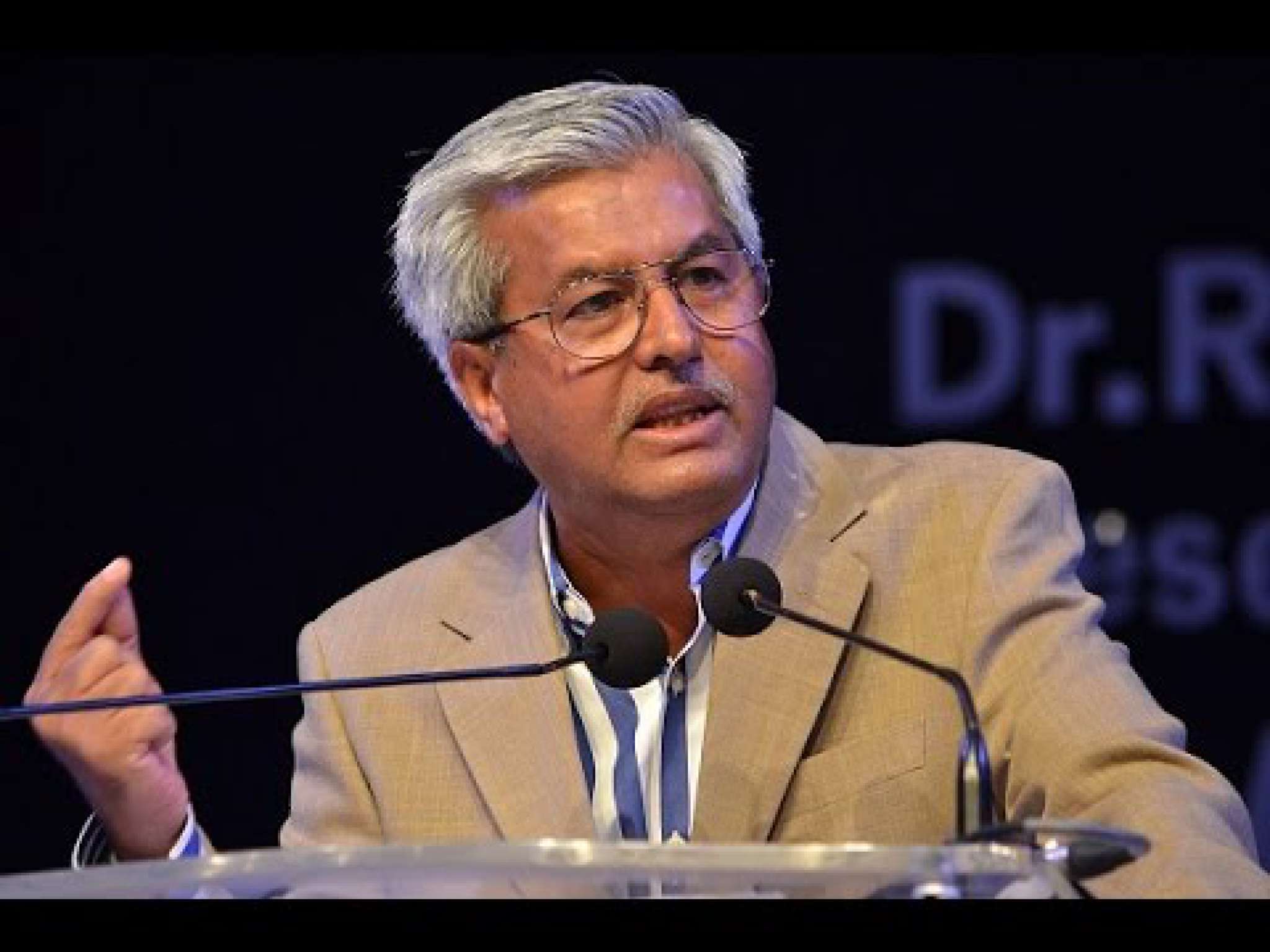
Instead, hate speech has been intensified by BJP leaders and amplified by sections of social media. The recent speeches of Himanta Biswa Sarma, Chief Minister of Assam, have drawn sharp criticism. Senior advocate Dushyant Dave and journalist Karan Thapar argued that these speeches violated constitutional guarantees, including Article 14 and 15 (equality and non-discrimination), Article 21 (right to life and dignity), and the broader principle of constitutional morality embedded in the oath of office.
A bench of the Supreme Court, headed by Surya Kant, declined to directly entertain petitions seeking a Special Investigation Team (SIT) probe against Sarma, directing petitioners instead to the Gauhati High Court. In an interview on The Wire, Dave described the Court's refusal as a "Himalayan blunder" and a disappointment for the nation. Citing Article 32 and precedents such as Romesh Thapar, he argued that the Supreme Court has a constitutional duty to intervene when fundamental rights are at risk. He warned that judicial inaction in the face of rising communal polarisation undermines the Constitution and disappoints 1.4 billion citizens.
If both the executive and, at times, the judiciary appear hesitant to curb hate speech decisively, responsibility increasingly falls upon civil society. Encouragingly, individuals and communities across India have begun to resist hatred with courage and solidarity. Early 2026 reports indicate that across states like Uttarakhand, Rajasthan, West Bengal, Telangana, and Kerala, ordinary citizens—including gym owners, park visitors, and neighbourhood residents—have increasingly stepped forward to challenge communal rhetoric and defend targeted Muslim individuals.
One notable example is Deepak Kumar of Kotdwar, Uttarakhand. On January 26, 2026, he defended an elderly Muslim shopkeeper who was being harassed by members of the Bajrang Dal and pressured to change the name of his shop. Identifying himself symbolically as "Mohammad Deepak," Kumar faced threats, social boycott, and even legal harassment. Attendance at his gym reportedly fell from 150 members to just 12. Yet he remained steadfast in his commitment to secularism and fraternity.
His courage inspired solidarity. Fifteen senior advocates of the Supreme Court purchased one-year gym memberships—each contributing ?10,000—to help him meet his monthly rent. They also offered pro bono legal assistance. John Brittas, CPI(M) Rajya Sabha MP, visited Kumar to express support and similarly enrolled as a member.
Such acts are not isolated. Across India, ordinary citizens—particularly from the Hindu majority—have increasingly stepped forward to confront hate and defend those targeted. What connects these seemingly disparate events is a growing refusal to allow intimidation to masquerade as cultural guardianship.
On Valentine's Day in Jaipur, visitors at a public park challenged members of the Bajrang Dal who were harassing couples. A widely circulated video showed citizens demanding identification from the vigilantes and defending the young people's right to gather peacefully.
In South 24 Parganas, West Bengal, three Muslim meat traders were brutally assaulted after being labelled "Bangladeshi" during a dispute laced with communal slurs. While the victims suffered severe physical and psychological trauma, local residents from the majority community publicly condemned the attack and organised protests in solidarity. Reports highlighted this as a powerful counter-narrative to the prevailing climate of fear.
During Telangana's Medaram Jatara festival, a Muslim street vendor, Shaik Shaiksha Vali from Kurnool, was harassed by YouTubers accusing him of conducting "food jihad." Though he had vended peacefully for over a decade, the incident was sensationalised online. Yet public reaction disrupted that narrative. Long-time customers and local residents rallied in his support; videos showed people deliberately purchasing his food in solidarity, and financial assistance followed.
Another encouraging example of resistance to discrimination and hatred emerged from Kareda village in the Tonk district of Rajasthan. During a blanket distribution event for poor and needy women, former BJP Member of Parliament Sukhbeer Singh Jaunpuria allegedly refused to give blankets to three Muslim women present at the gathering. He reportedly stated that those who "abuse" Prime Minister Modi did not deserve to receive such benefits.
In response to this act of discrimination, several Hindu women returned the blankets they had received in solidarity. One of them reportedly said, "We can survive without these things, but we will not allow hatred to consume us. This is inhumane."
On February 22, 2026, authorities at Lucknow University reportedly closed the centuries-old Lal Baradari Mosque on campus without prior notice. In response, Hindu students from various student unions formed a human chain to enable Muslim students to offer namaz. The video went viral, with students describing their gesture as an affirmation of Ganga-Jamuni tehzeeb—India's syncretic culture. Through this act, they reminded authorities that universities must remain spaces free from discrimination based on caste, creed, or religion.
Other examples reinforce this emerging culture of solidarity. Civil society groups such as Citizens for Justice and Peace have actively documented hate speech and pursued legal remedies. Initiatives like India Love Project continue to celebrate interfaith and inter-caste relationships. In various towns, communities have celebrated festivals together, protected shared traditions, and resisted calls for economic boycotts of minority artisans.
In Chennai, a 40-year-old tradition continues: the Sufidar Temple (a Hindu institution) prepares and serves Iftar meals to Muslims during Ramadan, a practice sustained by Hindu and Muslim volunteers working together.
These acts represent a form of "resistance from within"—a moral awakening among ordinary citizens who refuse to surrender India's pluralistic ethos. They demonstrate that when even one individual stands up against injustice, others draw courage and strength from that example. These are living examples of "opening shops of love in the market of hatred."
The time has come for the majority community, in particular, to assert that India shall not descend into a republic defined by fear and division, but remain a nation anchored in constitutional morality, fraternity, and shared humanity.
.jpg)
.png) Cedric Prakash
Cedric Prakash
 ICPA
ICPA
 ICPA
ICPA
 ICPA
ICPA
 ICPA
ICPA
 ICPA
ICPA
 ICPA
ICPA
.jpg)
 A. J. Philip
.jpg) Jacob Peenikaparambil
Jacob Peenikaparambil
.jpg)
.png) John Dayal
John Dayal