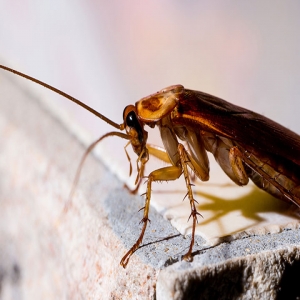


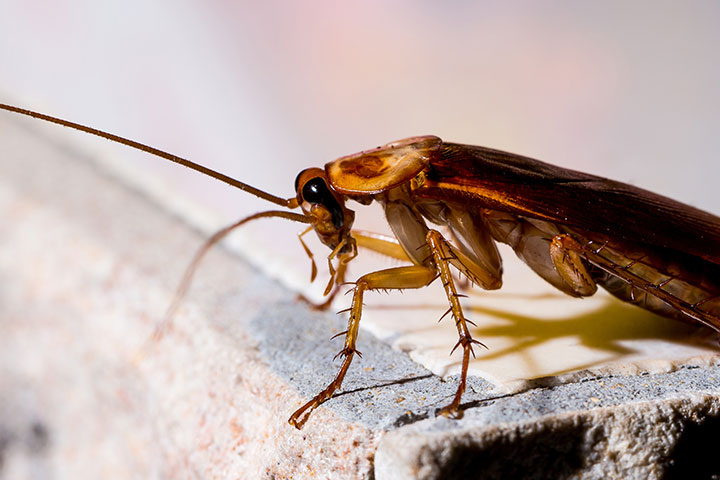
The cockroach, a nocturnal insect belonging to the order Blattodea, has inhabited the Earth for nearly 300 million years. Its remarkable resilience and adaptability have enabled it to survive dramatic environmental changes that wiped out countless other species. Although generally regarded as an unwelcome household pest—appearing mostly in kitchens and bathrooms under the cover of darkness—it has unexpectedly emerged as a powerful political metaphor in contemporary India.
In recent months, the humble cockroach has gained extraordinary public attention following a remark by Justice Surya Kant during judicial proceedings, in which certain individuals were compared to "cockroaches" while criticising the misuse of the judicial process. Whether intended literally or metaphorically, the ex
What might have remained an isolated courtroom comment soon evolved into a digital phenomenon. Abhijeet Dipke, an Indian residing in the United States, transformed the metaphor into satire by launching the Cockroach Janata Party (CJP). What began as an online ex
Cockroaches are often associated with disorder, compelling households to maintain cleanliness and discipline. Likewise, today's "cockroaches" seek to expose the disorder within public institutions. Their destination is not merely the streets of the capital but the conscience of the nation – Parliament House, where policies affecting millions are formulated. Their demand is neither chaos nor confrontation but transparency, accountability and systemic reform.
The emergence of this movement is not accidental. It reflects years of accumulated frustration over recurring examination paper leaks, delayed recruitment processes, inconsistent educational policies, rising unemployment and a growing disconnect between academic qualifications and meaningful employment. These grievances have steadily eroded the confidence of young people in institutions meant to secure their future.
Perhaps one of the most ironic features of the present situation is the deployment of India's armed forces to transport examination question papers in an effort to prevent leaks. The military exists to safeguard the nation against external threats. Yet the necessity of employing its services to secure public examinations exposes a deeper internal crisis; one rooted in institutional failures and declining public trust. Such circumstances naturally provoke demands for greater integrity, transparency and accountability in governance.
The symbolism of the cockroach extends beyond satire. Its greatest characteristic is resilience. It adapts, survives and endures despite seemingly insurmountable odds. In much the same way, this emerging youth movement must remain steadfast, constitutional and peaceful while confronting political, social and institutional challenges. Endurance, not violence, must be its greatest strength.
At its heart, this agitation represents the aspirations of a generation seeking dignity rather than privilege. The privileged ones, the creamy layer, make satirical comments on the common man and his plight. Throughout history, the voices of young people have often become catalysts for profound social transformation. With nearly one-fourth of India's population comprising youth, their collective aspirations possess the capacity not only to influence public discourse but also to shape the nation's democratic future through informed electoral participation and exercising electoral power.
Contrary to fears of unrest, the movement need not descend into anarchy. Like the cockroach itself, persistent but fundamentally harmless, it can become a force that compels society to restore order where disorder prevails. Its purpose should be to encourage institutions to function with greater fairness, to advocate for employment based on merit, to ensure an education system that truly prepares students for life, and to foster governance rooted in constitutional values rather than political expediency.
History demonstrates that awakened minds cannot be permanently silenced by coercive measures. Baton charges, arbitrary detentions or intimidation may suppress demonstrations temporarily, but they cannot extinguish a generation's longing for justice, equality, fairness, and opportunity. Sustainable peace is achieved not through force but through dialogue, responsiveness and institutional reform.
The "cockroaches" of today are, in reality, young citizens demanding to be heard. Whether one agrees with every slogan or strategy, their concerns deserve thoughtful engagement rather than dismissal. A confident democracy listens to its youth, addresses legitimate grievances and transforms dissent into constructive reform.
Perhaps the greatest lesson offered by this unlikely metaphor is that resilience, once awakened, cannot easily be crushed. Like the cockroach that has survived the passage of millions of years, hope too possesses an extraordinary capacity to endure. And when hope is accompanied by constitutional conviction, democratic participation and moral courage, it has the potential to transform not merely governments but the destiny of a nation.
.jpg)
.jpg)
.png) Jacob Peenikaparambil
Jacob Peenikaparambil

.png) John Dayal
John Dayal
.jpeg)
.png) Joseph Maliakan
Joseph Maliakan

.png) Dr Arnald Mahesh SDB
Dr Arnald Mahesh SDB

.jpg) Jose Vattakuzhy
Jose Vattakuzhy
.png)

.jpg) Isaac Gomes
Isaac Gomes
.png)
.png) Robert Clements
Robert Clements