

.png) John Dayal
John Dayal
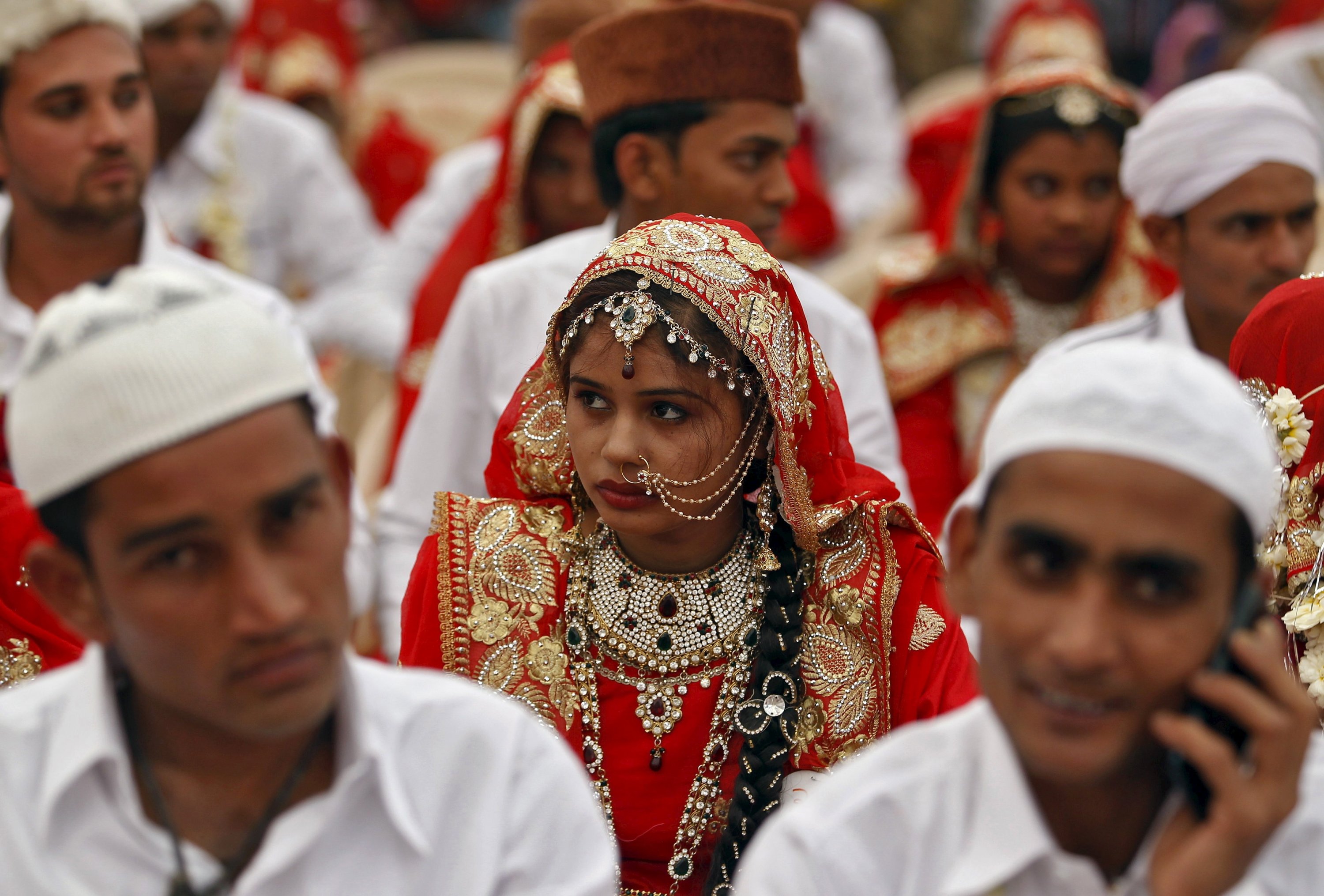
Senior readers may remember film heroes and heroines in the 1950s and 1960s telling their respective parents that they would have a "Court Marriage" if they were not permitted to wed in the pomp of a traditional ceremony.
Court marriage was a ceremony performed by a consenting couple before a designated magistrate under the Special Marriage Act, enacted by Parliament in 1954, to provide a legal framework for individuals to marry regardless of religion, caste, or faith. It enabled interfaith and intercaste couples to marry without converting, as it did not rely on personal religious laws.
All they had to prove was that the man was 21 and the young woman was at least 18, and that neither had a living spouse. They could be divorcees or widows - it just didn't matter as long as they, perhaps, loved each other and wanted to live together in a socially acceptable way.
The law provided a secular alternative to religious personal laws. Long before political parties had learnt to use the concept of a Common Civil Code, not to help, but to punish a particular community.
Fine-tuned by legal luminaries and bureaucrats, there was much red tape, of course. The couple had to attest that they were of sound mind, not first cousins, not prohibited, and so on. The government, being a government, required the couple to give notice to a Marriage Officer and wait 30 days for someone to file objections, if any. Only then could they sign the marriage register and be declared man and wife.
The law provided for divorce on grounds of cruelty, desertion, and adultery by either partner, an improvement of religious laws which were patriarchal and loaded against the woman.
All this was sought to be turned on its head by the Gujarat government, which recently promised amendments to the Gujarat Registration of Marriages Act, 2006, mandating parental consent for marriage registration among adults. The amendment is ostensibly aimed at protecting "the dignity of girls and Sanatan Dharma," from mainly Muslim men using "fraudulent conversions," an allegation made by the conservative Patidar community. A December 2025 memorandum by former members of the Patidar Anamat Andolan Samiti sought to curb court marriages and restrict the ages of witnesses.
Intercaste marriages have consistently faced hurdles from community "panchayats" and extended families. Interfaith marriages, often labelled derogatorily as "love jihad" by right-wing groups, fare worse, facing not just familial opposition but institutionalised hurdles. The one-month notice period exposes couples to vengeance from parents and relatives, and now the anti-conversion laws in 12 states are weaponised to criminalise such unions.
The Gujarat proposal, tabled on February 20, 2026, by Deputy Chief Minister Harsh Sanghavi, requires couples to submit notarised applications including parental details, Aadhaar cards, birth certificates, wedding invitations, and a declaration if parents have been informed.
Parents must provide similar documents, with registration delayed by 30 days after verification. Sanghavi justified this by alleging identity fraud, such as "Salim becoming Suresh to trap innocent girls," citing unverified cases in districts like Panchmahal.
This amendment breaches privacy, undermines civil liberties, and violates Article 21. Prof. Vibhuti Patil of Tata Institute of Social Sciences emphasises that interfaith and intercaste marriages are inevitable in diverse workspaces, yet the law grants parents veto power.
In Nand village, Kheda district, a gram sabha resolution already boycotts such couples, fining them up to ?2 lakh and barring them from community events. Pending the passing of the Bill, marriage registrations are on hold.
From a broader perspective, this reflects a wave of conservatism in Gujarat, once tolerant of "maitri karars" (friendship agreements) for cohabitation.
Media reports tell of singer Aarti Sangani facing a backlash for marrying tabla player Devang Gohel; Brahmin singer Kinjal Dave was ostracised for marrying a Jain; and Brahmin Yash Upadhyay was assaulted after his intercaste marriage to Piyu.
The All India Democratic Women's Association (AIDWA), the Marxist party's women's wing, condemned the Bill as a violation of adult autonomy. It disproportionately affects lower castes and minorities, with reports of honour killings rising.
A study by ANANDI India and Mahila Sangathan found 88% of "suicides" of OBC and Adivasi couples in Panchmahal and Dahod districts during 2018-2021 involved suspicious wounds on their bodies. Activist Neeta Hardikar questioned implausible scenes, such as couples hanging from a single dupatta (a woman's stole).
Activists say this fosters vigilantism, with caste "sammelans" or gatherings against "love jehad" controlling women, prioritising communal harmony over individual rights.
Even without explicit parental consent mandates, civil marriages under the Special Marriages Act (SMA) are fraught with difficulties due to the 30-day notice requirement. Sections 5-7 mandate public display of intent to marry, allowing objections. (The Christian equivalent of this was the publishing of Banns, usually three, in the parishes or churches of the betrothed couple.)
This colonial relic, meant to prevent fraud, now exposes couples to familial vengeance, enabling harassment, abductions, or violence during the window. The Supreme Court noted in 2023 that this is "steeped in patriarchy" and invades privacy.
Interfaith couples opt for SMA to avoid religious conversion, but the notice triggers backlash. In a reported case, a couple faced "hell" for four months at the hands of vigilantes who had found out that they intended to marry.
The Allahabad High Court ruled in 2021 that publication was optional, citing privacy concerns, but implementation has lagged. In Gujarat's proposal, this extends to all registrations, amplifying risks, especially in small towns and villages.
The proposal is also seen as discriminatory compared to the Hindu Marriage Act's instant registration. There is a call to waive notices for consenting adults to protect autonomy.
As it is, inter faith marriages, specially of Muslim men and Hindu women also face the brunt of heavily weaponised Anti-Conversion Laws in 12 states—Arunachal Pradesh, Chhattisgarh, Gujarat, Haryana, Himachal Pradesh, Jharkhand, Karnataka, Madhya Pradesh, Odisha, Rajasthan, Uttarakhand, and Uttar Pradesh— which prohibit conversions by force, fraud, or allurement, including for marriage. Over 400 arrests in 2025, mostly Muslims but also Christians, highlight the misuse by local religious, police and political elements.
In Uttar Pradesh's 2021 Act, interfaith marriages require prior approval if involving conversion, with up to 10 years' imprisonment. The Allahabad High Court clarified that it doesn't bar live-in relationships without conversion, granting protection to 12 couples in 2026. Yet the Act's vague definitions enable and encourage vigilante groups to file complaints. Gujarat's 2021 amendment equates marriage to forced conversion.
In Madhya Pradesh, the burden of proof shifts to the accused to prove his innocence. These laws also attack voluntary conversions (but not conversions to Hinduism) and especially affect Dalits and tribals.
The Supreme Court is reviewing its constitutionality, citing violations of international rights, including Article 18 of the International Covenant on Civil and Political Rights (ICCPR). Petitions have been filed by various churches, Muslim groups, and individuals.
For civil society, such laws undermine secularism and empower majoritarianism, as seen in over 80 FIRs against minorities in 2025.
The Supreme Court has consistently upheld adults' right to marry across faith and caste barriers. In Lata Singh v. State of UP (2006), the Apex Court declared such marriages a fundamental right under Article 21, directing protection against threats. Society must accept them as "the way forward," the court said in a 2021 ruling.
In the celebrated Shafin Jahan v. Asokan KM (Hadiya case, 2018), which shook Kerala, the court ruled that the choice of partner was integral to Article 21.
Rulings in these cases have condemned khap panchayats and mandated preventive measures.
The Supreme Court did take a step back, though, in the Supriyo v. Union (2023) case, where the court clarified that there was no absolute right to marry.
.jpg)
.png) Cedric Prakash
Cedric Prakash
 ICPA
ICPA
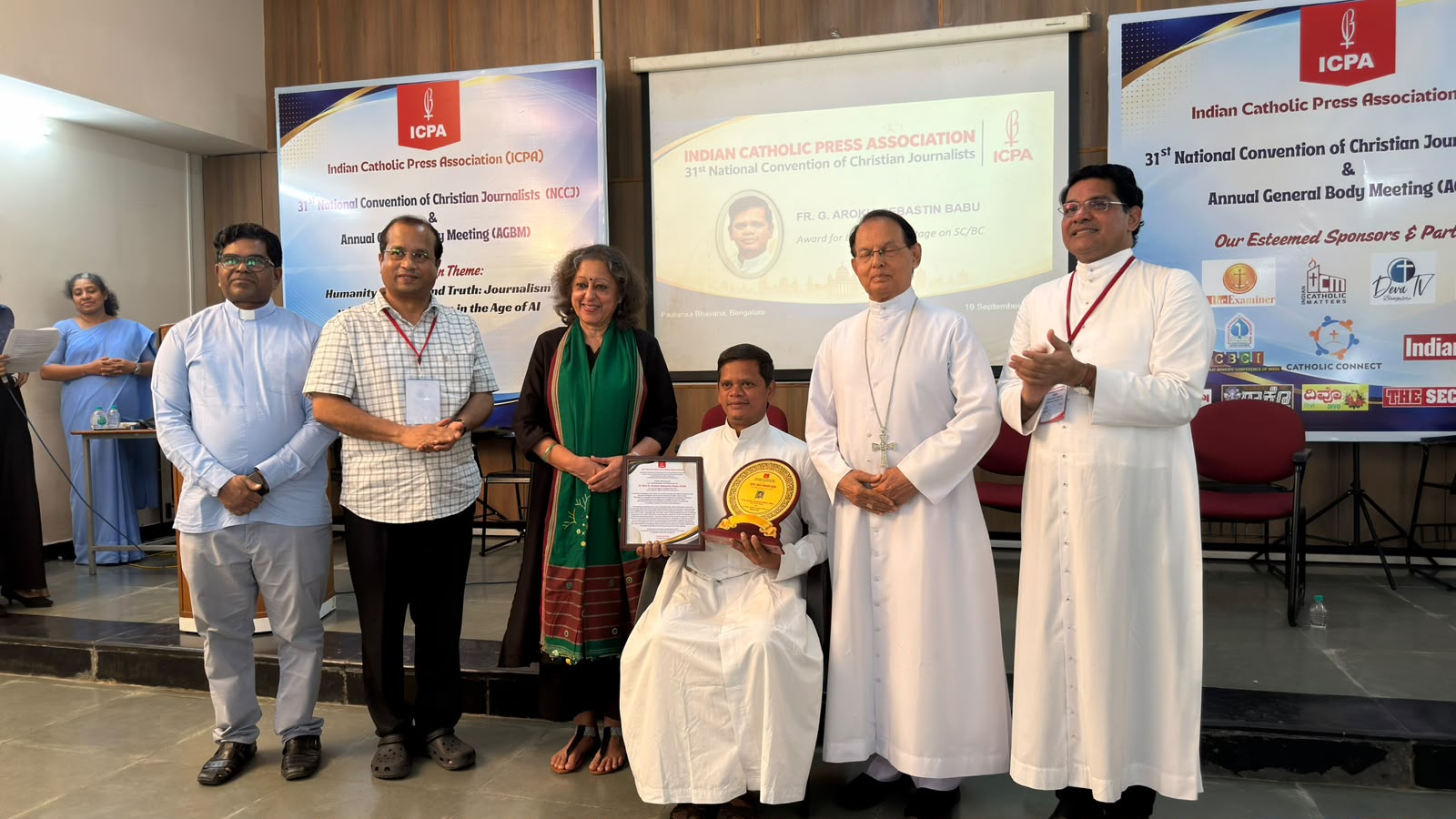 ICPA
ICPA
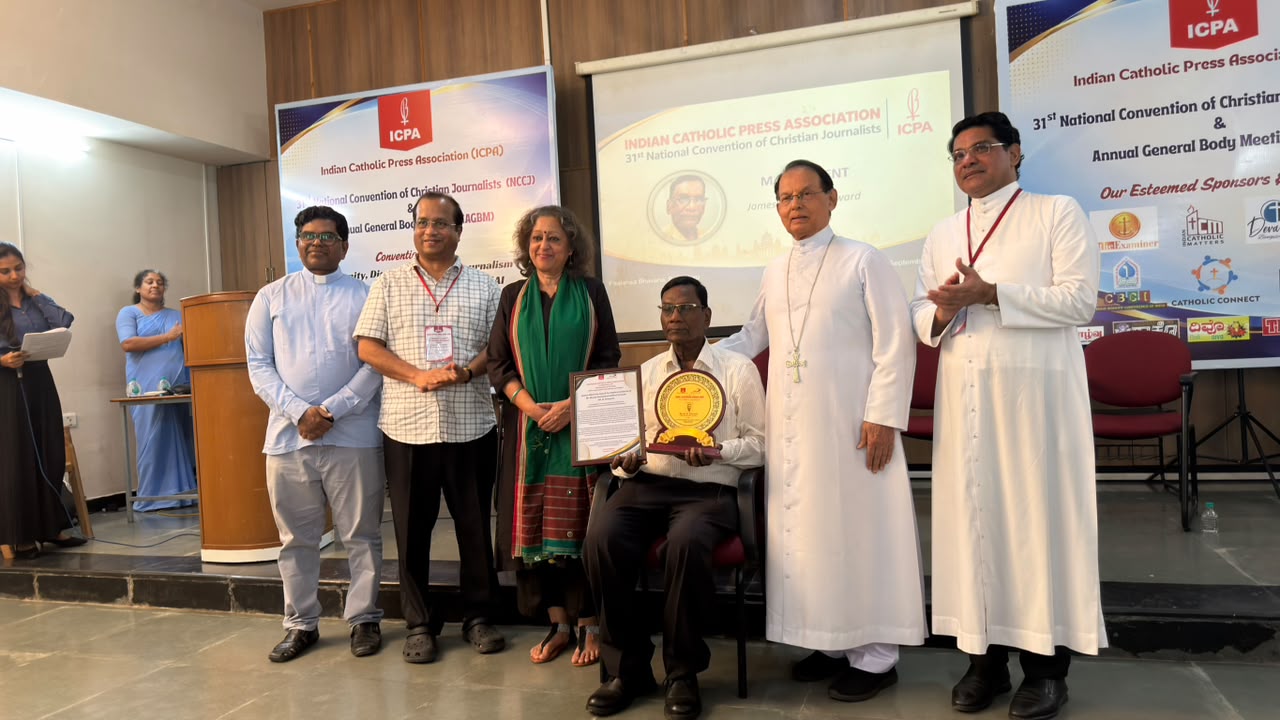 ICPA
ICPA
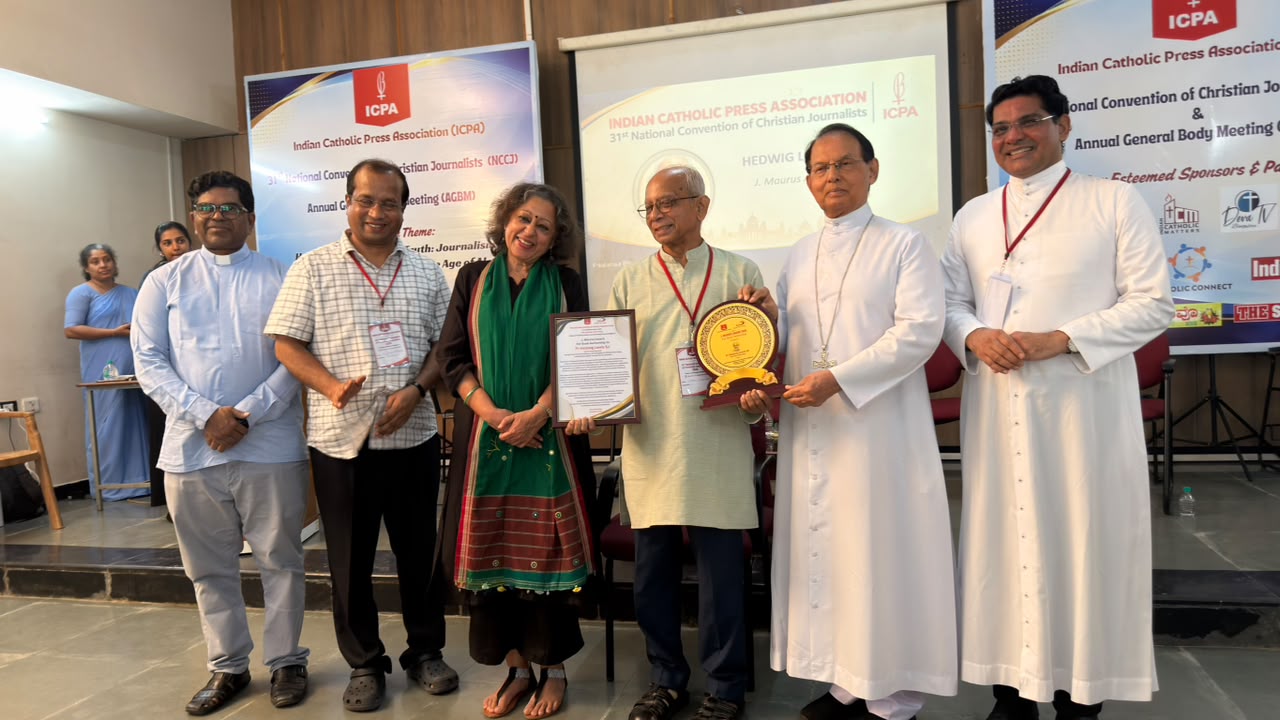 ICPA
ICPA
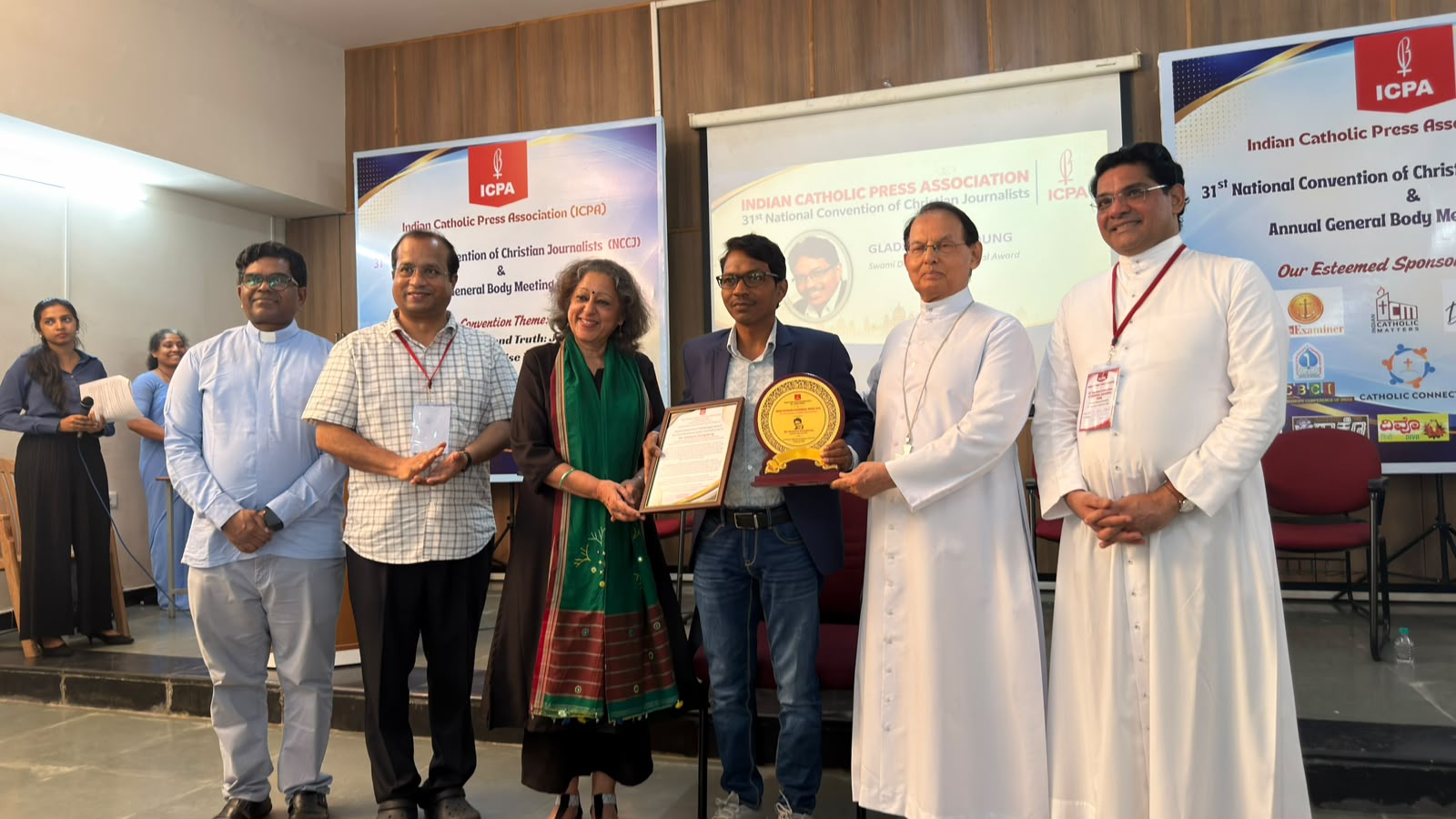 ICPA
ICPA
 ICPA
ICPA
.jpg)
 A. J. Philip
.jpg)
.png) Jacob Peenikaparambil
Jacob Peenikaparambil
.jpg) John Dayal
John Dayal