

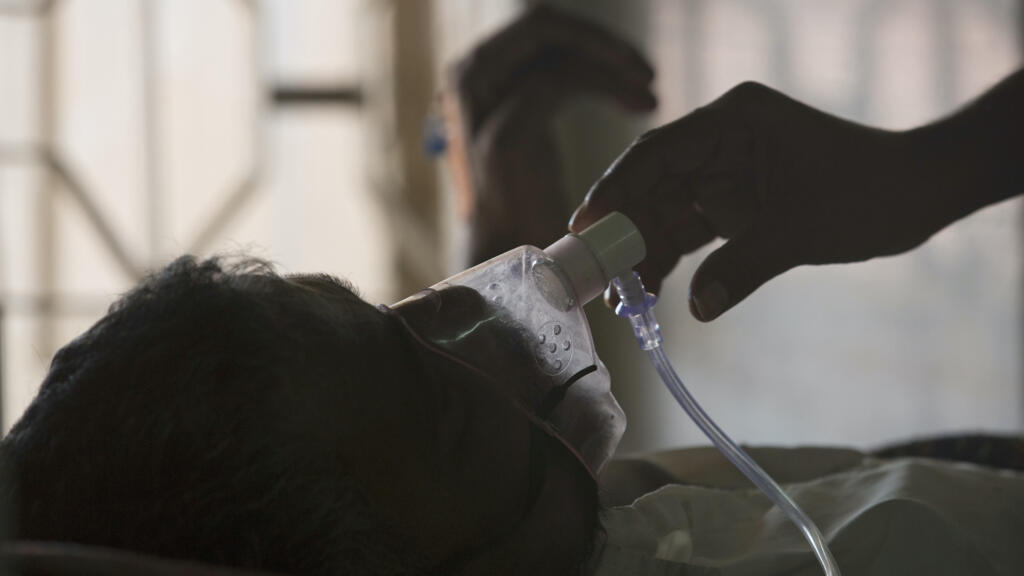
Harish Rana passed away at 4.10 pm on March 24, 2026, at AIIMS-Delhi, following the Supreme Court's ruling to withdraw medically futile treatment. Describing it as "passive euthanasia" is misleading; this phrasing obscures the ethical nuances surrounding the withdrawal of life-sustaining treatment. The distinction between euthanasia, which wills death, and the decision to withdraw treatment, which foresees death, is crucial. The latter acknowledges medical futility rather than actively aiming for death.
The Supreme Court's decision supports advance medical directives, also known as living wills. This allows individuals to specify their medical treatment preferences when they are unable to communicate. Rooted in Article 21 of the Constitution, this emphasises dignity, autonomy and personal liberty, affirming an individual's right to refuse burdensome treatment that only prolongs dying. The key message here is that refusing futile treatment should not be conflated with the right to die; instead, it highlights a nuanced ethical distinction that does not equate withdrawal with euthanasia.
Modern medical advancements can prolong biological life but often lead to complex ethical dilemmas when treatments become futile. The Supreme Court recognises that there is no obligation to continue such treatments. Mischaracterising withdrawal as euthanasia can generate unnecessary fear and moral conflict among patients and healthcare providers. The ruling does not legalise euthanasia but rather establishes a principled and compassionate approach to end-of-life care, advocating for humane treatment that respects patient autonomy and dignity.
Human dignity is inherent and unaffected by one's condition. Choices at the end of life are deeply personal, often complex, and fraught with emotional challenges. Advance directives and procedural safeguards can assist families during these difficult decisions. Importantly, ending life-sustaining interventions does not mean ending care; patients continue to receive comprehensive medical support aimed at comfort and the alleviation of suffering.
Every patient has the right not to be prevented from dying by medical interventions which merely cause disproportionate and unreasonable suffering. The termination of curative treatment, including the discontinuation of artificial respiration and the withdrawal of nutrition, does not equate to actively causing death. Any form of treatment can be withdrawn or discontinued completely if it cannot achieve its original goal. Artificial medical interventions, which are no longer curative but merely serve to temporarily delay the inevitable moment of death, do not fall within the scope of the duty to preserve life. Nor is there a duty to continue treatment which has no prospect of success. If treatment no longer serves to restore health or, at least, maintain the patient's consciousness of their own existence and ability to communicate with others, its continuation cannot be justified.
Palliative care is essential in this context, providing comfort and pain relief as patients transition away from futile interventions. The ethical principles guiding this transition are well-established; the principle of proportionality says that benefits must outweigh burdens, and treatment should not prolong suffering when there is no reasonable prospect of recovery. The principle of double effect acknowledges that alleviating pain may unintentionally shorten life, yet remains ethically permissible as the intention is compassionate rather than lethal. Overall, the Supreme Court underscores the importance of a humane, ethical approach to end-of-life care, consolidating the respect for patient dignity throughout this sensitive process.
It is, however, important to use clear language; terms like "passive euthanasia" must be abandoned in favour of ethical clarity. Another important aspect of this dialogue is the language surrounding conditions like "persistent vegetative state," which lacks respect for human dignity. Alternative terms like "prolonged absence of consciousness" may be preferable.
May Harish Rana live in eternal peace!
.jpg)
.png) Cedric Prakash
Cedric Prakash
 ICPA
ICPA
 ICPA
ICPA
 ICPA
ICPA
 ICPA
ICPA
 ICPA
ICPA
 ICPA
ICPA
.jpg)
 A. J. Philip
.jpg)
.png) Jacob Peenikaparambil
Jacob Peenikaparambil
.jpg)
.png) John Dayal
John Dayal