

.png) Jacob Peenikaparambil
Jacob Peenikaparambil
Nicodemus makes a fascinating and insightful statement about Jesus in the movie, 'Jesus of Nazareth', directed by Franco Zeffirelli. Nicodemus was a member of the Jewish Sanhedrin, and he had a very soft corner for Jesus. When the Sanhedrin discussed how to punish Jesus, Nicodemus strongly argued that according to Jewish law, the accused should be allowed to explain his stand. While sharing his impression of Jesus, Nicodemus said, "I saw in him the word of God becoming alive".
The statement of Nicodemus is very pertinent regarding the mission of the disciples of Jesus today. In the current socio-political scenario of India, the life and mission of the disciples of Jesus are very challenging. The mission of Jesus' disciples, irrespective of the context in which they live, should always be making the word of God alive. Word of God will not become alive by writing quotations from the Bible on compound walls, taking the Bible in procession and doing aarti for it, shouting Bible quotes using loudspeakers, or conducting a competition to write down the Bible from the beginning to the end. The word of God will become alive only when a disciple of Christ reflects or contemplates the Word of God, relating it to the context in which he /she lives and resolves to put into practice the insights he/she gets from the contemplation.
Jesus made the word of God alive when he drew insights through his contemplation in lonely places and mountains. When Jesus cured people suffering from dreaded diseases, when he made the lame walk or cast out evil spirits, he was making the world of God alive. When he fed the hungry, he was making the world of God alive. When he unconditionally forgave a known prostitute and converted a Samaritan woman whom the Jews despised, he was making the word of God alive. He didn't ask the prostitute to do penance for the expiation of her sins and the sins of her forefathers, as some misguided preachers of today are doing by instilling exaggerated guilt in people.
When Jesus questioned the discriminatory and gender-based law by asking the Jewish moral police, "let any one of you who is without sin be the first to throw a stone at her," he was making the word of God alive. When he ate with the outcastes and chose Mathew, a tax collector whom the Jews hated, as one of his disciples, he was making the word of God alive.
When Jesus questioned and violated meaningless and exploitative laws and customs, saying, "Sabbath is for man and not man for Sabbath", he was making the word of God alive. When he castigated the Jewish religious leaders for their hypocrisy, exploitation, exhibitionism, greed for positions, failure to present good examples, and lack of integrity and honesty (Mt. 23: 1-36), he was making the word of God alive.
When Jesus condemned the commercialisation of religion by driving out traders and money changers from the Jerusalem temple, saying, "My house will be called a house of prayer, but you are making it a den of robbers," he was making the word of God alive.
When Jesus made people understand that the essence of spirituality is sensitivity and compassion through the parable of the "Good Samaritan", he was making the word of God alive. When Jesus warned people about the danger of living in luxury and being insensitive to the needy at their gate through the parable of the Rich Man and Lazarus, he was making the word of God alive. When Jesus appreciated the faith of the Roman military officer and taught his disciples to be inclusive by appreciating the goodness in other religions, he was making the word of God alive.
When Jesus washed his disciples' feet and gave them an excellent example of humble service to be an authentic leader, he was making the word of God alive. When he gave a new commandment, "love one another, as I have loved you", and made it the uniform of his followers, he was making the word of God alive.
When Jesus prayed for his tormentors while hanging on the cross, saying, "Father, forgive them, for they do not know what they are doing", he was making the word of God alive. When Jesus made people understand the paramount importance of forgiveness and reconciliation in the life of his followers through the parable of the Prodigal Son, he was making the word of God alive.
How can we, the disciples of Jesus, make the word of God alive in our lives, too? When the disciples contemplate the word of God, relate it to the socio-political, economic, and religious context, and apply the insights to their personal and social lives, they are making the word of God alive.
When the disciples of Jesus reach out through dialogue to those with differing views on certain issues instead of imposing their views on others and giving them ultimatums and threats, they are making the word of God alive. When they are ready to forgive those who have offended them and reconcile with them, they are making the word of God alive.
When the disciples of Jesus cultivate within them the core values of Jesus: forgiveness and reconciliation, sensitivity and compassion, justice and non-discrimination and respect for the dignity of individuals rather than caught up in ritualism, legalism and dogmatism, they are making the word of God alive.
When the disciples of Jesus shun all kinds of exhibitionism, building gigantic churches, erecting giant statues, and organising mega religious events, and begin seeing God in every human being by reaching out to the needy, the poor and the marginalised, they are making the word of God alive.
When the disciples of Jesus condemn all forms of commercialisation of religion and oppose any move to make money in the name of God and religion, they are making the word of God alive.
When the disciples of Jesus reject blind faith and superstitions by cultivating scientific temper and creativity, they are making the word of God alive. When they work hard with determination and passion to fulfil their mission, instead of delegating their tasks to God, they are making the word of God alive.
When the disciples of Jesus respect the earth and save its resources and join with other civil society organisations to oppose and protest against projects and programmes that damage the environment and contribute to climate change, they are making the word of God alive.
When the disciples of Jesus resist the culture of consumerism and plundering of natural resources and become advocates of sustainable development, they are making the word of God alive.
When the disciples of Jesus oppose and condemn all kinds of religious fanaticism, hate speeches and communal violence fomented by communal organisations and political parties and respect all religions and cultures through acceptance, appreciation and celebration of diversity, they are making the word of God alive.
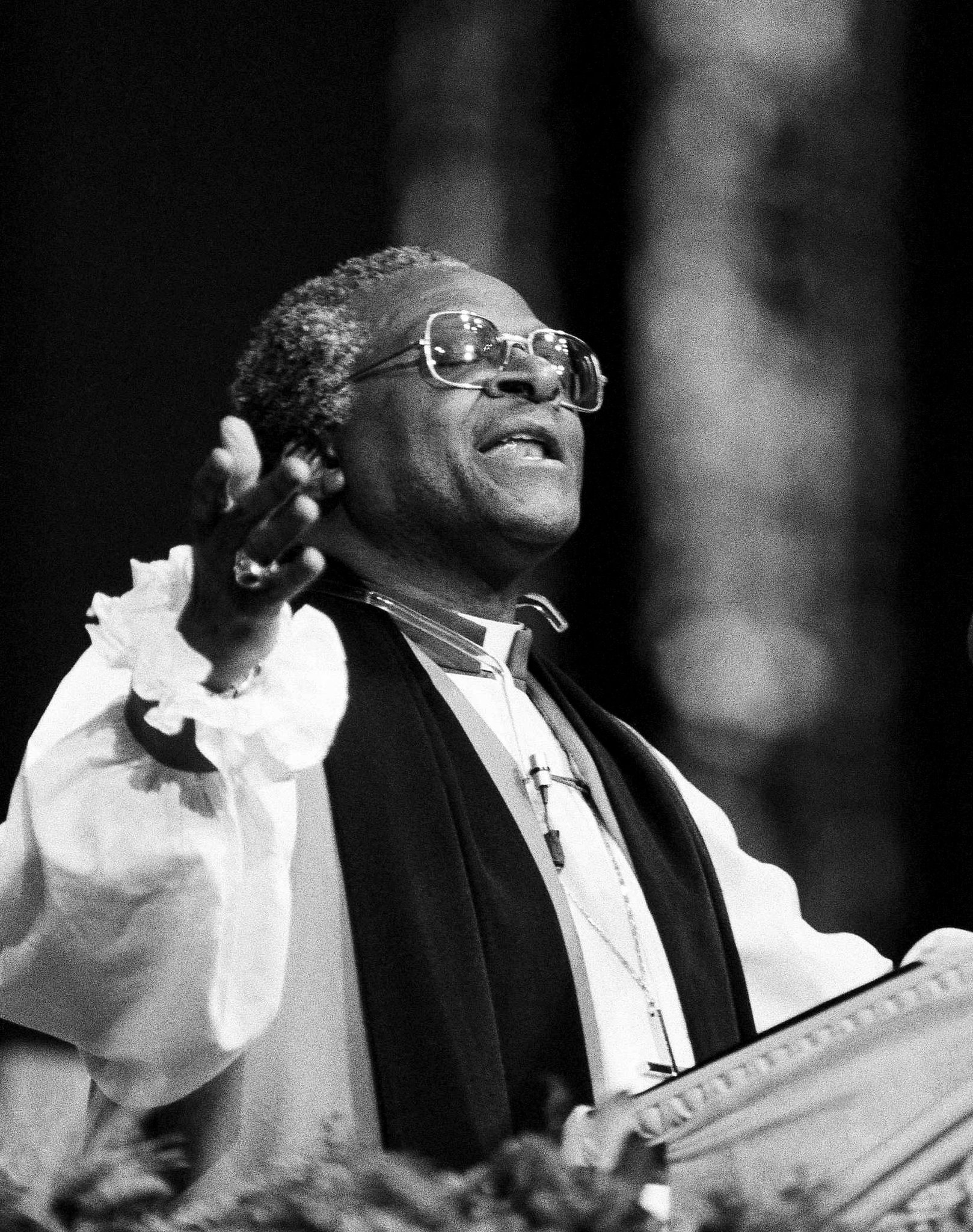
When the disciples of Jesus oppose the arms-race and become peace-makers by promoting non-violent methods of conflict resolution and conflict prevention, following the example of Jesus, Mahatma Gandhi, Martin Luther King Jr., Nelson Mandela, Archbishop Desmond Tutu, etc., they are making the word of God alive.
When the disciples of Jesus build inclusive communities, parishes, and dioceses by making women equal partners in decision-making and allocating offices, thereby rejecting all gender-biased discriminations, they are making the word of God alive. When they protest against sexual abuse and exploitation of women, especially by those who are in power, they are making the word of God alive. When they advocate and promote increased participation of women in employment and politics, they are making the word of God alive.
When the disciples of Jesus reject discrimination based on caste, especially the practice of untouchability, respect the dignity of all human beings and promote human rights, they are making the word of God alive.
When the disciples of Jesus oppose the economic policies that widen the gap between the rich and the poor and create a "Billionaire Raj" with 1% of the Indian population having 23% of the national income and 40% of the national wealth (World Inequality Lab Report published in March 2024), they are making the word of God alive.
When the disciples of Jesus promote democracy by safeguarding the Constitution of India, oppose the dictatorial policies and actions of the government, and support the victims of the misuse of draconian laws like journalists, social activists, academics, lawyers, opposition party leaders, they are making the word of God alive.
When the disciples of Jesus desist from the misuse of social media and protest against the abuse of media to spread hatred against minorities and the opponents of the government and the tricks of the government to tame the press into "Godi Media", they are making the word of God alive.
When the disciples of Jesus join with the civil society organisations to demand the Election Commission of India to provide a level playing field for all political parties and candidates by strictly implementing the Model Code of Conduct and punishing the violators of the MCC, they are making the word of God alive. When they exercise their constitutional right and duty of casting a vote and encouraging others to exercise their voting right, they are making the word of God alive.
Let the disciples of Jesus open their eyes and see that there are umpteen number of ways to make the word of God alive other than preaching.
.jpg)
 A. J. Philip

.png) Cedric Prakash
Cedric Prakash
.jpg)
 P. A. Chacko
.jpg)
.jpg)
.jpg) Thomas Menamparampil
Thomas Menamparampil
.png)
.png)
.png) Robert Clements
Robert Clements
.jpg)
.png)
.png) Chhotebhai
Chhotebhai