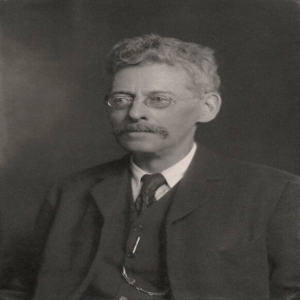


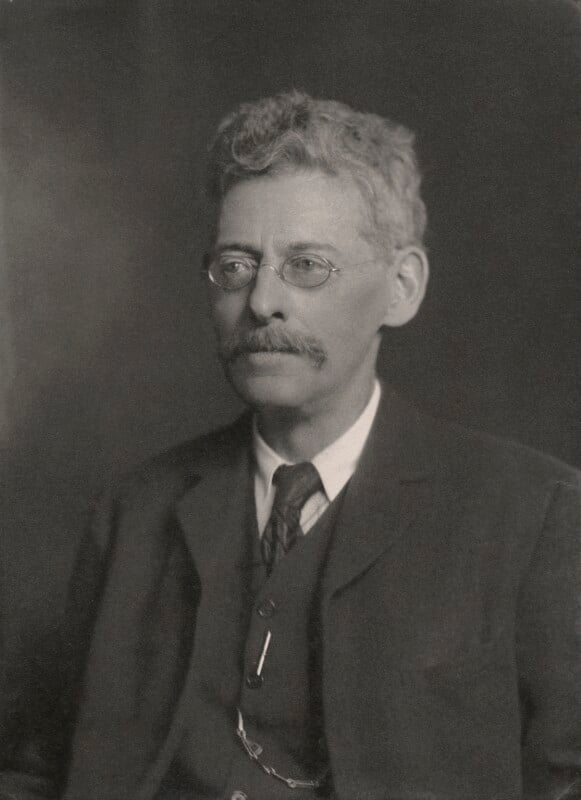
Just two years after India's independence, Dr Rajendra Prasad noted,
"We have prepared a democratic Constitution. But successful working of democratic institutions requires in those who have to work them willingness to respect the view points of others, capacity for compromise and accommodation. Many things which cannot be written in a Constitution are done by conventions. Let me hope that we shall show those capacities and develop those conventions. The way in which we have been able to draw this Constitution without taking recourse to voting and to divisions in Lobbies strengthens that hope ... We must admit that the defects are inherent in the situation in the country and the people at large. If the people who are elected are capable and men of character and integrity, they would be able to make the best even of a defective Constitution. If they are lacking in these, the Constitution cannot help the country. After all, a Constitution like a machine is a lifeless thing. It acquires life because of the men who control it and operate it, and India needs today nothing more than a set of honest men who will have the interest of the country before them." (Constituent Assembly Debates On 26 November, 1949)
Even after 78 years of independence, millions are hungry, have to pass the night under the open sky, suffer from ill health, are unemployed, and so on. They count their days until death. On the other hand, globalisation has yielded rampant competition between markets and consumers.
Indians, irrespective of their capacity, have entered the world of consumerism. It has facilitated opportunist groups blindly supporting a particular political party. The intellectual, social, and ecological breakdown has gradually disturbed human relations.
The world is irrational in every sense of the word - it is pitted against external and human nature. This irrationality is fundamentally anti-ecological. India is ruled by different political parties. Each party has its own strategies and methods for the "development of people." However, their prime focus is accelerating personal development by exploiting people's ignorance for their absolutist goals.
Our society is trapped within a system of growth that conflicts with nature, transforming the organic into the inorganic. Ecological movements evolve into social ecology, revealing that ecological problems stem from social hierarchies - the domination of one gender by another, of people by politics, and so on.
According to Harold H Joachim (1906), a coherent theory tries to make reality or understanding of reality rational. Coherence is a process of thinking out and giving reason to whatever our ideals may be or to whatever reality we are trying to create. It means giving a rational understanding of the reality in which we live. It does not mean that this reality is rational but that we understand how it came about and where it is going. We are now living in a period of incoherence. It denies the existence of rationality, history, and ideals and has essentially put a text under our noses and asked us to mug it.
Political violence is now significant across India, especially during elections. It becomes an event of manifest coercion, with political leaders working to establish absolute partisan control. They provoke tensions to prevent opposition, transforming elections into events of terror. There's little scope for positive political action to empower people, particularly at the grassroots level. Instead, the system nurtures a culture of political absolutism where political murders and conflicts are common.
The rejection of moral beliefs and the possibility of common people taking charge of their development leads to power consolidation among political leaders and an elite class. This closes the door to alternative development models. The rapid crisis in human relations stems from the intellectual poverty of political leaders. Abusing people's ignorance cannot sustain the building of a progressive nation.
The day will come when internal unrest helps outsiders win without a battle - a consequence of our failures.
.jpeg)
 A. J. Philip
.jpg)
.png) Jacob Peenikaparambil
Jacob Peenikaparambil
.jpg)
.png) John Dayal
John Dayal
.jpg)
 Pachu Menon
.jpg)

.png)
.png)
.png) Robert Clements
Robert Clements
.jpg)