.png)


 Fr. Gaurav Nair
.png)
It has always been clear that the preferred method of persecuting Christians in India is not unleashing mobs alone. It has always been complemented by law, bureaucracy and propaganda. The objective was never merely to attack churches, but to weaken the Church's ability to serve, to speak and to stand with the poor.
The executive amendments to the Foreign Contribution (Regulation) Rules are a classic example. Without Parliament debating the pending amendments to the parent legislation, the government has quietly enacted sweeping restrictions through subordinate legislation.
But laws alone do not shape public opinion. They require a willing propaganda machinery.
The treatment meted out to the Missionaries of Charity in the Ranchi "child trafficking" case exposes this reality. When the allegations initially surfaced, the media erupted in collective hysteria. Television debates declared guilt before the courts had examined a single witness. Newspapers splashed sensational headlines across their front pages. The congregation founded by Mother Teresa, admired throughout the world for its service to abandoned children, leprosy patients and the dying, was suddenly portrayed as a criminal enterprise.
The Ranchi court acquitted the accused, including an elderly Missionaries of Charity nun who had endured months in prison and public humiliation. Where are the television debates? Where are the screaming headlines? Where are the solemn editorials acknowledging that a grave injustice had been done? There are none. The acquittal has disappeared into a carefully engineered attenuation.
The silence becomes even more disturbing when one recalls another tragedy that barely found space in the national media. During the investigation, children were removed from the Missionaries of Charity home by government authorities. Reports that two infants subsequently died received almost no public attention while the allegations against the sisters dominated the headlines. That dichotomy alone should disturb every journalist who still believes that the first duty of the press is to the truth, not to political convenience.
This is the larger tragedy of our times. The purpose is no longer merely to regulate Christian institutions but to delegitimise them. If hospitals cannot be closed, question their intentions. If schools cannot be nationalised, accuse them of having hidden agendas. If charitable homes cannot be disproved, portray them as suspect. If the Church cannot be prevented from serving, ensure that the public no longer trusts those who serve.
The Church in India existed long before the present rulers occupied office, and it will continue long after they have become footnotes in history. It has survived Portuguese patronage and colonial suspicion, communal violence and political hostility, emergency regulations and bureaucratic harassment.
The Church has never drawn its strength from governments, favourable laws or media approval. Its strength has always come from the Gospel translated into action. The greatest apology for Christianity has been written in orphanages, schools, hospitals, homes for the aged, rehabilitation centres and remote villages where faith becomes service.
No government notification can confiscate that witness. No television campaign can erase it. No propaganda can ultimately prevail against lives poured out in love. In the end, history remembers not those who manufactured hatred, but those who served humanity in humility. And on that measure, maybe Christianity needs no defence.
.jpg)
.png) Cedric Prakash
Cedric Prakash
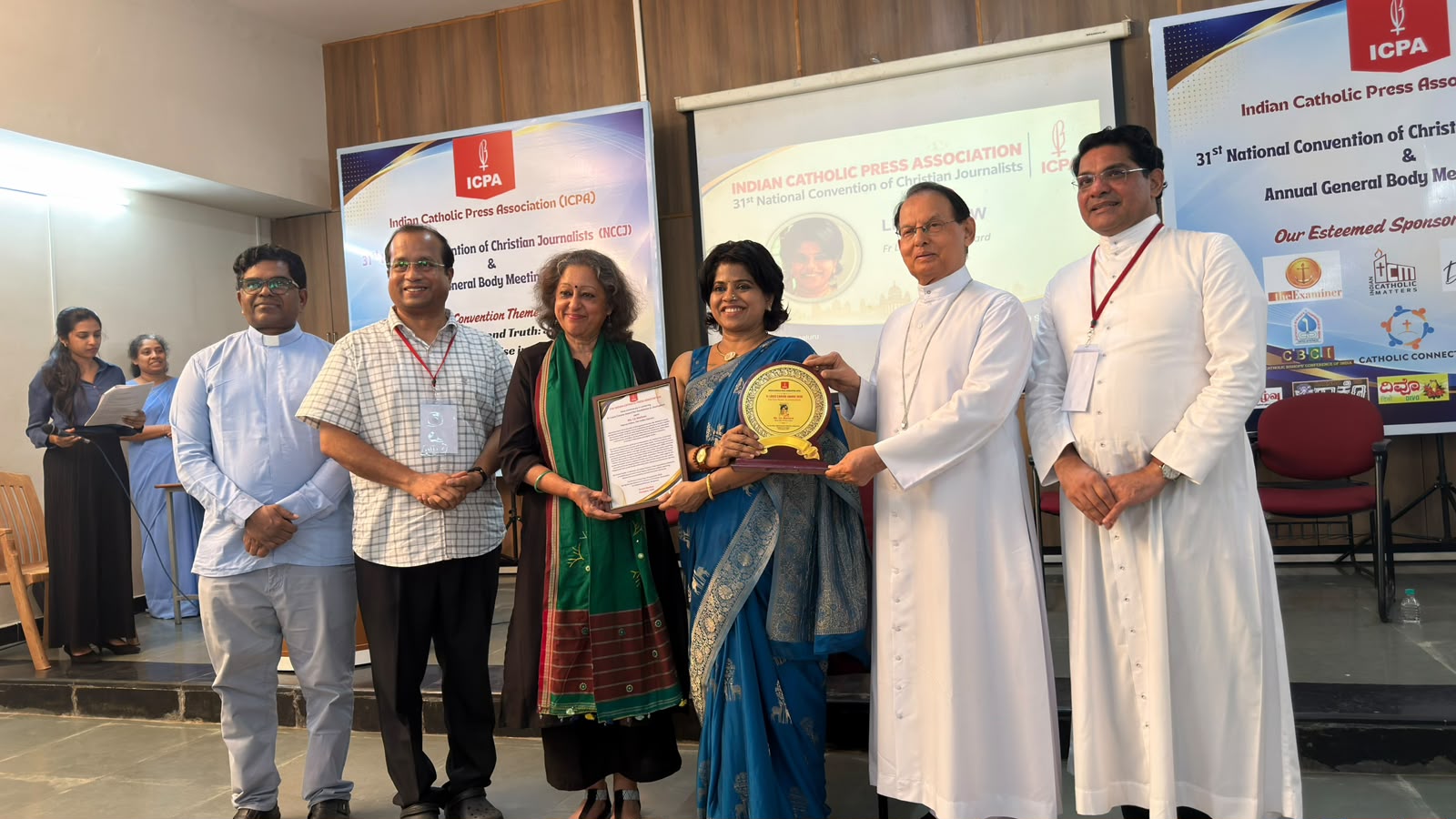
 ICPA
ICPA
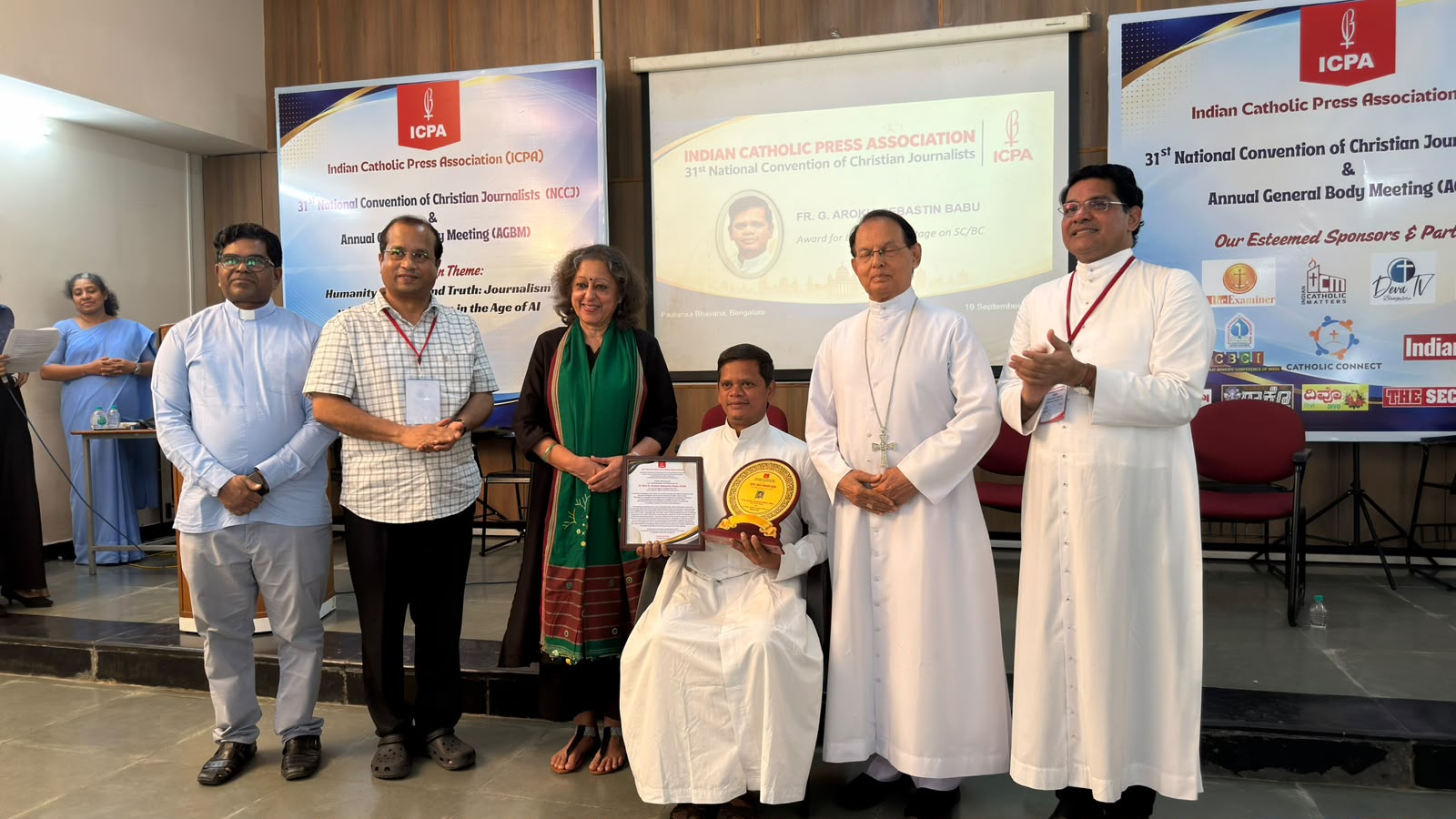 ICPA
ICPA
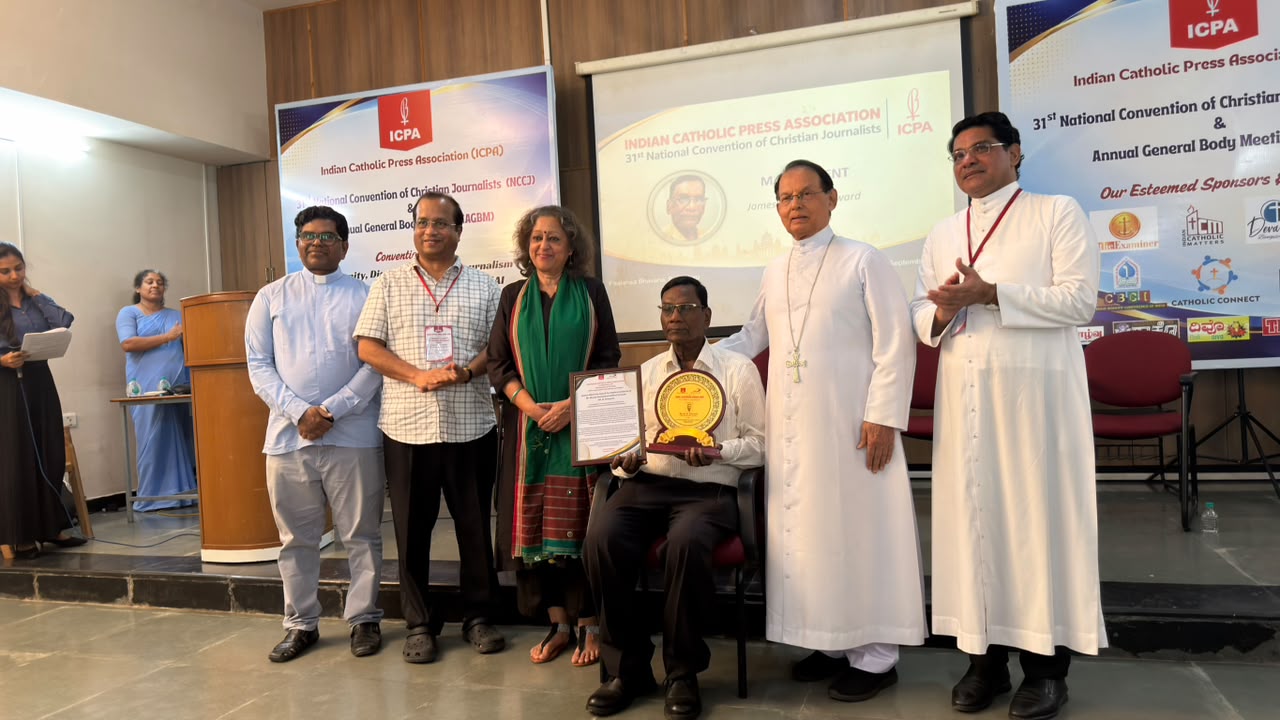 ICPA
ICPA
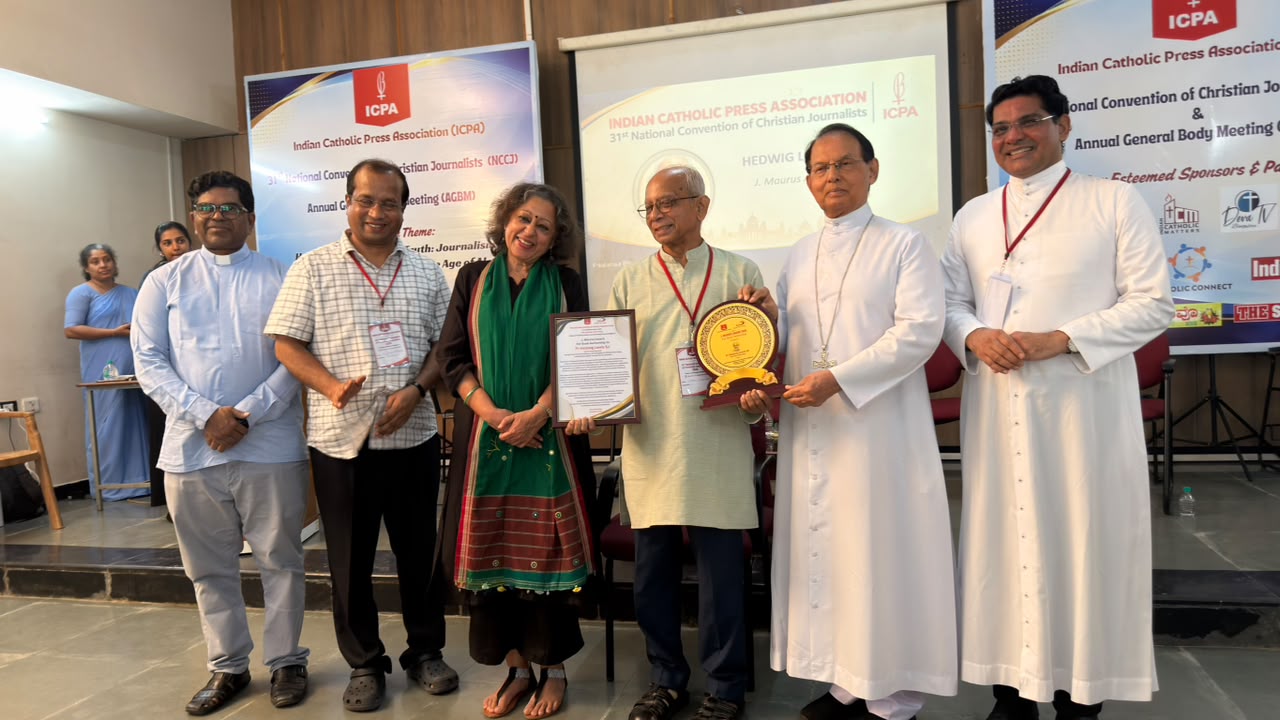 ICPA
ICPA
 ICPA
ICPA
 ICPA
ICPA
.jpg)
 A. J. Philip
.jpg)
.png) Jacob Peenikaparambil
Jacob Peenikaparambil
.jpg)
.png) John Dayal
John Dayal