.png)


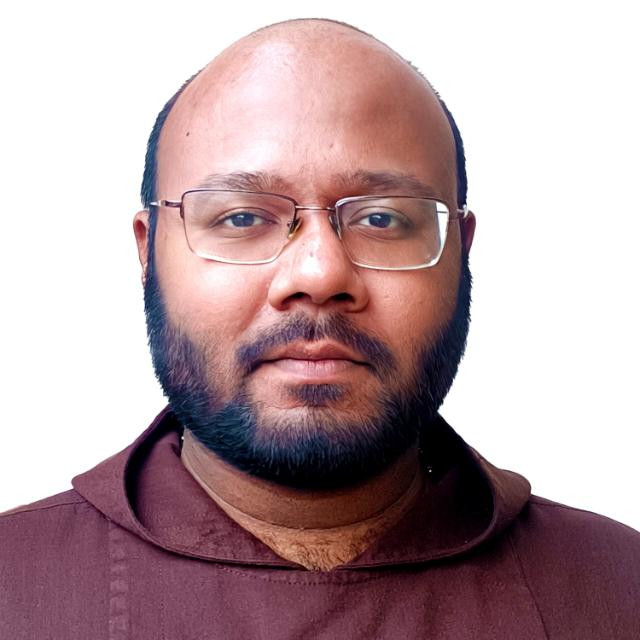 Fr. Gaurav Nair
.png)
As of October 15, close to 435 incidents of violence and hate crimes against Christians have been documented in India this year. These include threats, disrupted prayer meetings, assaults, arrests on false charges, and social boycotts that isolate families from basic necessities and social life until they renounce their faith. And in almost every instance, people are watching.
We are among those who watch. We read reports, view videos on our phones and follow protests from our places of comfort. Some tut-tut in compassion, others raise the pitch of their voices in outrage. But most remain silent because speaking out is risky. Others gradually become inured to the spectacle. But what does our watching eventually amount to?
Something is unsettling about a Christianity that has learnt to spiritualise its obligations. At the first sign of a crisis, our bog-standard response is, "Let us pray." Indeed, we must pray. But prayer has become an alibi for inaction. When our own communities face threats, we readily seek legal assistance, approach political leaders and organise rapid-response teams. Why, then, is practical intervention so conspicuously absent when others are persecuted?
Our own religious inheritance should leave us in no doubt about this responsibility. We have Biblical examples of the legendary prophets who raised their voices against oppressive rulers; John the Baptist had his head served on a platter. Jesus confronted religious authorities who had turned the Law into an instrument of exploitation. Indian Christian leaders, too, participated in the freedom struggle. Retreating behind private piety while injustice mars public life betrays this prophetic tradition.
Perhaps we are afraid. But discipleship was never meant to be comfortable. Courage does not mean the absence of fear; it means refusing to allow fear to dictate our conscience.
The Church does not need to endorse a political party or prescribe electoral choices. But it cannot afford to hold fort behind ecclesial quietism while human dignity is violated. Pastors and leaders must recognise that their responsibility extends beyond tending their own flock. The sheep look to their shepherds for moral clarity and prophetic courage. In such moments, by being silent, we become accomplices of the unrighteous who stand at the left of the Throne and ask, "Lord, when did we see You hungry or thirsty or a stranger or naked or sick or in prison, and did not minister to You?"
Christians must move beyond passive spectatorship. Join peaceful demonstrations where possible. Support credible initiatives defending citizens' rights, assist vulnerable families, raise awareness, and speak out about injustice in our homes, workplaces, and churches. Stand with those who are denied a voice. These protests are not about defending one community alone; they are about safeguarding the freedoms we all share.
.jpg)
 P. A. Chacko
.jpeg)
 A. J. Philip
.jpg)
 Jacob Peenikaparambil
.jpeg)
 John Dayal
.jpg)
 Jose Vattakuzhy
.png)
.png)
 Robert Clements

 Cedric Prakash