.png)


 Fr. Gaurav Nair
.png)
Although we humans tend to jump straight to conclusions and our judgements are generous, gratis and more often than not unsolicited, the domain for such an exercise is surprisingly predominantly cloaked in veils of facts and contexts that are every which shade of grey rather than perspicuously black and white.
The recent decision in the Harish Rana case sits precisely in that uneasy grey. A young man, suspended between life and its absence for over a decade, sustained not by hope of recovery but by tubes, routines, and the stubborn devotion of a family.
For families, this is not a matter of doctrine or jurisprudence. It is a slow erosion. Days accumulate into years, care becomes exhaustion, and hope becomes ritual. It is not that the love diminishes; it simply changes shape. To continue treatment can feel like fidelity; to withdraw it can feel like betrayal. And yet, there comes a point when the question is no longer about saving a life, but about prolonging a condition that bears little resemblance to living.
Catholic moral teaching steps into this space with considerable caution. It draws a line against any act that intends to cause death, since life, in all its frailty, is never ours to terminate. At the same time, it does not demand the impossible. It recognises that not every medical intervention is obligatory. Treatments that are burdensome, disproportionate, or without reasonable hope of benefit may be forgone. In such cases, one does not choose death; one refuses to endlessly postpone it.
Nevertheless, the tension persists. Nutrition and hydration—especially when administered artificially—occupy contested ground. Is it ordinary care, owed to every human being regardless of condition? Or have they, in certain contexts, become medicalised interventions that can be ethically withdrawn? The answer refuses to settle neatly. Each case pulls the line in a different direction.
What complicates matters further is the wordless, unspoken pressure surrounding such decisions. The burgeoning cost of care, the absence of institutional support, the emotional fatigue of caregivers, the subtle social expectation to "move on"—all these gather in the background. Choices are rarely made in pristine moral isolation. They are shaped by circumstance as much as by conviction.
The court, in discussing dignity, seeks to anchor the decision in something higher than expediency. But contravenous to the intent of its employment, dignity itself is an elusive word. Does it lie in preserving biological existence at all costs? Or in allowing a natural end when the body has long ceased to respond to life? Reason alone does not resolve this. Nor does sentiment. The answer, if there is one, lies somewhere in between—fragile, provisional, and deeply human.
Perhaps what is most needed is not certainty but humility. A recognition that these are not problems to be solved, but burdens to be borne with care, restraint, and compassion.
It is here that the wider world intrudes. As nations wage wars that extinguish lives with unaffected efficiency, as decisions of death are made with strategic detachment, the agonised deliberation over a single human life stands in crisp contrast.
If there is a lesson to be drawn, it is maybe this: the value we claim for life in its most vulnerable state must also shape how we treat life in its most expendable contexts, else, our ethics become selective.
.jpg)
.png) Cedric Prakash
Cedric Prakash
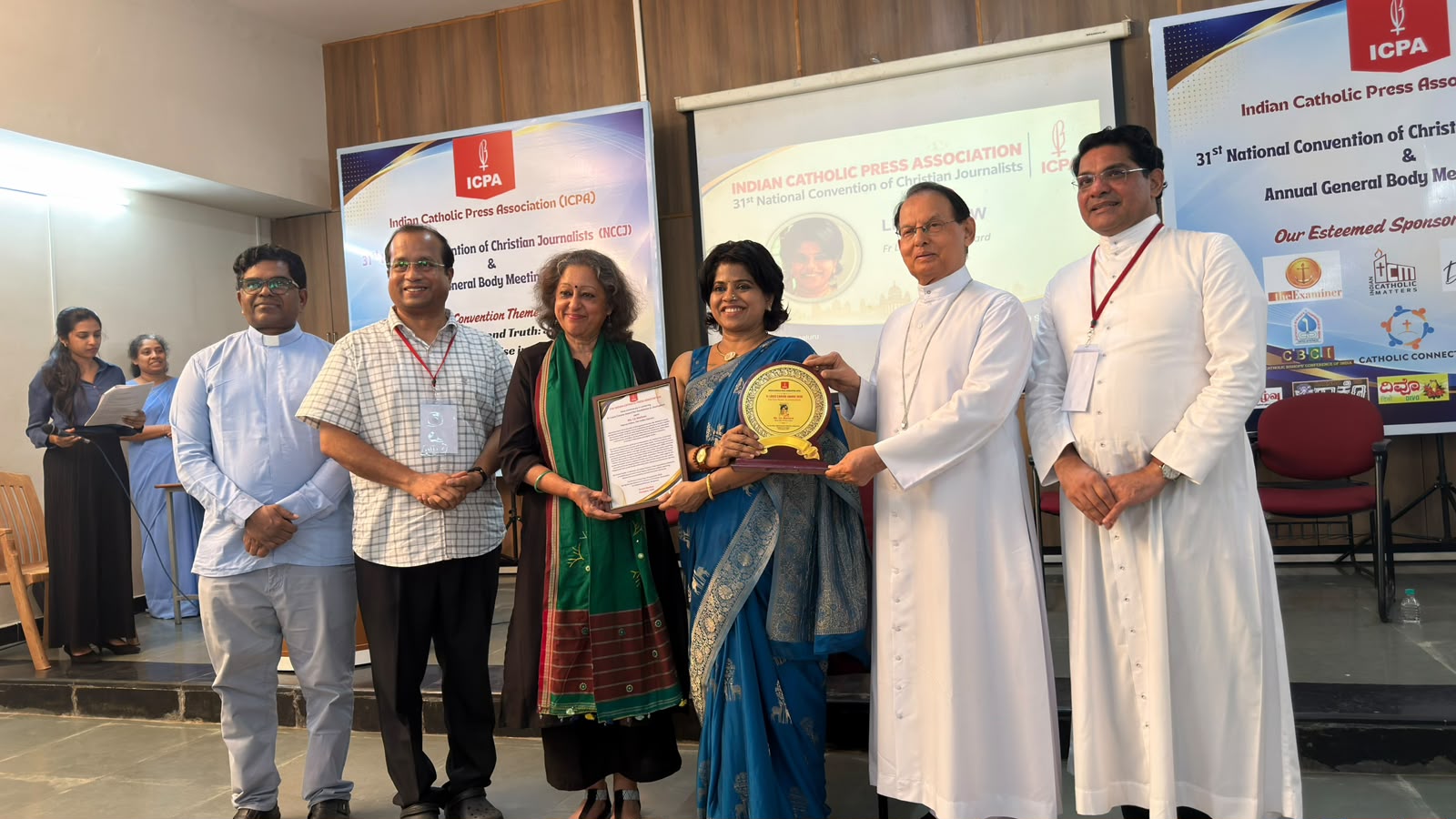
 ICPA
ICPA
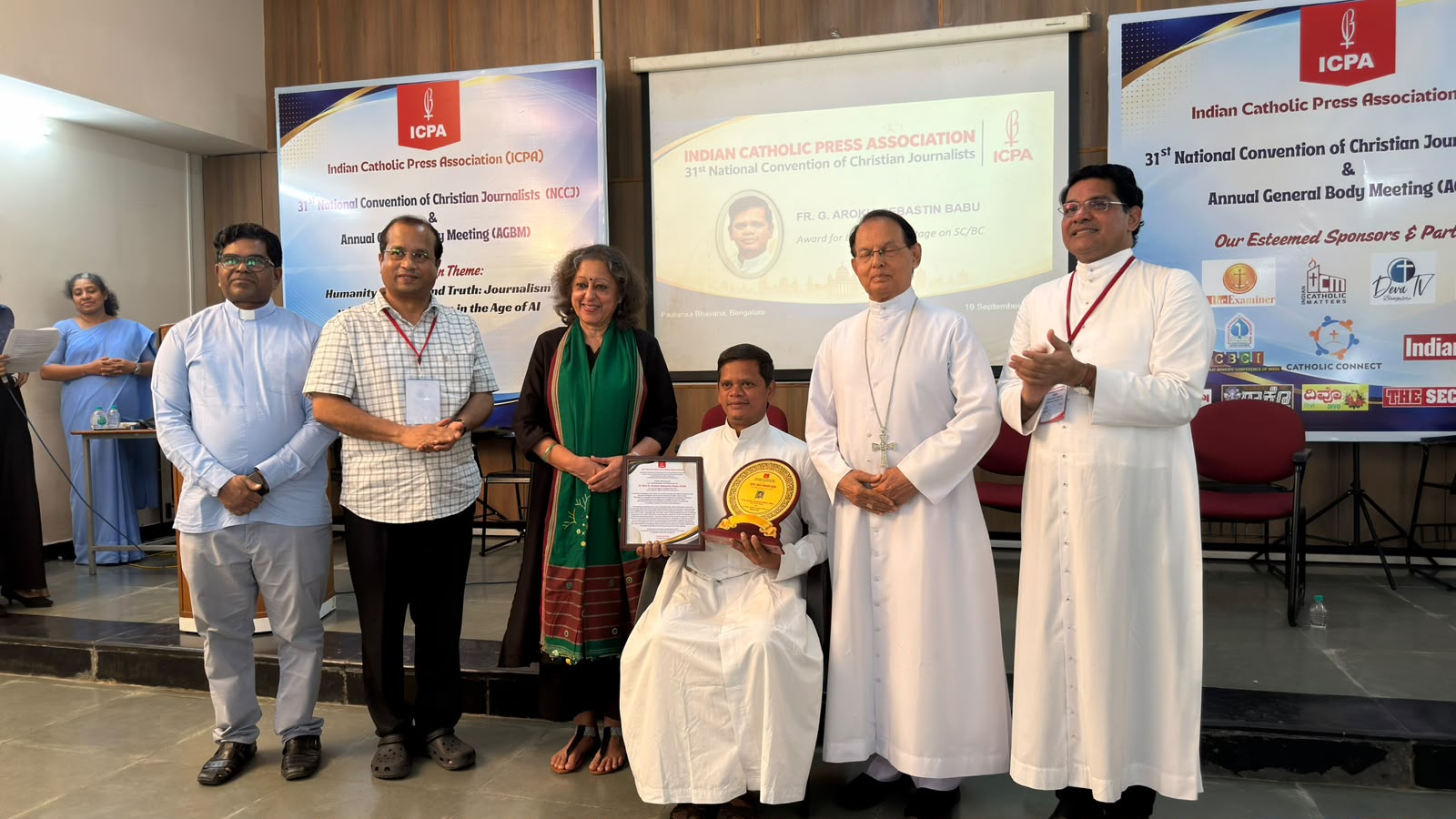 ICPA
ICPA
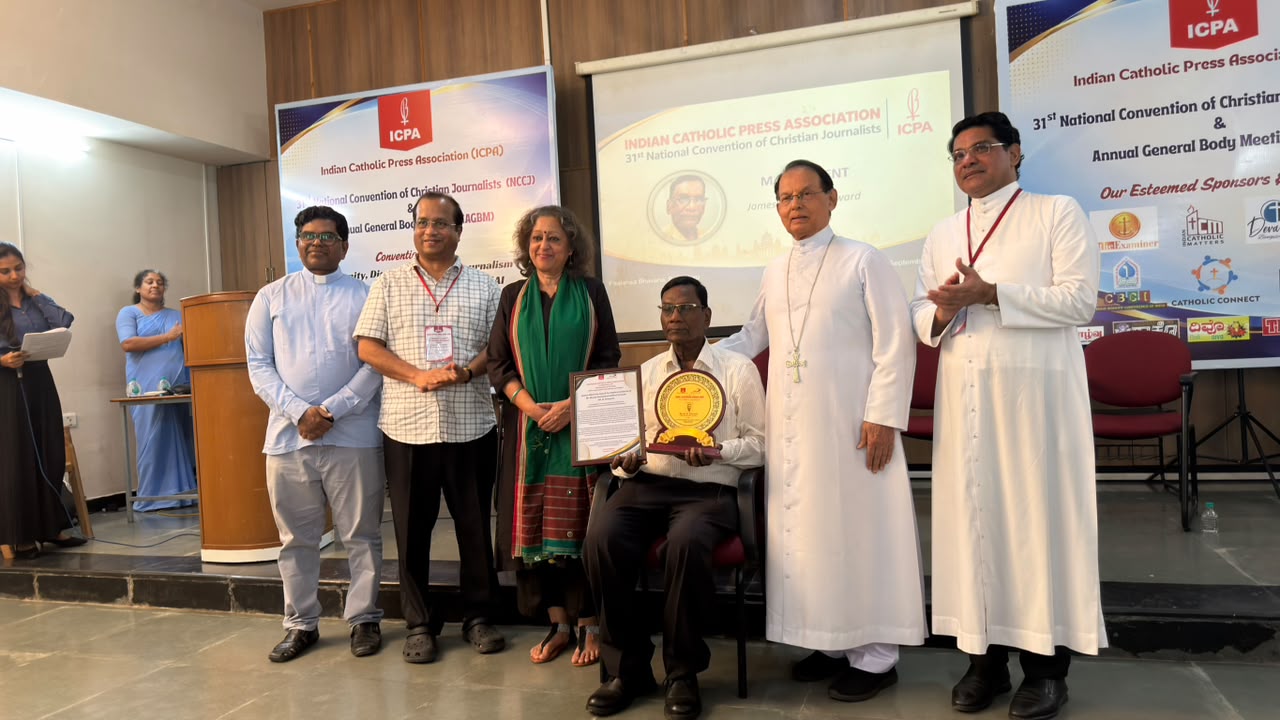 ICPA
ICPA
 ICPA
ICPA
 ICPA
ICPA
 ICPA
ICPA
.jpg)
 A. J. Philip
.jpg)
.png) Jacob Peenikaparambil
Jacob Peenikaparambil
.jpg)
.png) John Dayal
John Dayal