.png)


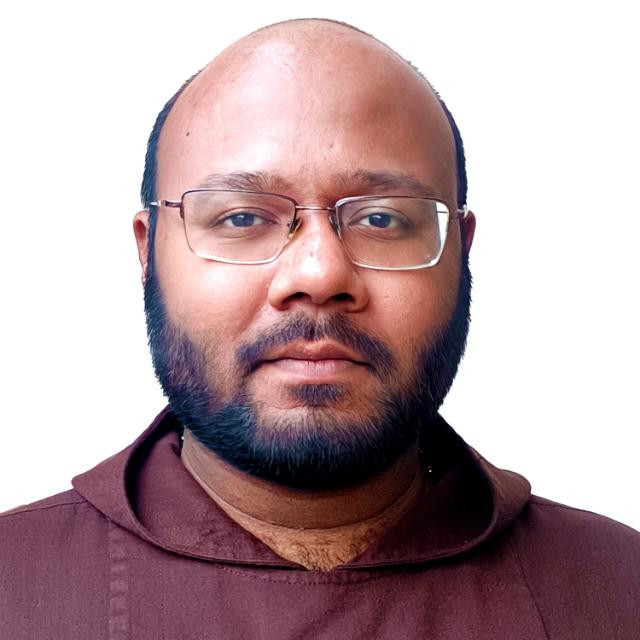 Fr. Gaurav Nair
.png)
There are few certainties left in this world, but the promise of a final, undisturbed rest should be one of them. In the dense forests of Bastar, Chhattisgarh, and in the red-earth villages of Odisha, that promise is being broken—not by the ravages of time or weather, but by the hands of neighbours.
We are witnessing a profoundly disturbing phenomenon: the denial of Christian burial and the forced exhumation of the dead. This is not merely a land dispute; it is a calculated assault on the dignity of the deceased and a profound rupture of the social contract.
The Supreme Court has long held that the right to a decent burial is a facet of the right to life under Article 21. As Justice BV Nagarathna observed in a split verdict last year, dignity does not retire at death; it accompanies the body to the grave. Yet, in practice, this right is being extinguished at the whim of village panchayats.
The stories emerging from the heartland are not just downright sad; they are macabre. In one instance before the Supreme Court recently, the body of a tribal Christian woman was exhumed and reburied fifty kilometres away, without her son's knowledge. In another, a grieving widow watched as villagers from the majority community dug up her husband and carted him off to a distant, unknown location. This is not the administration of law; it is the administration of terror under the cover of darkness.
What is particularly galling is the alleged complicity of the state machinery. Petitions before the apex court claim that rather than protecting fundamental rights, the Chhattisgarh government has abetted these acts, using the split verdict as a shield to deny tribal Christians burial in their ancestral villages.
In Odisha's Nabarangpur district, the coercion is explicit: a family was reportedly given an ultimatum to renounce their faith or leave the village entirely, with the body of their loved one held hostage as a bargaining chip.
We have reached a dangerous inflexion point when the concept of "public order" is weaponised to justify discrimination. To claim that burying a Christian in a village graveyard will disturb the peace is to admit that the peace is built on a foundation of exclusion. It validates the mob's right to dictate who belongs and who does not—even in death.
The law must intervene with clarity. The recent interim order by the Supreme Court restraining further exhumations is a necessary tourniquet, but it is not a cure. The state cannot be allowed to hide behind the excuse of "community sentiment" while its citizens are denied the dignity of a permanent home for their mortal remains.
A village that digs up its dead has lost its soul. We must ask ourselves: if the ground beneath our feet is not neutral, if the earth rejects those who pray to a different God, then what hope is there for the living? The answer must be an unequivocal constitutional mandate that a grave, once consecrated by grief, is forever sacred and immune to the malice of men.
.jpg)
.png) Cedric Prakash
Cedric Prakash
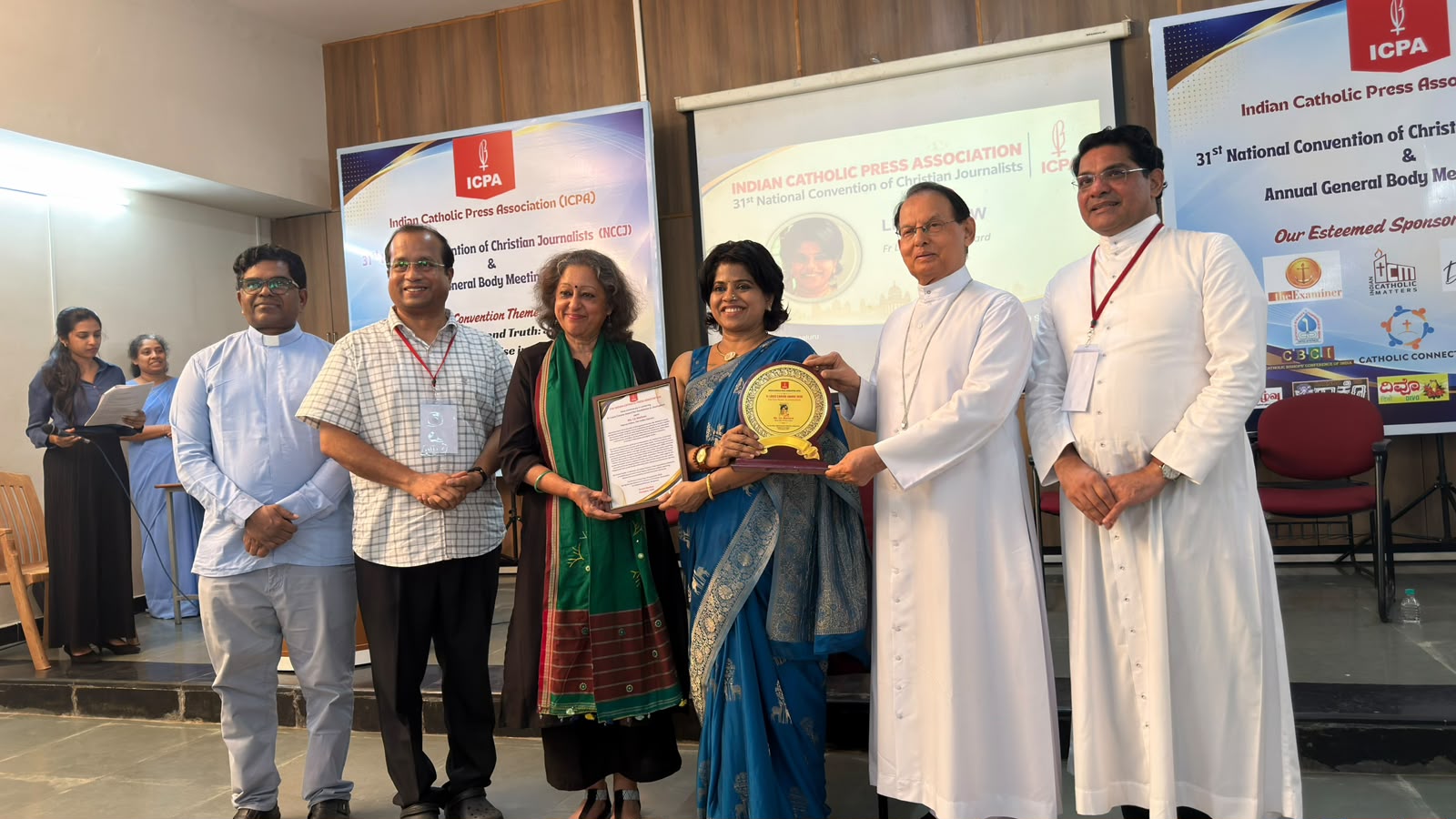
 ICPA
ICPA
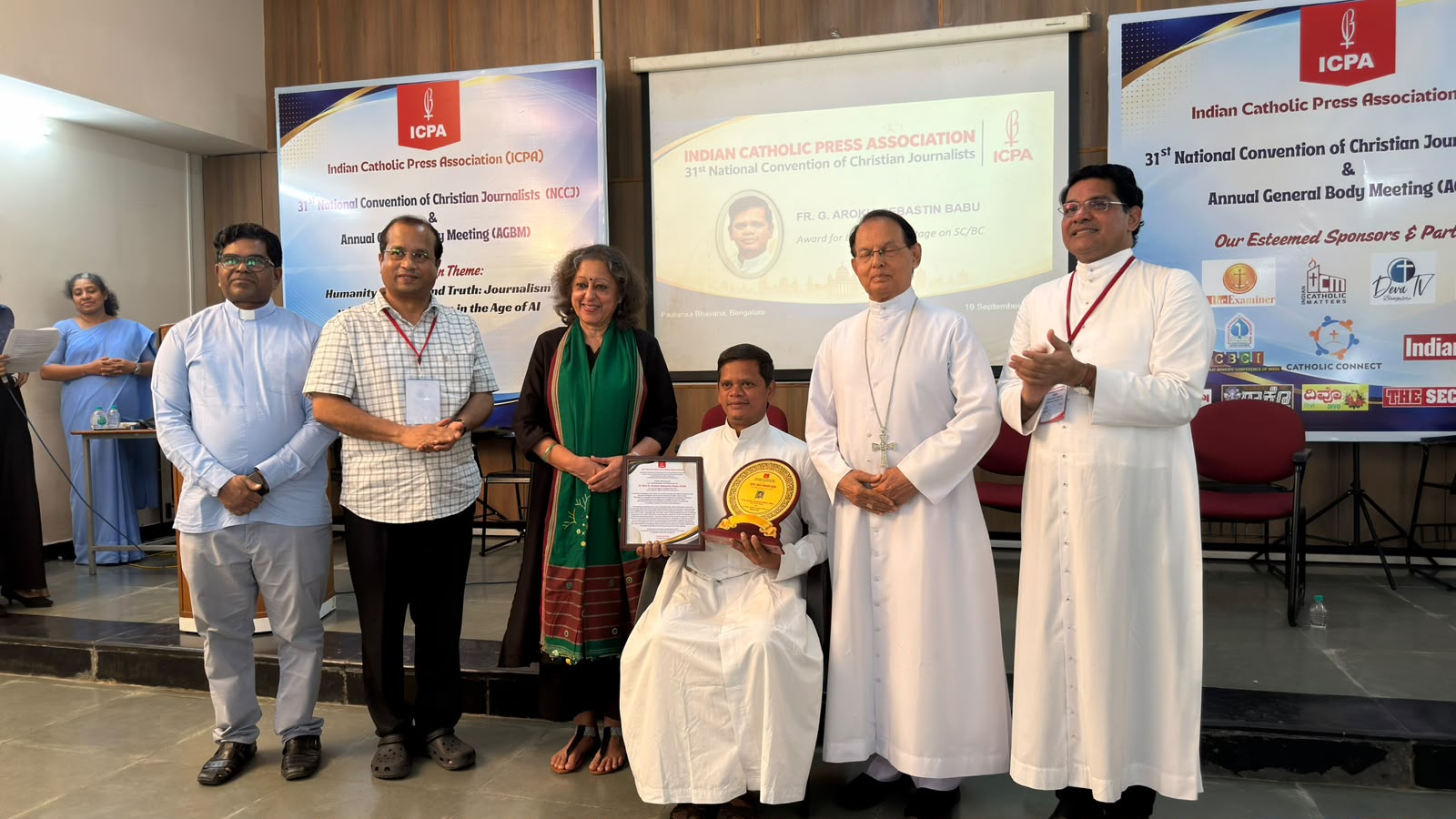 ICPA
ICPA
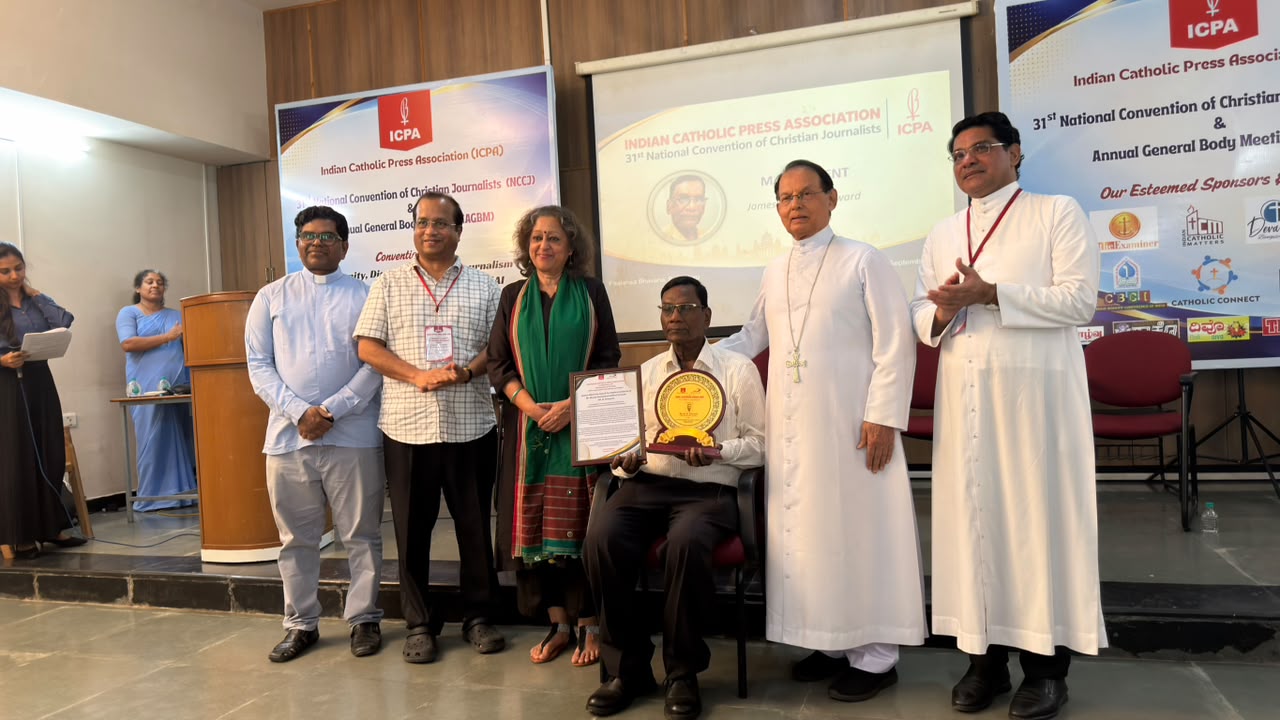 ICPA
ICPA
 ICPA
ICPA
 ICPA
ICPA
 ICPA
ICPA
.jpg)
 A. J. Philip
.jpg)
.png) Jacob Peenikaparambil
Jacob Peenikaparambil
.jpg)
.png) John Dayal
John Dayal