

 Fr. Gaurav Nair
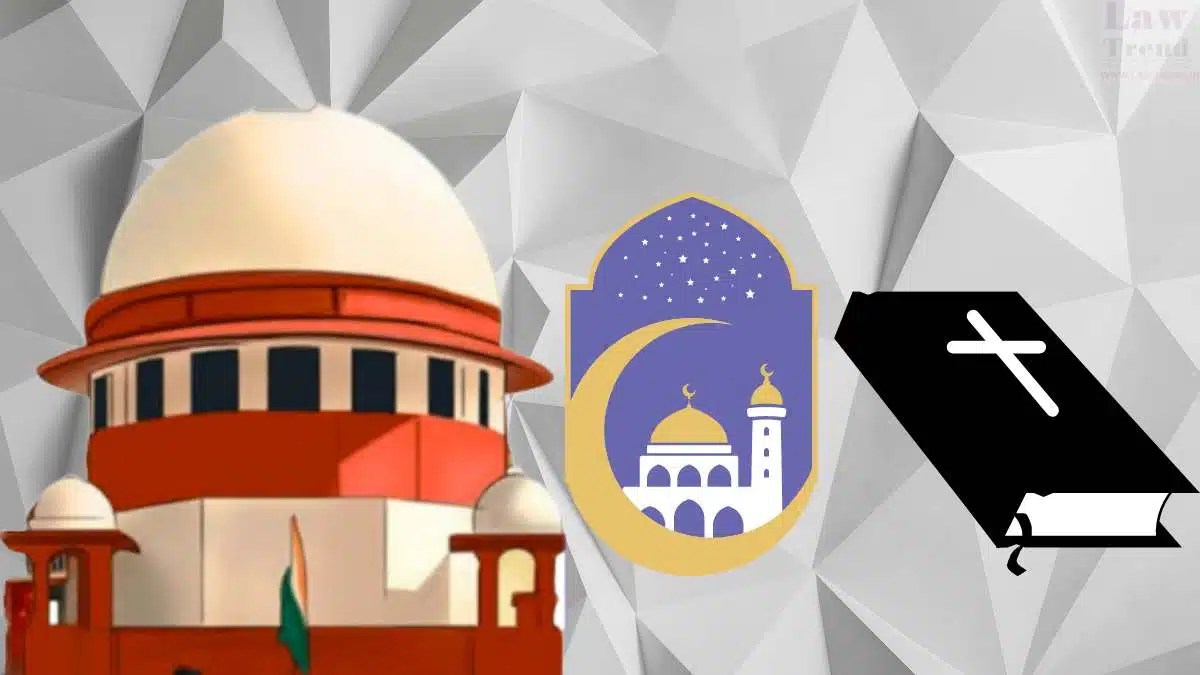
Some days ago, a social media post coerced someone to attach a rejoinder that the khakhi shorts of the highest judicial chair of the country were peeking out. His Lordship is not the only jurist attracting such comments. The Supreme Court of India's continued disinclination to amputate an ostensibly unconstitutional Constitution Order lends some credence to such theories.
The recent judgment of the Supreme Court to continue the marginalisation of those in the peripheries based on their religious identity is revelatory in itself. The learned arbiters who claim the intelligence to settle disputes are unable to perceive the discrimination that has steeped itself into the social composition and adjudicate in favour of those in need.
They didn't have to go into the field and study the matter; commissions have done it before, and one is in limbo. It would have sufficed to tally the number of cases within the judiciary which have been raised against caste discrimination of Christians and Muslims to realise that the matter is of much graver concern.
The oft-exploited favourite excuse of the non-indigeneity of Christianity and Islam falls irrelevant when we realise that these religions themselves have absorbed the characteristics of the subcontinent into their practices. Which means, unfortunately, they have also imbibed the long-standing social hierarchy into their systems, regardless of their ethos or message.
It fails to make sense from a moral standpoint for those oppressed to be fettered with punitive consequences. It would just seem that the judiciary just wants to keep entrenched the inhuman behaviour that has been a part and parcel of the social scene. This raises the question: Whom are they trying to please by keeping a relic of an unenlightened age, when the government is running helter-skelter to erase a far more recent past?
One is told, almost as a matter of habit, that the Court is bound by text, by precedent, by the careful discipline of interpretation. But the text (the Order) in question does not descend from some sacred plane. It is a product of its time, shaped by majoritarian pressure, and preserved through a reluctance to confront its consequences. To treat it as beyond moral scrutiny is to mistake endurance for legitimacy.
There is also a curious selectivity at play. The law has found ways to expand, reinterpret, and bend when questions of economic policy, executive power, or institutional privilege arise. Yet when it comes to those at the bottom of the social ladder, the same law suddenly hardens, citing limits, drawing lines, invoking restraint. The elasticity disappears precisely where it is needed most.
The argument that conversion severs caste is, by now, a polite fiction. It survives because it is convenient. Anyone with even a passing familiarity with village life, with burial grounds divided by denomination and caste, with marriages quietly policed, with congregations segregated by surname, knows otherwise. The Court's insistence on this fiction does not erase these realities; it merely chooses not to see them, much like it refuses to acknowledge the canard of forced conversion even though there hasn't been a single conviction.
What follows is a peculiar form of punishment. A person leaves one fold, often in search of dignity, and is told that in doing so, they have forfeited the very protections designed to shield them from indignity. It is a neat arrangement: society continues as before, but the law withdraws its recognition.
.jpg)
.png) Cedric Prakash
Cedric Prakash
 ICPA
ICPA
 ICPA
ICPA
 ICPA
ICPA
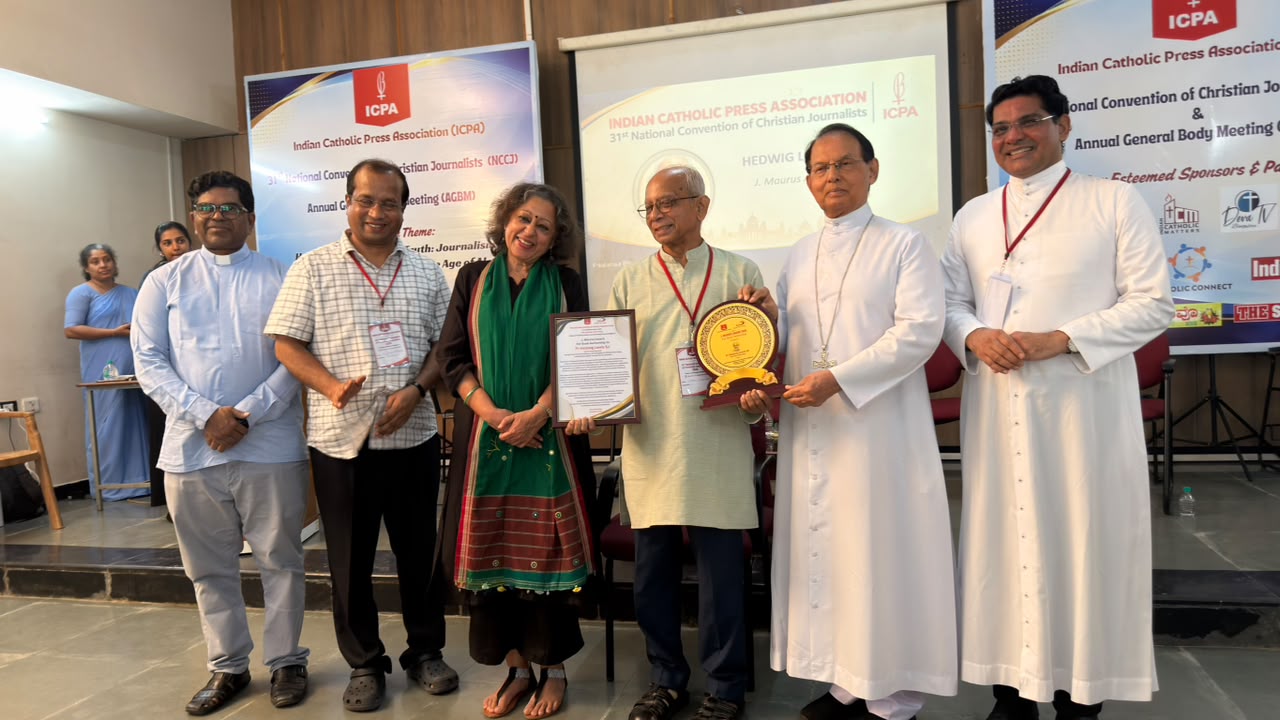 ICPA
ICPA
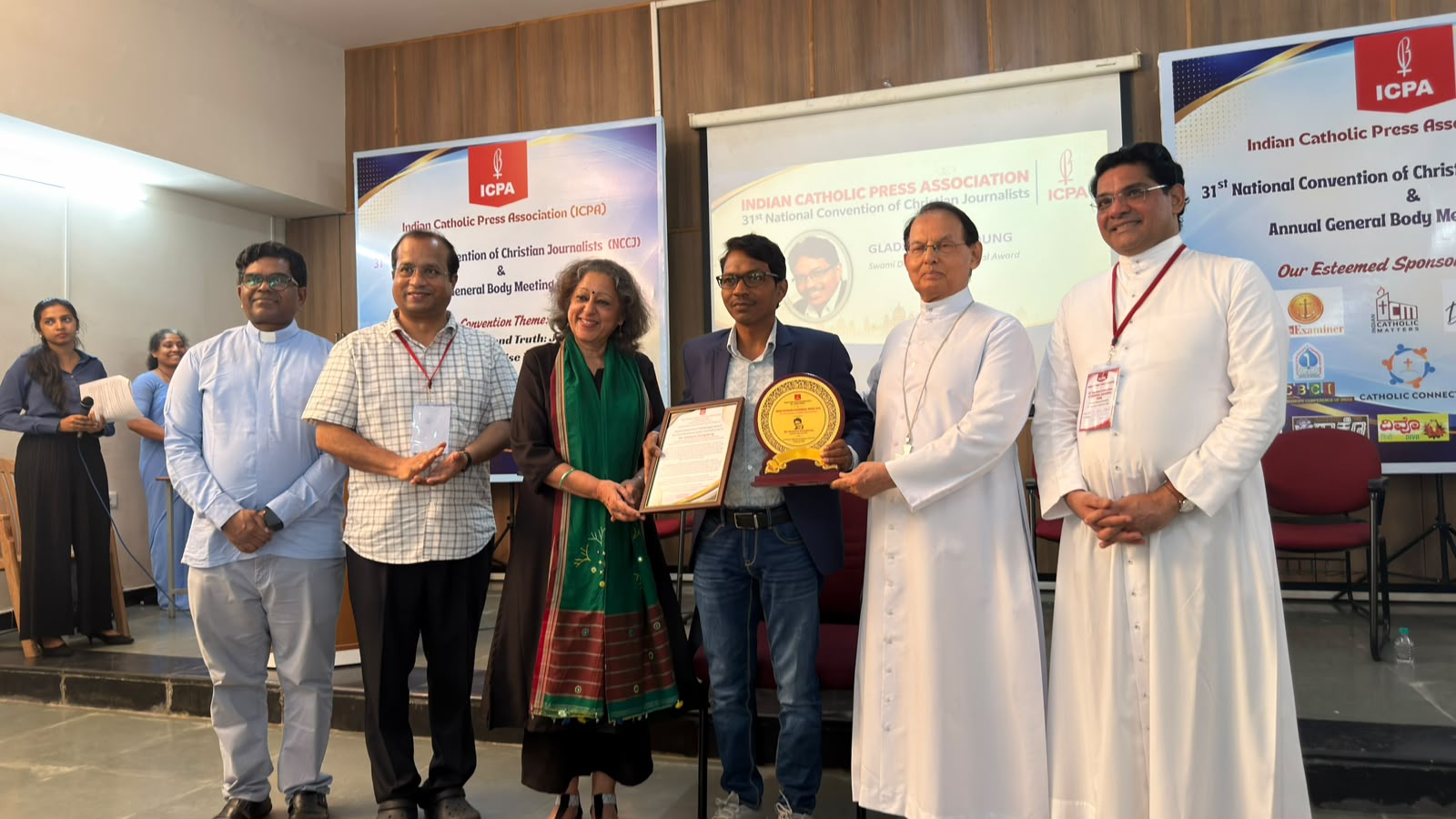 ICPA
ICPA
 ICPA
ICPA
.jpg)
 A. J. Philip
.jpg)
.png) Jacob Peenikaparambil
Jacob Peenikaparambil
.jpg)
.png) John Dayal
John Dayal