.png)


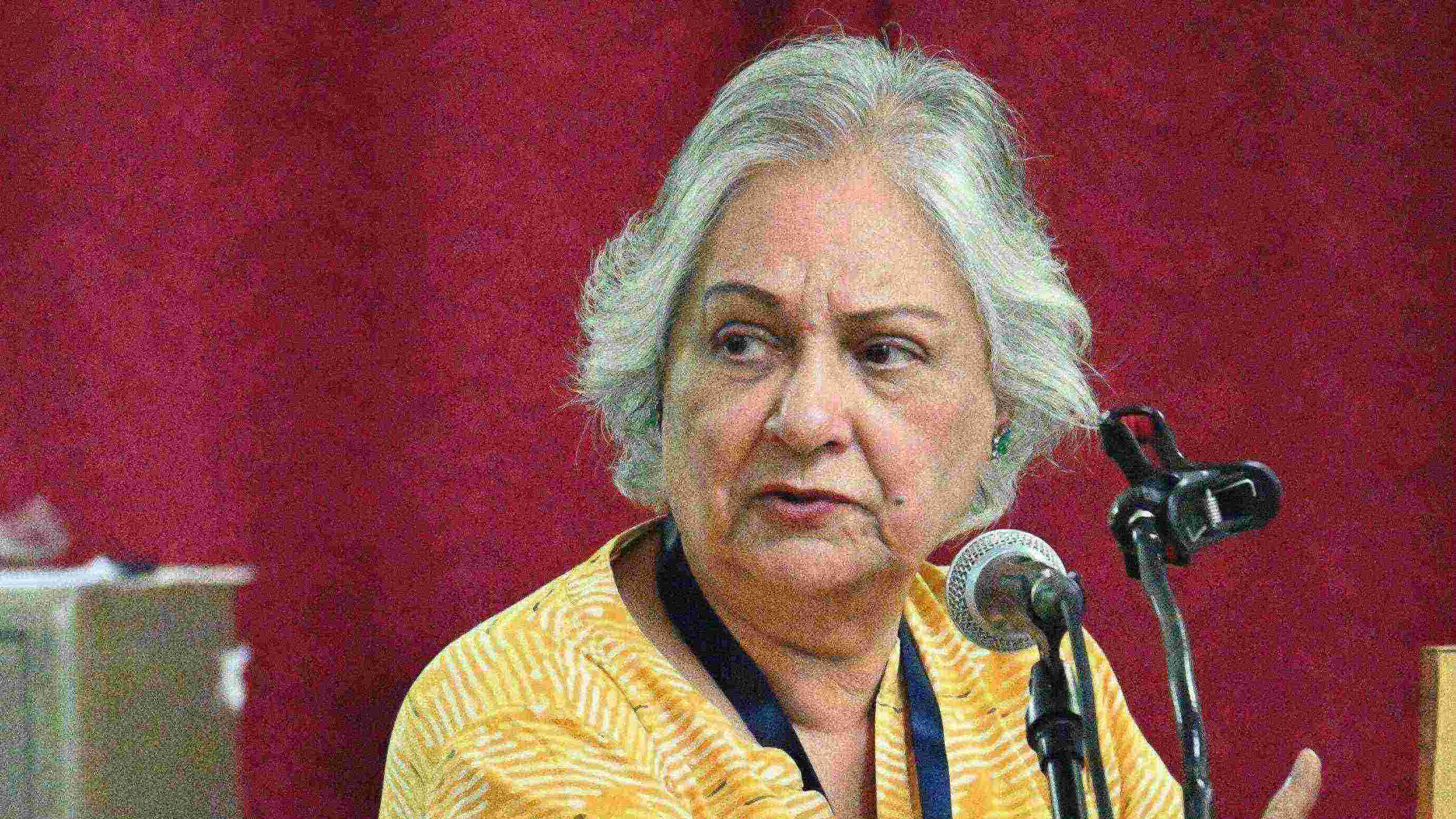 Carol Andrade
.png)
On April 17, in a rare show of unity, the Opposition came together to defeat a piece of legislation the Modi government was most keen to pass.
This was the Constitution (131st Amendment) Bill, 2026, along with two other Delimitation Bills that were automatically withdrawn once the first fell through.
That it fell through was not a surprise. The Opposition has always viewed the Delimitation exércise, aimed at increasing representation in Parliament from 543 to 850 MPs, based on the 2011 census, through the lens of suspicion.
Nor does it require a keen understanding of the political process to realise how this will benefit the BJP. The North, much less progressive, with human development indices usually well below the national average, outnumbers the developed, forward-looking South handily when it comes to population. So while Delimitation must be undertaken, assurances on various parameters are sought to ensure the South is not punished for its economic outlook.
So, where does the issue of women's reservation come into the picture? After all, the Nari Shakti Vandan Adhiniyam - or the Women's Reservation Bill - was passed in 2023 as the Constitution (106th Amendment) Act, 2023, guaranteeing 33 per cent reservation for them in the Lok Sabha, state legislative assemblies, and the Delhi Council. It came into force on April 16.
Days before the Delimitation Bill was due to be passed, the Prime Minister urged Parliament to come together "to support women" by ensuring a smooth process. With election rallies in full swing in TN and in West Bengal, both Modi and Home Minister Amit Shah kept the matter before the public eye. The mainstream media dutifully reported what they said.
After the defeat, a first for the NDA in 12 years, these voices were further amplified. The women of India would never forgive them, the PM thundered. The Opposition has clearly shown it was anti-women, he declared.
The facts are rather different. Observe the chronology. In 2023, the Women's Reservation Bill finally landed. It was passed UNANIMOUSLY, thus contradicting the claim that the Opposition is anti-women. On April 16, 2026, just a week ago, it came into force.
The Delimitation Bill to be passed was allegedly received by some members only on April 14. And it "built upon" the Women's Reservation Act, 2023, by linking its implementation to a future Census and Delimitation Exercise, possibly before the next general election in 2029.
That's what brought the Opposition together. Nor has the uproar died down yet. Why not implement women's reservation now, immediately? Why wait for Delimitation? Why should we accept assurances that the South will suffer when none of these has been laid down in the Bill itself, they ask.
The ruling party has some answers, but clearly, they are not convincing. But one thing is sure. We have not heard the last of this issue in its present form.
.jpg)
.png) Cedric Prakash
Cedric Prakash
 ICPA
ICPA
 ICPA
ICPA
 ICPA
ICPA
 ICPA
ICPA
 ICPA
ICPA
 ICPA
ICPA
.jpg)
 A. J. Philip
.jpg)
.png) Jacob Peenikaparambil
Jacob Peenikaparambil
.jpg)
.png) John Dayal
John Dayal