

.png) John Dayal
John Dayal
Many Christians could not celebrate Christmas last year. They were not all in remote villages or small towns. Even in metropolitan cities, some fellow believers spent a day in a police station on New Year's Day. But hope is of the essence; it is vital to acknowledge the gravity of recent years without surrendering to despair.
Researchers studying the situation of the Christian community in India seek the community's roadmap for democratic engagement, drawing strength from the Constitution, the moral leadership of institutions of Hierarchy and the common people, and the quiet courage of ordinary citizens.
And perhaps more, it seeks empathy from the state and the majority communities, even as it extends solidarity with the poor, referred so poignantly by Pope Leo's encyclical "Dilexi Te" (I have loved You): the landless, the Dalits and the Adivasis in their struggles for dignity, protection of the law, and sustenance.
The demand of the Christian community, too, is simple: equal rights, equal protection, and equal dignity under the law. Upholding these principles is not a concession to minorities but a test of the republic itself.
The All India Catholic Union (AICU), now in its 107th year, issued a New Year call that combined urgency with constitutional restraint. It framed violence against Christians as an assault not merely on a minority community but on the pluralistic foundations of the Indian republic itself. This position echoed a long-standing emphasis of the Catholic Bishops' Conference of India (CBCI): that the security and dignity of minorities are inseparable from the health of democracy and the rule of law.
This 2026 suggestion is grounded in that understanding. It does not seek privilege or regard for services in education and health in centuries past, but expects enforcement of constitutional guarantees.
This demands addressing not only violence, but also structural discrimination, administrative constraints, political marginalisation, and economic vulnerability, which Christians share with other religious minorities, and the Dalits and Tribals.
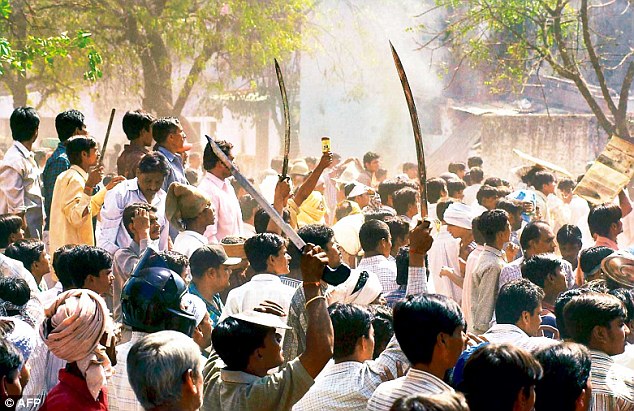
The violence of 2025 cannot be dismissed as spontaneous or episodic. It was enabled by a broader political climate in which hate speech, religious majoritarianism, and xenophobic narratives gained public legitimacy. Christians were repeatedly portrayed as "outsiders" or "conversion agents," despite centuries of rooted presence and service that predates independence in many regions.
Anti-conversion laws, now enforced in at least twelve states, played a central role. Though presented as safeguards against coercion, their application always inverts the burden of proof. Prayer meetings, carol singing, social work, and even private ex
Equally troubling was the gap between symbolic gestures and substantive action. The presence of the Prime Minister and Vice-President at Christmas events in 2025 was widely publicised and welcomed. It is hoped these gestures will at last translate into accountability for perpetrators.
Peace cannot be reduced to ceremonial harmony. It requires justice, institutional accountability, and consistent enforcement of the law. Selective application of legal protections corrodes public trust and weakens democracy. A people's movement needs to be built, with broad nationwide participation.
A central pillar in 2026 should be constitutional education. Articles 25 to 28 guarantee freedom of conscience, the right freely to profess, practise, and propagate religion, and safeguards for religious institutions. Yet these provisions are widely misunderstood or deliberately misrepresented.
Many Christians, particularly in rural and tribal areas, remain unfamiliar with the scope of their rights or the remedies available when those rights are violated. This knowledge gap leaves communities vulnerable to intimidation by vigilante groups, local officials, and political actors.
The Church has so far not been able to have a decentralised national effort to build constitutional literacy. This requires workshops at parish and diocesan levels, ecumenical initiatives across denominations, and partnerships with secular legal aid organisations.
Materials must be prepared in local languages and adapted to specific contexts, including tribal belts, urban informal settlements, migrant communities, and educational institutions.
Legal empowerment must follow education. In states where anti-conversion laws have been amended or aggressively enforced, legal clinics should be established to provide assistance with filing complaints, seeking anticipatory bail, and challenging false cases.
Among the most persistent injustices faced by Indian Christians is the exclusion of Dalit and tribal Christians from affirmative action protections. The denial of Scheduled Caste status to Dalit Christians, despite extensive evidence of continuing social discrimination, amounts to a religious penalty.
Similarly, campaigns to "delist" tribal Christians from Scheduled Tribe benefits rest on the unsubstantiated claim that conversion severs cultural identity.
Sociological evidence does not support these assertions. Many Dalit and Adivasi Christians continue to experience exclusion, compounded by the loss of legal safeguards.
Many National commissions that studied this issue supported the view that affirmative action should not be tainted by religious bias. Conversion does not erase caste-based or tribal discrimination.
The Dalit Christian issue is in the courts. It calls for sustained legal, political, and public advocacy to restore rights to them and to end delisting efforts targeting tribal Christians.
The CBCI has consistently framed these demands as matters of social justice rather than sectarian interest. The AICU's New Year Charter reiterates this position, urging Parliament and state governments to address a long-standing constitutional anomaly.
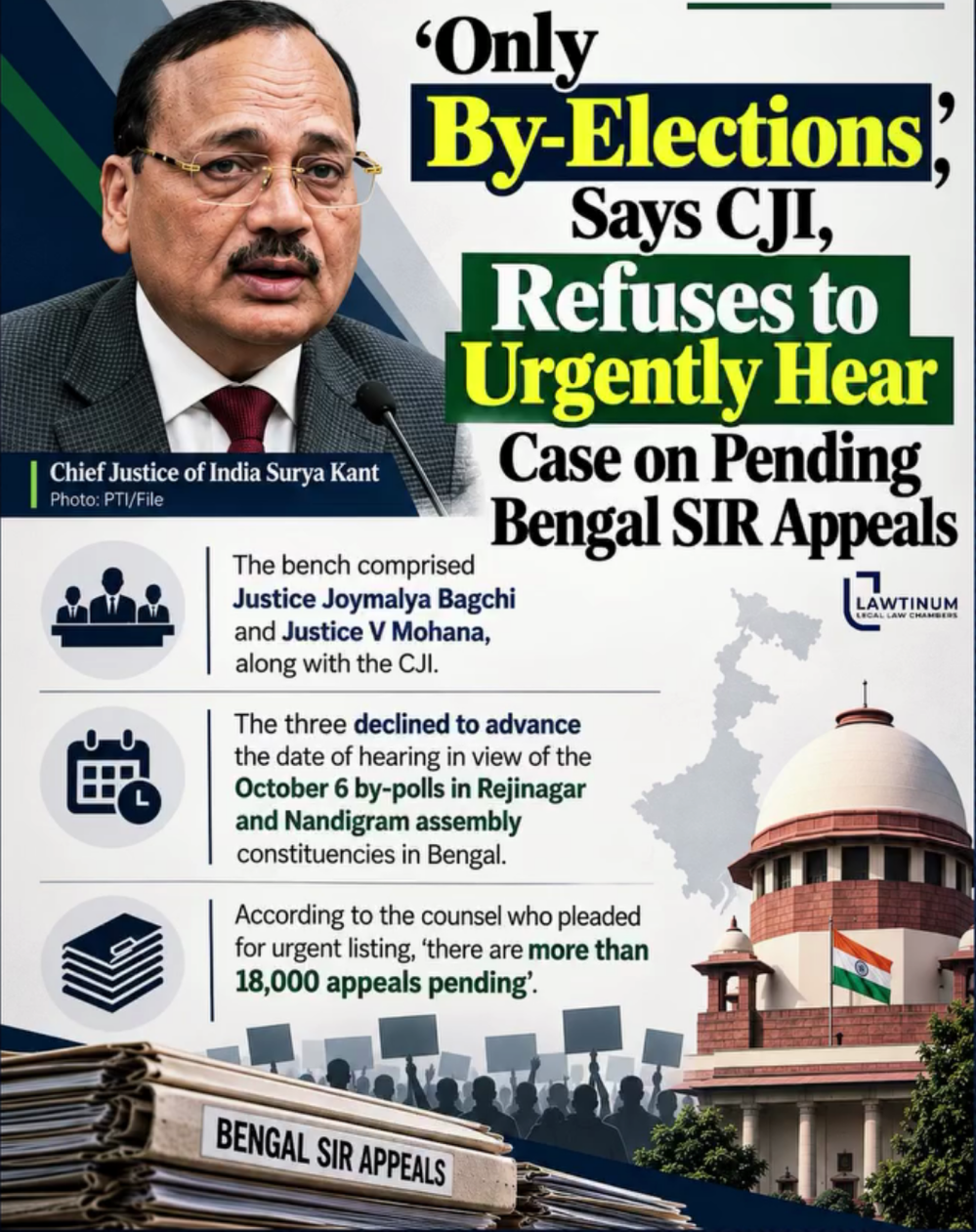
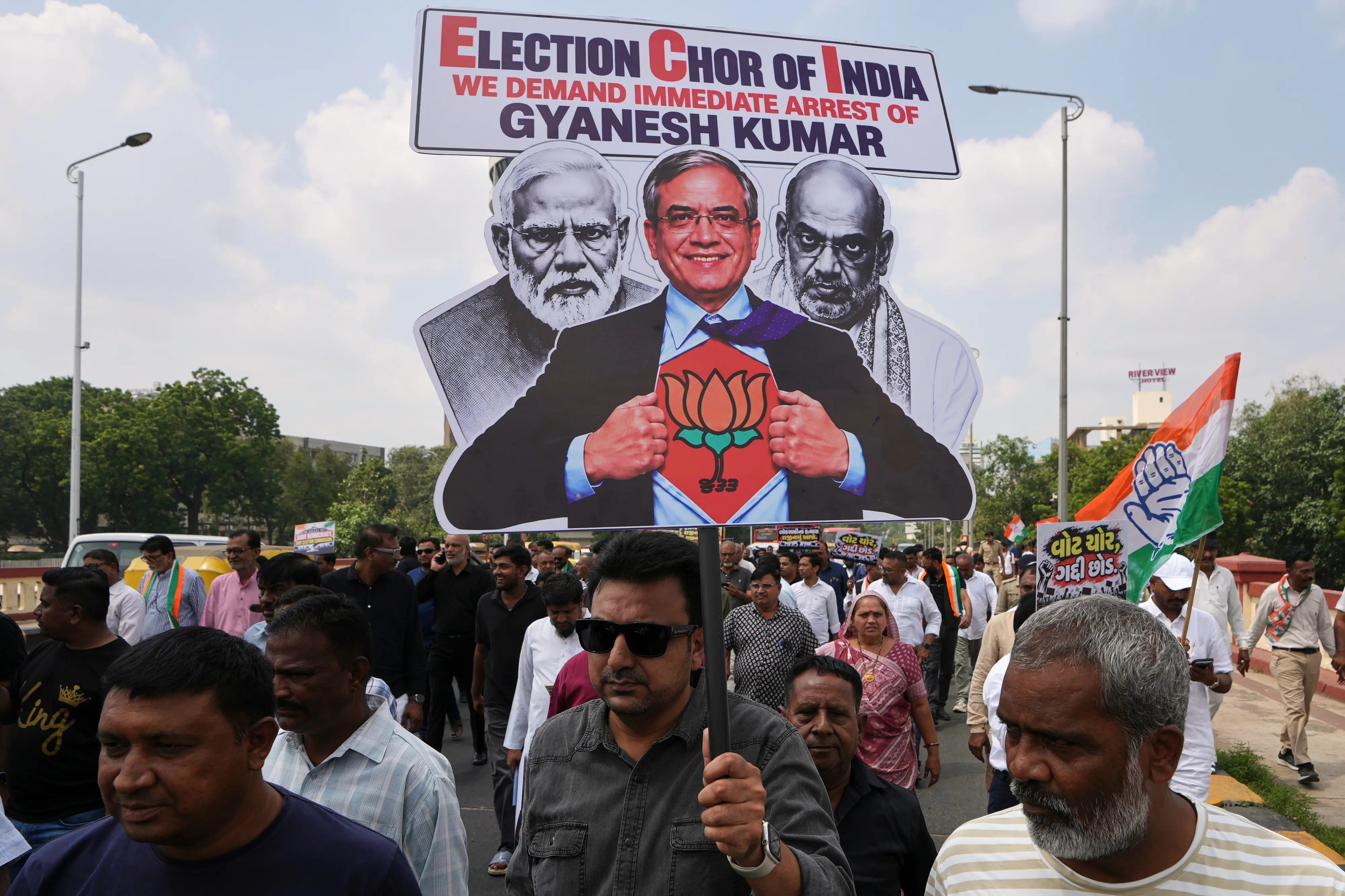
Irrespective of religion and community, democratic participation remains under strain. Reports of irregularities in electoral rolls, particularly in minority-dominated areas, have raised concern. Deletions, delays, and bureaucratic hurdles disproportionately affect the poor, migrants, and marginalised communities, including many Christians.
With elections approaching in several states, vigilance is essential. Community organisations should assist citizens in verifying enrolment, filing objections, and ensuring that eligible voters are not disenfranchised through administrative manipulation.
The apex umbrella bodies of Catholic and Protestant churches have repeatedly urged Christians to participate responsibly in public life, not as a voting bloc but as citizens committed to the common good. Protecting the integrity of electoral processes is integral to that responsibility.
The forthcoming census presents both opportunity and risk. Accurate data is essential for planning welfare, representation, and development. Yet in a polarised climate, there is a danger that census processes may be used to deepen divisions.
The programme calls for transparency, safeguards, and public awareness to prevent misuse of census data. Communities must be encouraged to participate without fear, and civil society must monitor processes for fairness and privacy protection.
Data collection should serve human development, not ideological agendas. Historically, the Church's engagement with census processes has focused on preventing erasure and misrepresentation of vulnerable populations.
Restrictions under the Foreign Contribution (Regulation) Act (FCRA) have imposed severe constraints on Christian institutions. Delays, non-renewals, and cancellations of licences have forced many NGOs working in education, healthcare, disability services, and rural development to scale down or close operations, often in areas where state services are limited.
Community leaders must strongly argue with the government, especially the Prime Minister's Office and the Ministry of Home Affairs, that genuine NGOs should not be treated as security threats. Transparency and accountability are legitimate requirements, but blanket suspicion undermines social welfare and violates principles of natural justice.
The AICU's call for restoration of FCRA licences to bona fide organisations reflects a broad consensus. The community has repeatedly highlighted the humanitarian consequences of these restrictions, particularly for the poorest citizens served, regardless of faith, by Christian NGOs.
Similarly, Christian schools and colleges have increasingly faced administrative interference, including pressure over holidays, curricula, and management. Politically spurred micromanagement and ideological intrusion threaten the autonomy guaranteed under Article 30 of the Constitution.
The new year calls for vigilance against encroachments that dilute constitutional protections, while reaffirming commitment to inclusive, high-quality education that promotes scientific temper, fraternity, and equality.
Violence and discrimination intersect with economic vulnerability. Many Christians, particularly in rural and informal sectors, remain among the poorest citizens, a fact that should embarrass the religious leadership as much as it should the governments of states and the Union.
Minority welfare must therefore be integrated into national anti-poverty schemes, rural employment programmes, and urban livelihood initiatives in an inclusive design that reaches marginalised communities. Vocational training, skill development, and educational support for Dalit and Adivasi youth are critical.
National and state minority commissions were established to safeguard rights and address grievances. Their effectiveness has been undermined by vacancies, limited powers, and political constraints.
The demand should be pressed for their revival and strengthening, with independence, adequate resources, and transparent procedures. Without credible oversight mechanisms, constitutional guarantees remain fragile.
Last, but possibly the most important, is the matter of unity.
Unity is not optional. Divisions along denominational, regional, or social lines weaken collective response. Ecumenical cooperation must move beyond symbolism to sustained collaboration. Equally vital is solidarity with other minorities and marginalised groups.
The challenges faced by Christians form part of a wider pattern affecting Muslims, Dalits, Adivasis, and dissenting voices. A rights-based alliance grounded in constitutional values is both ethically necessary and strategically effective.
In it lies security and the hope for a peaceful Christmas 2026.
.png) Cedric Prakash
Cedric Prakash
.JPG)
 A. J. Philip

.png) Jacob Peenikaparambil
Jacob Peenikaparambil
.jpg) John Dayal
John Dayal
.jpg)
 Pachu Menon
.png)
.png)
.png) Robert Clements
Robert Clements