


 Pachu Menon
.jpg)
The news that India has surpassed China as the world's most populous nation does sound ominous.
However, contrary to the widely held belief that India is experiencing an uncontrollable population explosion, recent data indicate that the country is facing a significant demographic shift characterised by a declining youth population and a rapidly ageing society.
Projections indicate that by 2050, the number of elderly individuals in India will nearly double. This shift, in which the elderly population is expected to surpass the number of children, poses an alarming challenge for the country's social support, healthcare, and economic infrastructure.
Based on the United Nations Population Fund (UNFPA) State of World Population 2025 Report and recent Sample Registration System (SRS) data, India's Total fertility rate (TFR) has dropped to approximately 1.9, which is below the replacement level of 2.1.
Declining fertility rates have already shifted the age distribution of populations upward in many economies. Assuming that current low-fertility trends will continue or accelerate, the demographic trajectory points to a future characterised by eventual widespread population contraction.
Rashtriya Swayamsevak Sangh (RSS) chief Mohan Bhagwat has warned that if the current demographic trend continues, society faces the risk of extinction, advocating for families to have at least three children to counter this.
However, his suggestion, articulated in late 2024 and re-emphasised in 2025, sparked significant uproar due to a combination of political, economic, social, and demographic factors.
The controversy was stoked primarily because the recommendation was seen as contradicting government family planning, ignoring economic constraints, and infringing on individual rights, particularly those of women.
Despite his assertions that this was for the "nation's interest" and that the birth rates are falling across all religions, the suggestion was heavily criticised as a "baby boom plan" that India could ill afford.
It is being argued that the country's shift from large families to smaller or single-child families is due to rapid modernisation, urbanisation, increased female education, and economic pressures, leading couples to invest more resources in fewer children for better social mobility, changing traditional norms, and a desire for improved quality of life.
Factors such as higher education for women, dual-income households, rising education/living costs, and shifting cultural values that value personal fulfilment over large kin networks drive this significant demographic transition.
According to an analysis by the Institute for Social and Economic Change (ISEC), this transformation reflects India's demographic shift from prioritising quantity to investing in quality, with the choice for a single child often a deliberate decision to improve parental capacity and the child's future.
India's 'Iron Lady' had envisaged, during her tenure, the "Hum Do, Hamare Do" concept as a pivotal, top-down strategy for national population control, aimed at accelerating economic development by limiting family size to two children.
The slogan popularised the notion that a small family was essential for national prosperity, aimed at reducing the burden on the country's resources.
Factors such as high infant mortality, lack of contraception/family planning, cultural emphasis on sons, and children serving as old-age support in the absence of social security, combined with traditional societal structures, encouraged larger families as an economic and survival strategy.
However, as the country modernised, Indian families shifted from large, extended structures to smaller units due to rising costs, increased female empowerment and career focus, better access to contraception, rapid urbanisation, moving away from the historical norm of large families, driving all efforts towards nuclear families and better standards of living.
It has also been observed that changes in relationship patterns, including living single, cohabiting, or marrying later, significantly contribute to declining fertility rates.
Research further shows that both fewer people forming partnerships and lower fertility within those partnerships are key drivers, with the intensity of childbearing within unions becoming more important recently, alongside shifts in marriage or cohabitation dynamics.
We are witnessing a major shift in family dynamics, where societal norms around when, with whom, and how many children people have are evolving, impacting relationship structures and overall well-being, moving beyond just marital status to encompass diverse choices and life stages, from having kids to choosing not to, influencing happiness and stress levels differently across cultures and development stages.
For that matter, modernity is fundamentally altering and generally lowering the fertility quotient globally - and India is no different.
As fertility dips below the replacement level of 2.1, communities risk population decline, requiring structural rather than just economic adjustments to ensure sustainability.
The long-term demographic survival hinges on moving from managing population growth to managing population decline, utilising policy to support, rather than coerce individuals in their reproductive choices.
.jpg)
.png) Cedric Prakash
Cedric Prakash
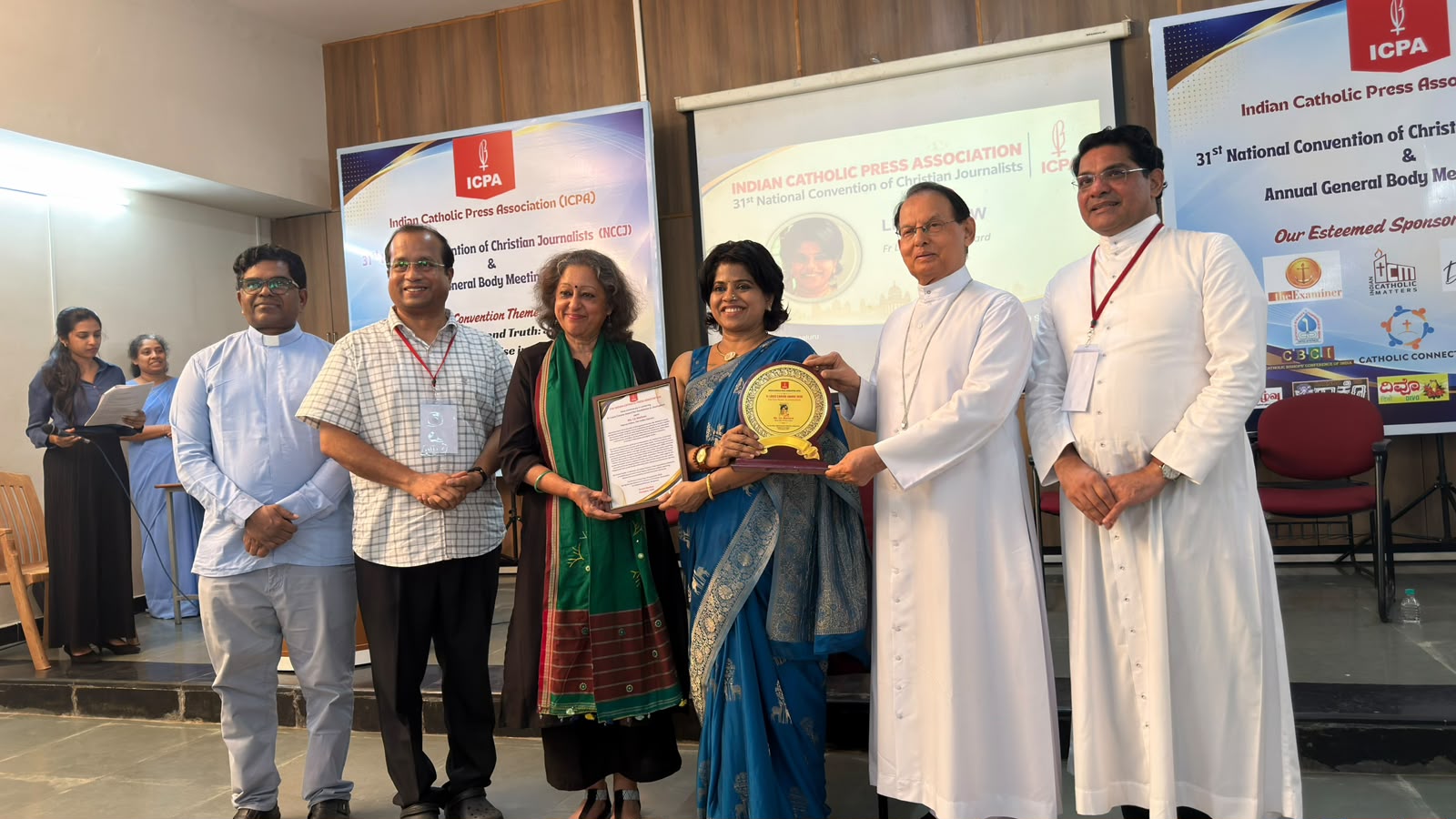
 ICPA
ICPA
 ICPA
ICPA
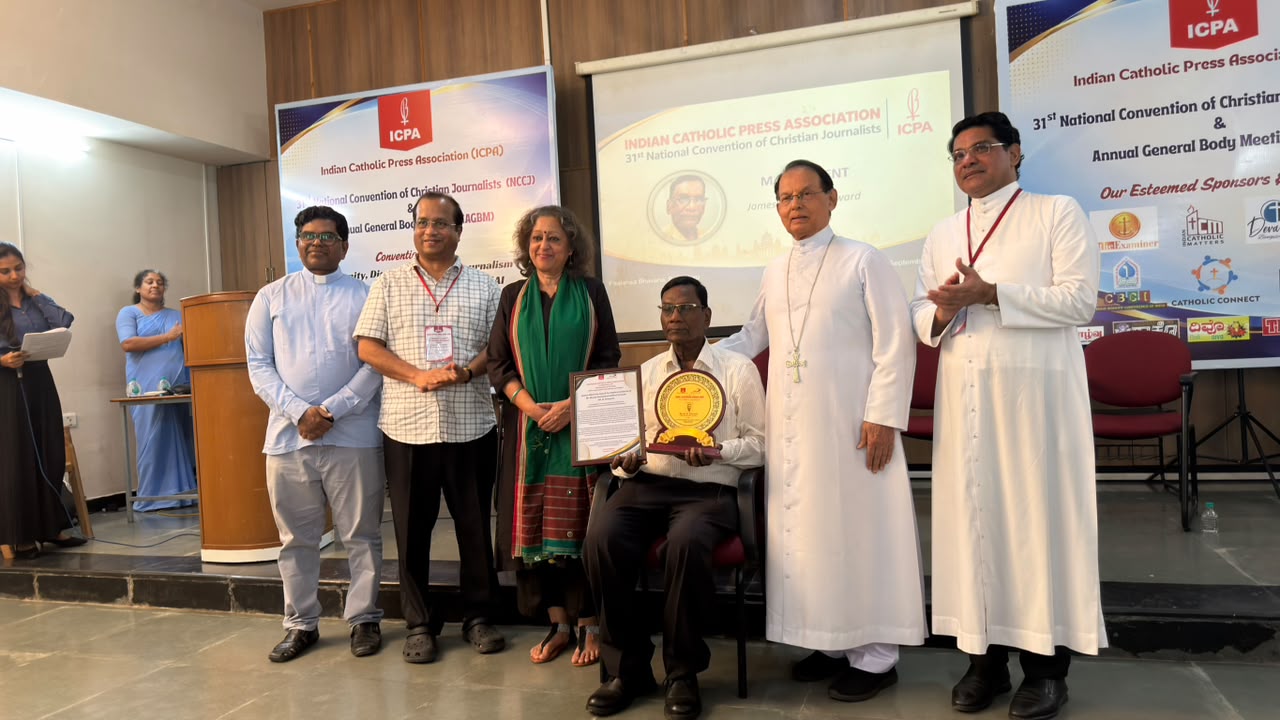 ICPA
ICPA
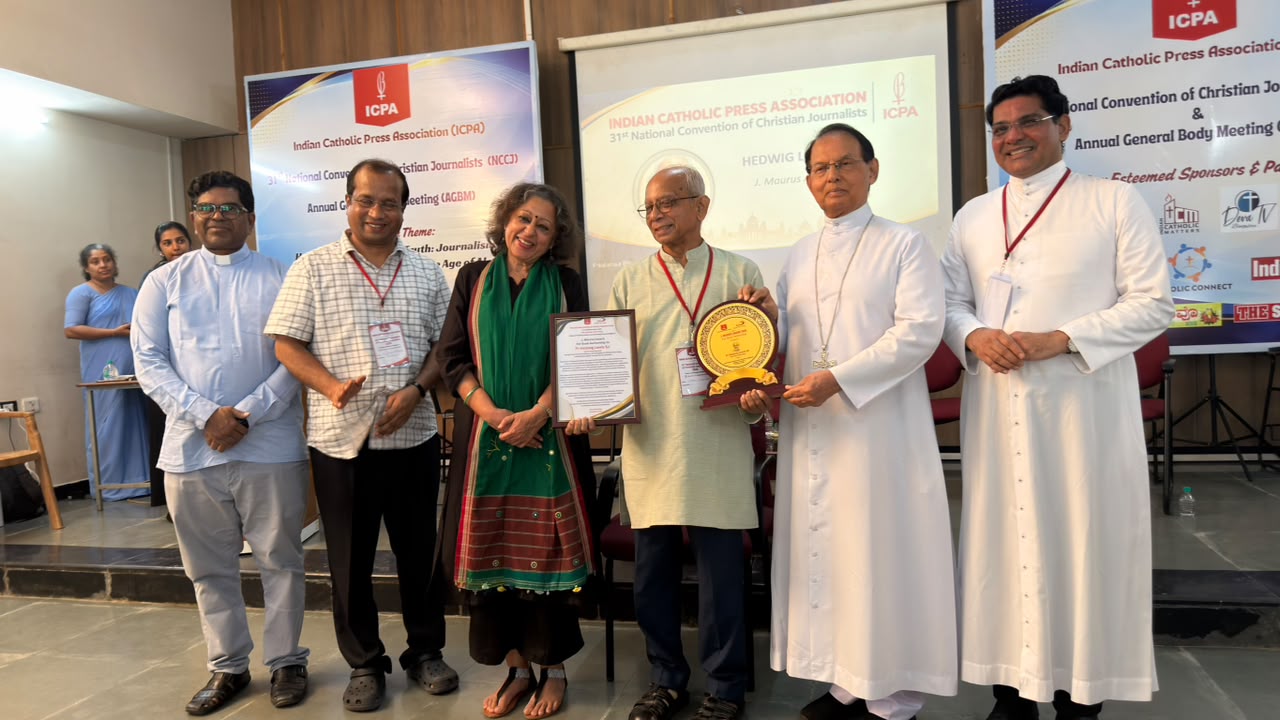 ICPA
ICPA
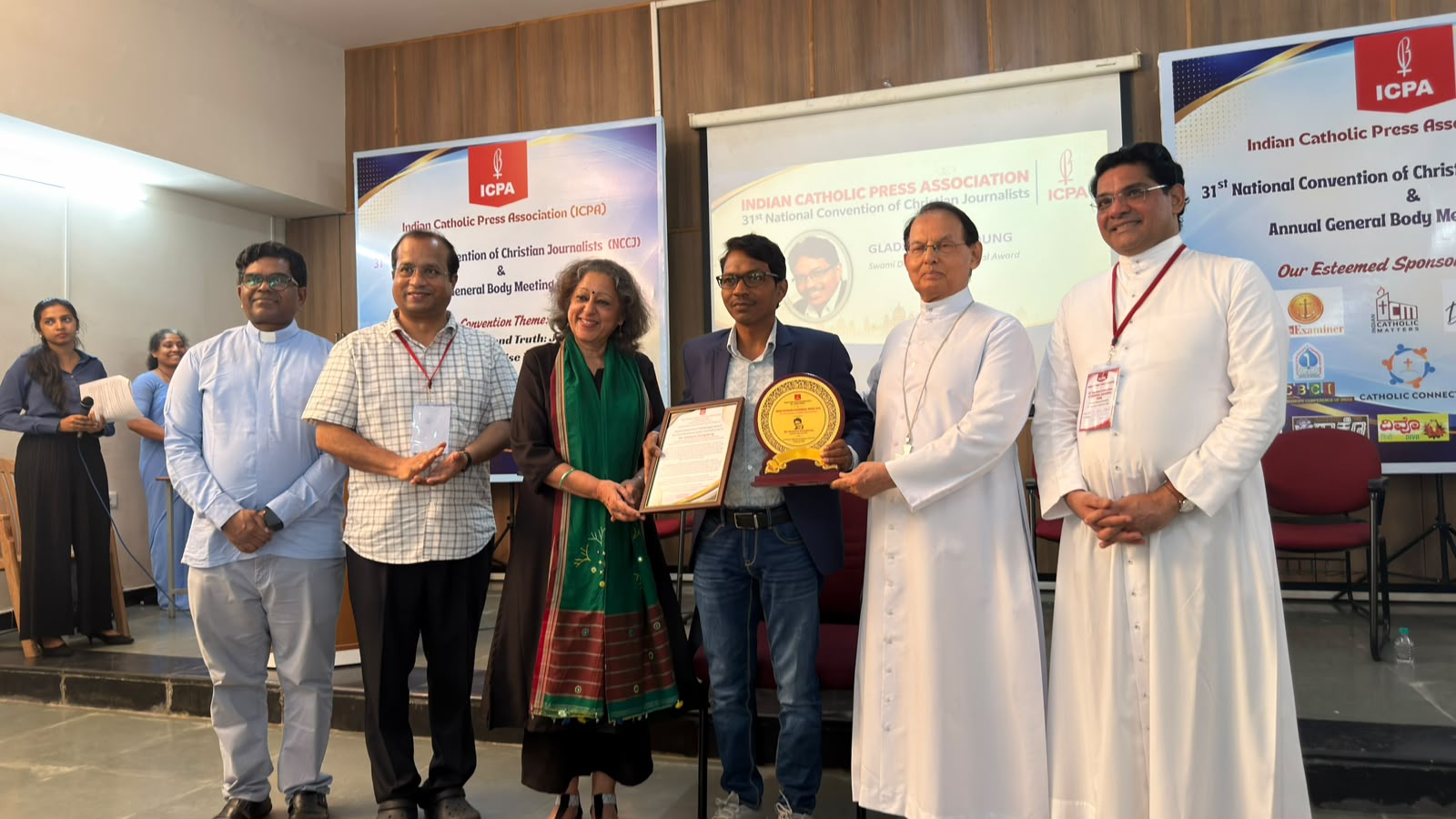 ICPA
ICPA
 ICPA
ICPA
.jpg)
 A. J. Philip
.jpg)
.png) Jacob Peenikaparambil
Jacob Peenikaparambil
.jpg)
.png) John Dayal
John Dayal