

.png) Joseph Maliakan
Joseph Maliakan
.jpeg)
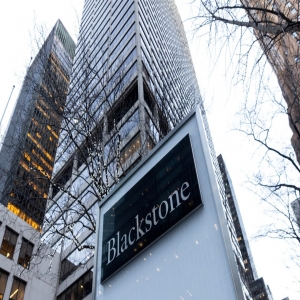
American Corporate giants Blackstone and Kohlberg Kravis Roberts & Co. (KKR) have been acquiring private hospitals in Kerala on a war footing. If not properly regulated, it will have very adverse consequences for the Kerala model of health delivery, which has been held up as a model for other parts of the country and the world.
The only motive for the corporate takeover of the private hospitals in Kerala is profit. They intend to introduce the medical care system prevalent in the USA, based on the principle "no health insurance, no treatment." In this system, the insurance companies decide what treatment the patient requires, not the doctors. Health facilities will be run by MBAs, not medical practitioners.
Kerala's health model is based on a 70:30 split between private and public facilities. While 70 per cent of private hospitals and clinics focus on curative medicine, public health facilities have a thrust on preventive medicine. Private hospitals charge patients based on the services they provide, while government medical facilities are free.
There was a time in Kerala when Ayurvedic and traditional medicine practitioners were present in every nook and corner of the state and effectively attended to the medical needs of the people, including setting complicated fractures and even ligament tears.
When Kerala had only four medical colleges, they were all centres of excellence. However, with the setting up of 14 more medical colleges, the quality of service has deteriorated due to a lack of facilities and adequate manpower.
In the sixties and even seventies, everyone knew the village dispensary doctor, and the doctor also knew almost everyone. The doctor was also available 24/7. With an increase in population, the building of superspeciality hospitals, and the spread of unwanted and unregulated testing facilities, doctors became non-persons.
Sixty years ago, there was at least one or two friendly neighbourhood hospitals in every Taluk or small towns run by one doctor and a few helpers. Until 2000, they provided essential services to the people at very low cost. But with the introduction of regulatory laws like the Clinical Establishments (Registration and Regulation) Act 2010, single-doctor establishments have become unviable.
Health is a state subject; nevertheless, the Act has been adopted by 19 states and Union Territories. Arunachal Pradesh, Assam, Bihar, Haryana, Himachal Pradesh, Jharkhand, Mizoram, Rajasthan, Sikkim, Telangana, Uttar Pradesh, Uttarakhand, and all Union Territories except Delhi. The Act applies to all types of diagnostic and therapeutic establishments belonging to all recognised systems of medicine, including single-doctor clinics. The only exception is Clinical Establishments run by the Armed Forces.
Quality control is necessary, but it has to be affordable quality. Anything aimed at profit will go against the poor. In a democratic socialist country, the poor cannot be denied treatment. Also, some diseases are not easy to diagnose, and complications should not be mistaken for negligence.
With corporates entering the health sector, health insurance will become mandatory, and expenses will double. Gradually and steadily, insurance companies will dictate terms for hospitalisation and treatment. Those without insurance will be denied treatment.
Here, it is worthwhile to look at the mottos of the two American Corporations. Blackstone, the world's largest alternative asset manager investing globally across private equity, real estate, credit, infrastructure and life sciences, managing over one trillion dollars in assets for institutional and individual investors by buying, building, and growing businesses for long-term value. KKR, a leading investment firm, aims to deliver strong returns and "shared success" to its clients.
Ultimately, these companies look to squeeze the market for what it is worth and what they leave behind is carnage, a broken system and heart-rending cries. Allowing them to gobble up Indian healthcare businesses without regulation is nothing short of welcoming the wolf into the house.
.jpg)
.png) Cedric Prakash
Cedric Prakash
 ICPA
ICPA
 ICPA
ICPA
 ICPA
ICPA
 ICPA
ICPA
 ICPA
ICPA
 ICPA
ICPA
.jpg)
 A. J. Philip
.jpg)
.png) Jacob Peenikaparambil
Jacob Peenikaparambil
.jpg)
.png) John Dayal
John Dayal