

.jpg) Little Sister Leelamma
Little Sister Leelamma
“Peace cannot be kept by force; it can only be achieved by understanding”--Albert Einstein.
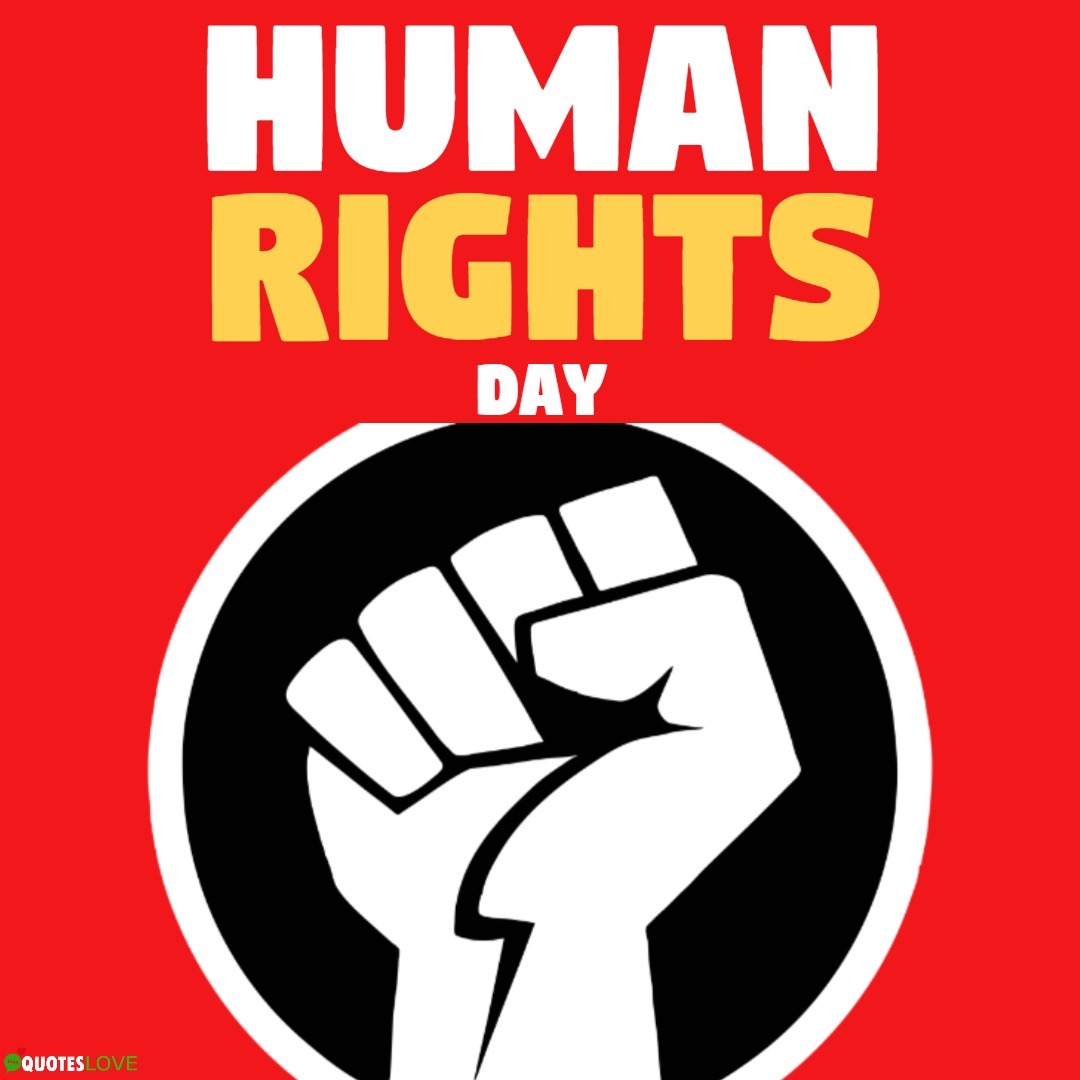
The theme chosen by the United Nations for this year on the occasion of Human Rights Day is on how rights are the beginning of peace within societies, and a way to create a fairer society for future generations. This solemn day inspires everyone to speak up and take action to end discrimination in all its forms, whenever and wherever it happens. Human Rights are universal rights that mean that everyone should be treated equally and with respect. People should not be discriminated on grounds of gender, race, color, sexual orientation, religion, nationality or place of origin. These are highly enduring principles and standards.
The essence of society is peace making. It involves change of mindset and loyalties and embracing a world perspective culture by surrendering our narrow mindedness and parochial considerations. The basis of peace and stability in every society is the fullest respect for the human rights of all people.
Peace as an attainable virtue
Peace is a possible and realizable vision. It is important to promote peace and open-mindedness in the society for happiness and prosperity. Throughout history, most societies lived in peace almost always. Today, we are much less likely to die in war than our ancestors, thanks to the establishment of United Nations and the creation of its Charter. Governments are now obligated not to use force against others unless they are acting in self-defense or have been duly authorized by the UN Security Council to proceed.
Life is always better in a world of peace. Like lotus in water, peace adds beauty and flavor to life. We look forward to those who are able to generate lasting impressions as peace keepers and peace makers. We owe individual responsibilities to make the world a more peaceful palace. Article 51 of the Constitution obligates our nation to endeavour to promote international peace and security and maintain just and honourable relations between nations.
Human Right to peace
Is the right to peace a Human Right? Indeed; it has intricate relationship with life, as peace and the conditions that support peace are essential to realize the right to health. Human Dignity, the foundation of all human rights provides a normative basis for the progressive realization of the right to life in peace. The magnitude of immense human sufferings and miseries caused to refugees and internally displaced persons on account of war, internal disturbance, external aggression and armed rebellion throws light on the necessity to realize the human right to peace in the society.
Peace is not a stand-alone human right, but is the consequence of the realization of all human rights. A life in peace is grounded in the principle of human dignity. Article 1 of the Draft Declaration on the Right to Life in Peace states: “Everyone is entitled to the promotion, protection and respect of all human rights and fundamental freedoms, in particular the right to life, in a context in which all human rights, peace and development are fully implemented”. The Preamble to the Universal Declaration of Human Rights adopted by the General Assembly of the UN in 1948 asserts that recognition of the inherent dignity and of the equal and inalienable rights of all members of the human family is the foundation of freedom, justice and peace in our world.
Peace is not ‘keeping quiet’
Peace is not ‘keeping quiet’. It is to call loudly for the ending of all violence-direct, structural, and cultural. UN General Assembly Resolutions on Declaration on the preparation of Societies for Life in Peace adopted in 1978 and the “Declaration on the Right of Peoples to Peace” adopted in 1984 are the UN instruments constituting the soft law and recognizing the right to peace. Thus, the right to peace strengthens the right to life and development. The Preamble of the Constitution of World Health Organization states that the health of all peoples is fundamental to the attainment of peace and security on this earth and this is dependent upon the fullest co-operation of individuals and States. In Re-Ramlila Maidan Incident case (2012), the Supreme Court of India recognized quietness and peace as part of an individual’s physical state.
Human Rights Day is being celebrated this year in the midst of Covid-19 pandemic. The theme chosen is unique for the reason that it focuses on bridging the gap in the sphere of human right protection by exhorting nations to take measures for ending all forms of discrimination, addressing inequality, encouraging participation and solidarity and thereby promoting peace and sustainable development. It has particular application for the present time in the context of sporadic and rising waves of human right violations which have now become a common phenomenon, remaining unanswered and unattended.
Making peace with Nature
Making peace with nature is the only pathway for fairer societies to tackle climate change, biodiversity loss and pollution, which are the three self-inflicted planetary emergencies of the 21st century placing the present and future generations at unacceptable risk. Our consumption and production systems are substantially damaging the environment and ecosystem. Therefore, there is a need to address environmental emergencies and human well-being together. We must set the planet to healing and make sure that the healing process lasts. Planetary emergencies are likely to cause more pain than COVID-19 in the long run. Realizing this reality, we must transform as fairer or more equal societies by valuing nature and focusing on its health at the heart of all our decisions.
Reverence for the nobility of a human being is the corner-stone of a body politic that believes in orderly progress. The essence of human dignity is not a momentary spark of light or a brief candle or a hollow bubble. Rather, it constitutes the core of all human rights. So much so, when dignity is lost, the breath of life gets into oblivion. What can be more important than dignity? Right to human dignity is available to all people -- women, youth, minorities, persons with disabilities, indigenous people, migrant workers and the like. However, today their voices are seldom heard in public life and they are often neglected in political decision making.
Emergence of new Rights
A close glance at the past makes it known that new rights are getting shaped and gaining acceptance within the ebb of human rights, such as the rights of the elderly; the right to the truth; the right to dissent, the right to a clean environment, water and sanitation, the right to food and so on. A growing consensus is emerging at the international scenario that business enterprises and corporate houses have equal human rights responsibilities. It is a fact that people have now become increasingly conscious of their rights. This should ultimately lead to peace and harmony in society.
Poverty, a challenge to rights
Poverty prevails as the gravest human rights challenge these days and combating it is not a matter of charity. Poverty not only leads to insecurity in individuals and their lives, but also contributes to broader instability and conflict. Poverty is a cause and a product of human right violations. Often people whose rights are denied, the victims of discrimination or persecution are more likely to be poor. They have little access to basic services and resources. Poor people cannot enjoy their right to education, health and housing simply because they cannot afford them. Poverty can affect all human beings. Yet poverty is rarely seen through the prism of human rights. Our fight against poverty should not be seen as a mere aspiration, but a duty for the meaningful realization of human rights.
Sustainable Development is the minimum guarantee for people and the universe. It cannot be achieved without addressing poverty, inequality and climate change and without establishing peace, solidarity and justice. The crying need of the hour is to integrate human rights into development. We must put an end to hunger, ensure good health and well-being, provide quality education to children, enforce gender equality and thereby achieve peace and order in society. For this, a new social contract and a new school of thought respecting and fulfilling human rights must emerge. Rights survive by the eternal vigilance of her citizens.
The 2030 Sustainable Development Agenda with 17 laudable goals to be achieved for transforming the world and the Paris Climate Agreement of 2015 for tackling climate change should guide all core State actions and climate measures. The need of the hour is to build a sustainable future that can secure human well-being on a healthy planet. The renowned lithograph, ‘Dove of Peace’, designed by the illustrious Spanish Painter Pablo Picasso and accepted as the modern symbol of peace must encourage people to live a fruitful life filled with peace, hope and love. The time is always right to do what is right. Let us move forward with infinite enthusiasm, infinite daring and infinite patience as dedicated individuals of a peaceful and harmonious society to achieve a just social order and human progress.
(The writer is a prominent Lawyer, an acclaimed writer and a distinguished academician based in Kochi)
.jpg)
.png) Cedric Prakash
Cedric Prakash
 ICPA
ICPA
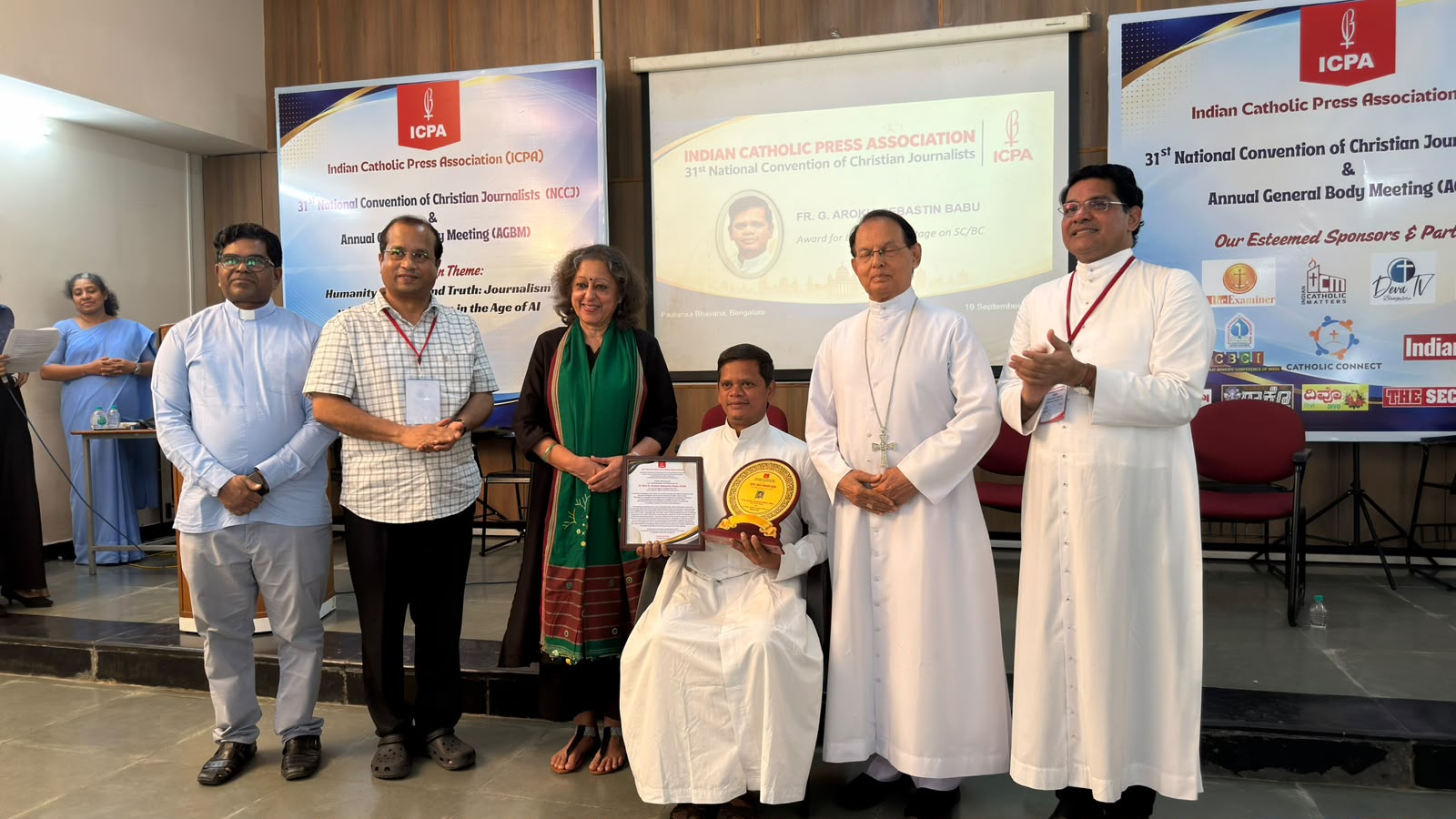 ICPA
ICPA
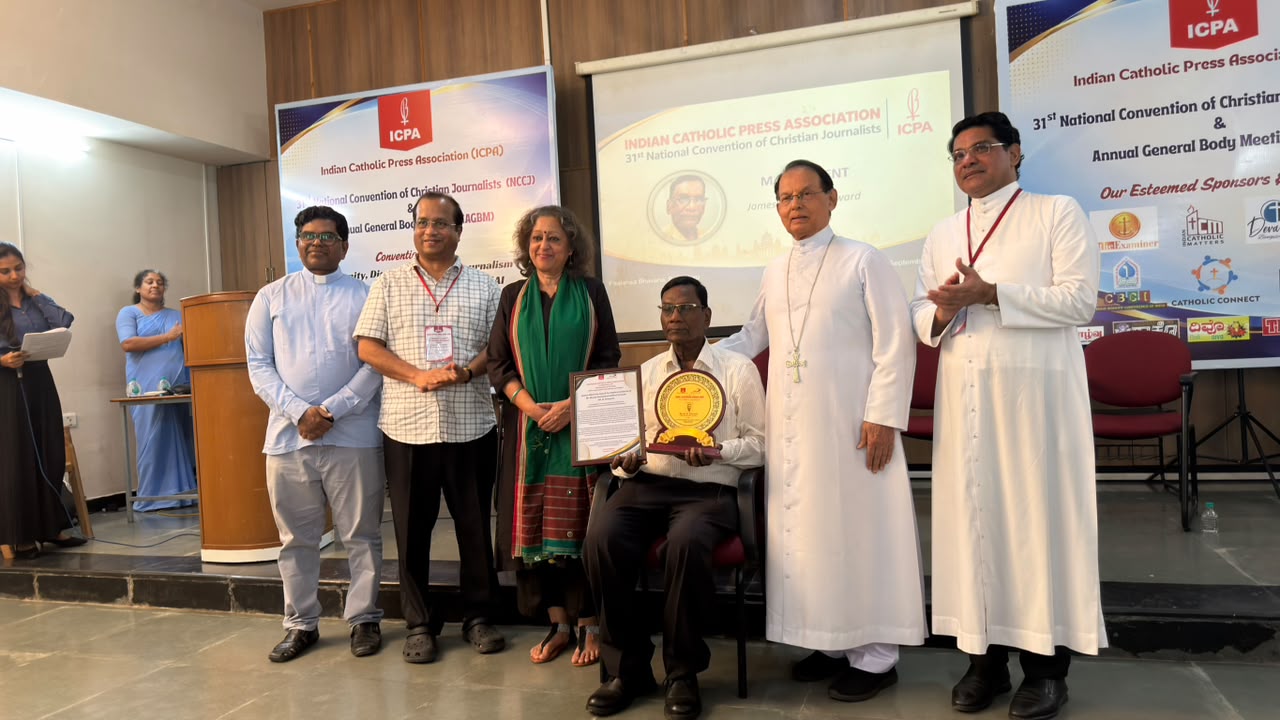 ICPA
ICPA
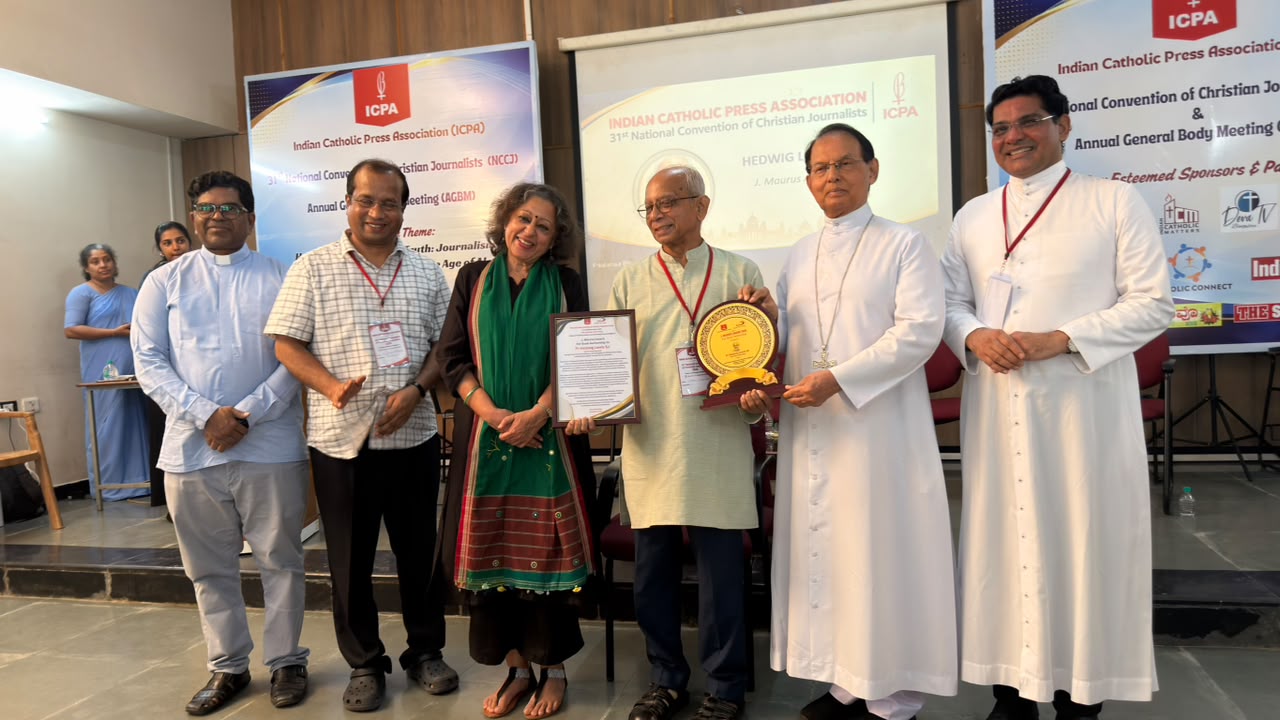 ICPA
ICPA
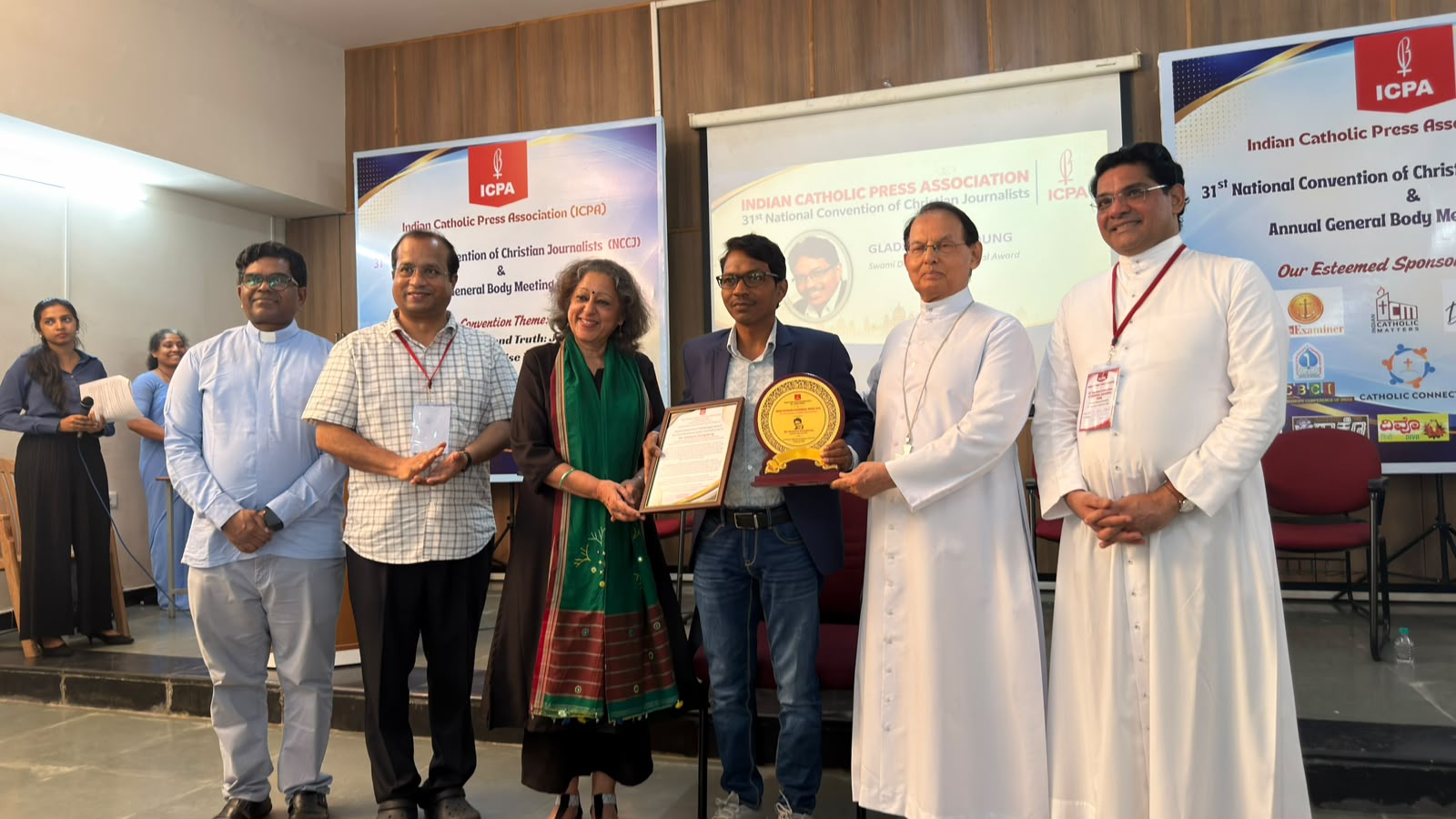 ICPA
ICPA
 ICPA
ICPA
.jpg)
 A. J. Philip
.jpg)
.png) Jacob Peenikaparambil
Jacob Peenikaparambil
.jpg)
.png) John Dayal
John Dayal