


.png) Joseph Maliakan
Joseph Maliakan
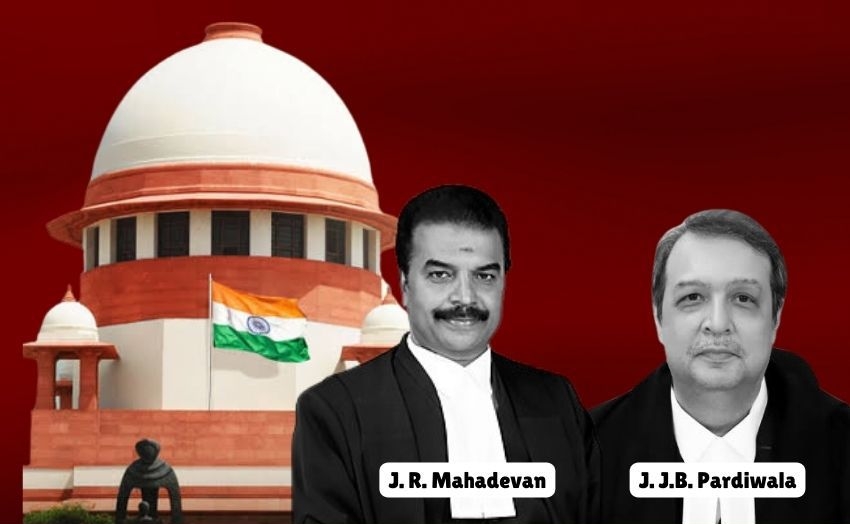
The Supreme Court on May 23, 2025, set aside two First Information Reports (FIRs) registered against Vinod Bihari Lal (also known as Rajendra B. Lal), the Vice-Chancellor of the Prayagraj-based Sam Higginbottom University of Agriculture, Technology, and Sciences (SHUATS), for allegedly illegal religious conversions.
In the FIRs registered in July 2018, the UP Police alleged that Lal and one David Dutta formed a gang to commit economic offences involving fraud and cheating for personal and material gain by forging documents. The police also alleged that Lal misused Rs 34.5 crore received from foreign sources to fund illegal religious conversions. The FIRs were registered under the Uttar Pradesh Gangsters and Anti-Social Activities (Prevention) Act, 1986, and the Uttar Pradesh Prohibition of Unlawful Conversion of Religion Act, 2020.
The police investigated and submitted a chargesheet, under which a trial court issued non-bailable arrest warrants against the two in February 2023.
The Supreme Court bench, comprising Justice JB Pardiwala and R Mahadevan, in its order, stated that the chargesheet prepared against Lal and another accused was merely a reproduction of the FIR. The rules were thrown out of the window as a mechanically drawn, pre-prepared gang chart was "rubber stamped" by the competent authority without following the mandate under the Gangster Act that laid down the process of consultation, followed by the satisfaction of senior police officials and district authorities.
Finding that nothing of this was done before registering the FIR against Lal in 2018, the SC bench pointed out: "Resultantly, the registration of the subject FIR is in complete violation of the procedural safeguards. We are at pains to observe that authorities entrusted with the solem duty of safeguarding the life and liberty, treat it with such casual indifference, truly a case of the fox guarding the henhouse."
The Bench further stated that a review of the case files reveals that no investigation was conducted by the police, and the chargesheet, a reproduction of the FIR, concluded that the accused are guilty without providing any documentary evidence.
"The contents of the chargesheet reflect a casual and cavalier attitude on the part of the investigating agency, as it discloses nothing beyond what was already stated in the subject FIR. We strongly disapprove of this practice and cast into the cold storage wherein the investigating authority proclaims an offence be 'proved,'" the order said.
The judgement authored by Justice Pardiwala further said that a mechanical or routine exercise of power by the recommending, forwarding and approving authorities, respectively, is impermissible, as it directly impinges upon the liberty of citizens ...we would like to reiterate that the recommending forwarding, and approving authority are not mere rubber-stamping entities.
The order reminded the investigating agency of its job to conduct an impartial investigation and leave it to the trial court to determine the guilt or the innocence of the accused. Senior advocate Sidharth Dave, who appeared for Lal, pointed out that the FIR under the Gangster Act was based on three base FIRs registered in 2017. While a gang requires more than one person, the co-accused, Dutta, is not named in any of the FIRs.
In this context, the Supreme Court order said: "This selective approach raises serious doubts about the bonafides of the investigating agency and integrity of the investigation undertaken under the Act of 1986." Dave also questioned the "mechanical preparation of the gang chart, highlighting how, at every stage, the UP Gangster Rules 2021 stood violated.
The Bench further said that "Upon perusal of the material on record, more particularly the gang-chart, it is abundantly clear that the said gang-chart was approved by the competent authority merely by affixing his/her signature on a pre-printed gang-chart, an act that reflects nothing short of a complete non-application of mind and constitutes a violation of Rule 16 and 17 of 2021 Rules ... Such a safeguard is integral to preserving the procedural sanctity of law and preventing arbitrary or perfunctory approvals that may adversely affect the rights and liliberties of individuals."
The investigation by the police only raises "conjectures and surmises" without establishing a prima facie case. Therefore, the Bench concluded that "continuation of criminal proceedings against the appellant herein would result in undue harrassment when there is no material against him and will result in the abuse of the process of law."
The Supreme Court had earlier, on May 16, 2025, suspended criminal proceedings before the trial court in Uttar Pradesh over five cases lodged against the Vice-Chancellor of the Sam Higginbottom University and others for alleged illegal conversion of Hindus to Christianity.
Senior lawyer Mukta Gupta, appearing for one of the accused, had pointed out that testimony of none of the alleged victims of conversion, who were lured into Christianity, was recorded by the state police.
Over the last four years, 835 cases have been registered, resulting in the arrest of a total of 1,682 people under the Uttar Pradesh Prohibition of Unlawful Conversion of Religion Act, 2020. So far, 124 people named in complaints have been cleared after their involvement could not be proven. The law has so far resulted in the harassment of ordinary people, according to social observers.
.jpg)
.png) Cedric Prakash
Cedric Prakash
 ICPA
ICPA
 ICPA
ICPA
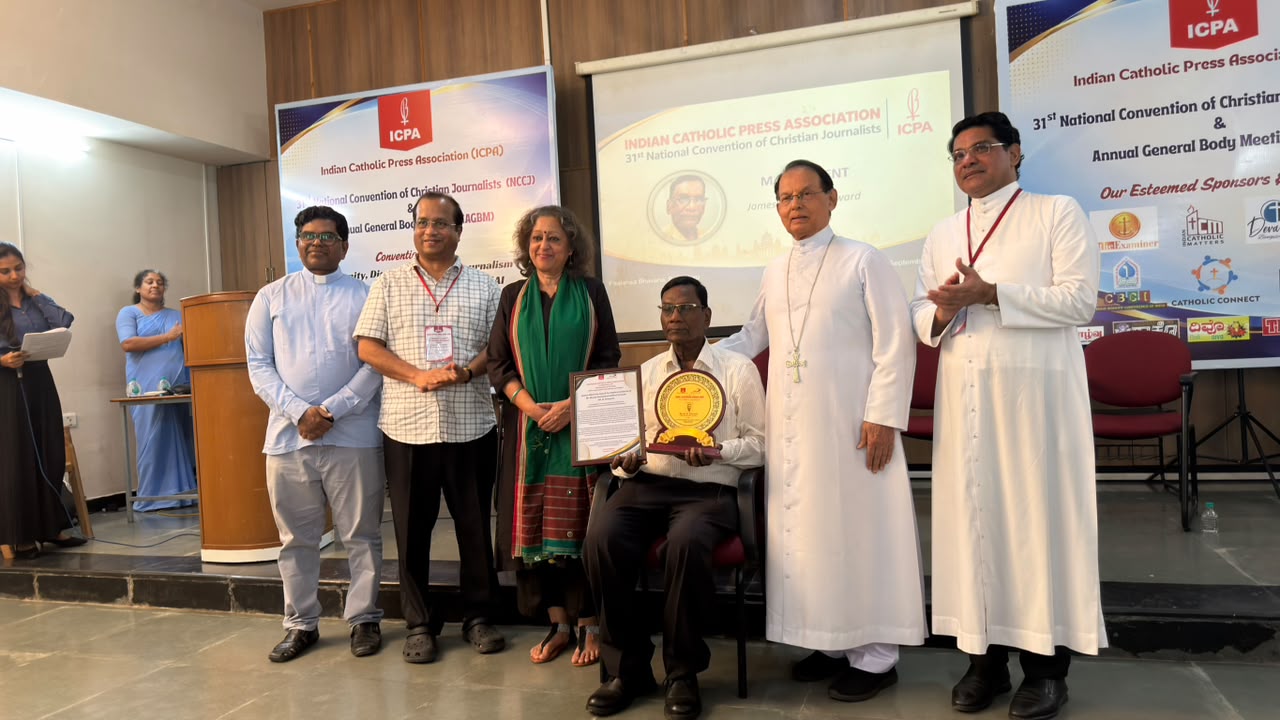 ICPA
ICPA
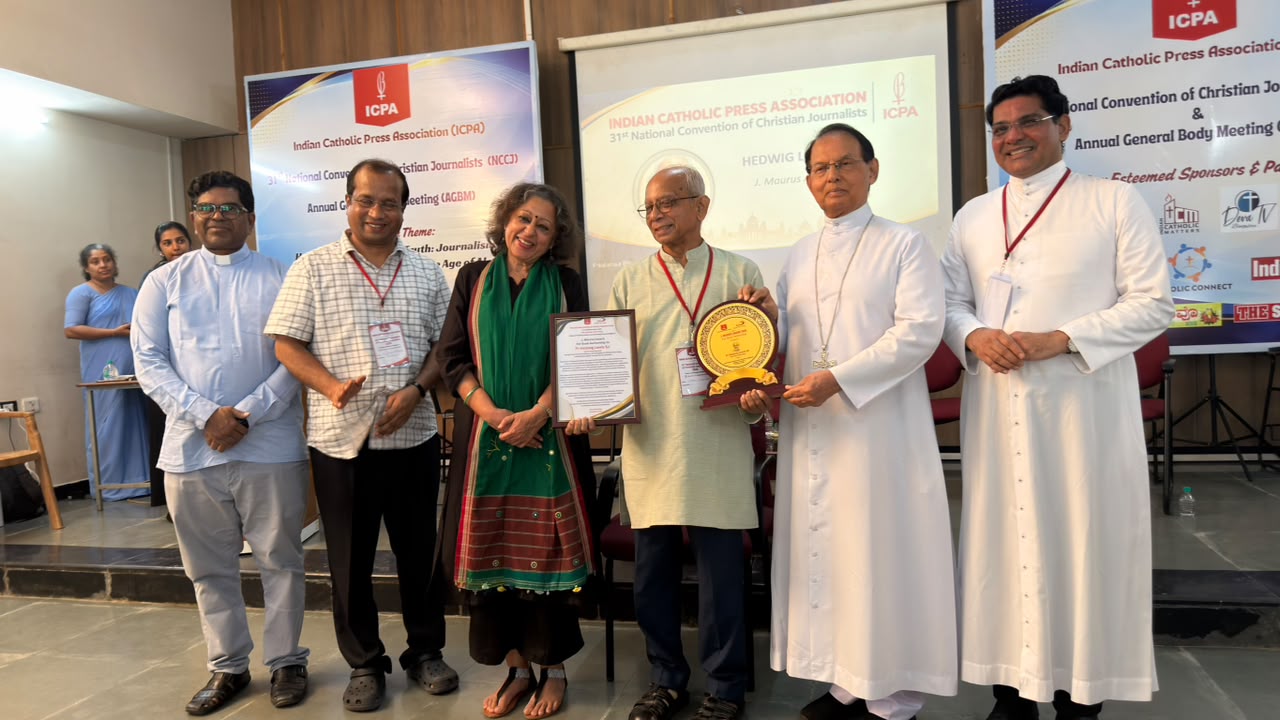 ICPA
ICPA
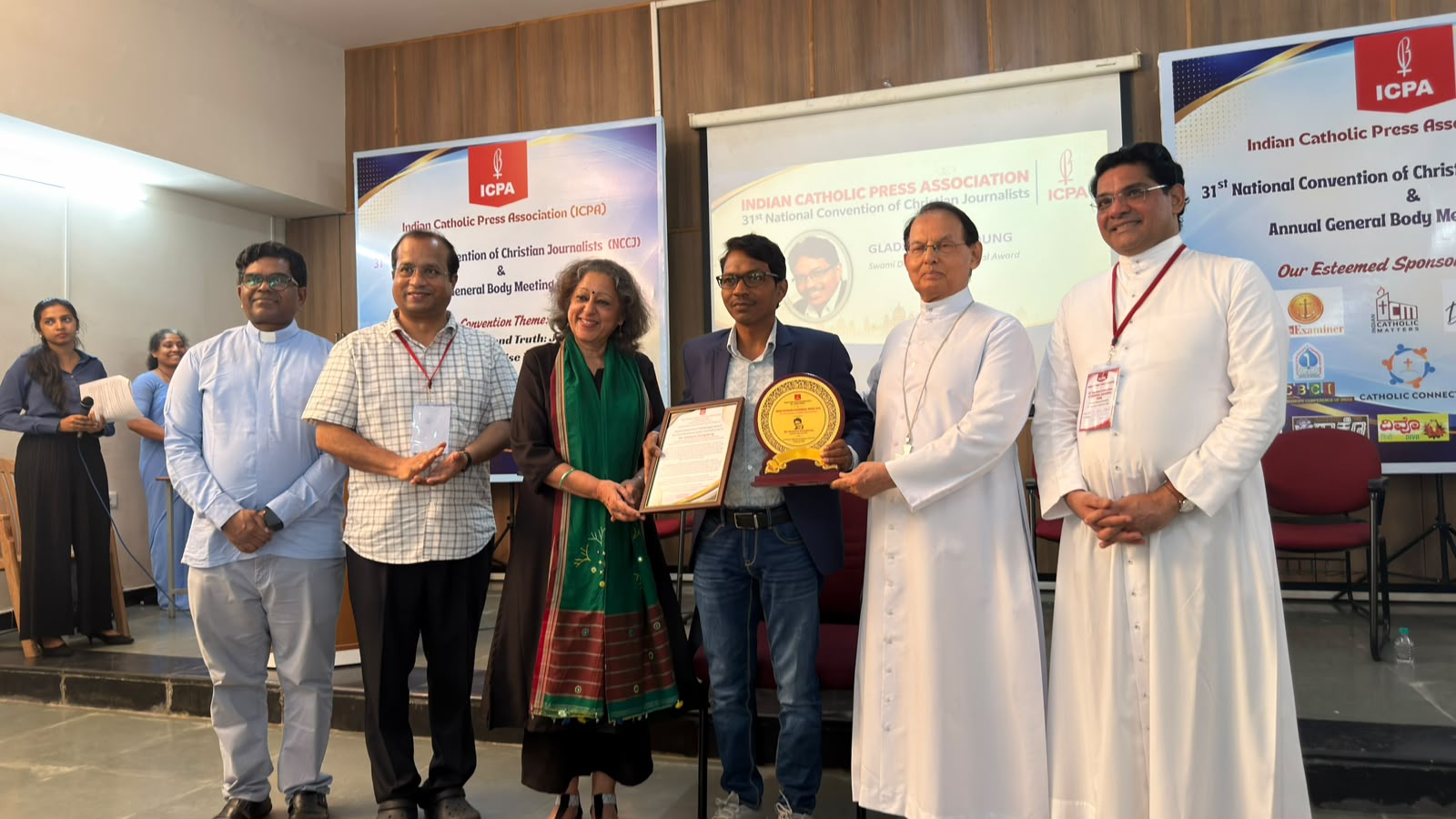 ICPA
ICPA
 ICPA
ICPA
.jpg)
 A. J. Philip
.jpg)
.png) Jacob Peenikaparambil
Jacob Peenikaparambil
.jpg)
.png) John Dayal
John Dayal