

.png) Robert Clements
Robert Clements
.png)
As I walk through New York, I notice the dogs. They stride along the pavements, chests puffed out, tails swinging like they pay property tax. Their ex
The dogs seem unbearably smug.
I am about to feel impressed when something metallic catches my eye. Collars. Thick ones. Polished ones. Designer ones. And from those collars hang leashes. Very efficient leashes. Very obedient leashes.
'One minute,' I tell them. 'Look at your collar. Look at your leash. You live among skyscrapers but you cannot cross the road without permission. You sniff freedom but cannot taste it. What use are bridges and tunnels when someone else decides how far you may walk.'
The dogs stare back. Some bare their teeth. One lifts a leg near a parking meter. Point taken.
Then my thoughts drift home. 'Look at our temples. Look at our laws that promise to protect us from imaginary lovers from other religions. Look at our metros that glide like silver snakes. Look at our coastal roads and highways that curve like ribbons in glossy brochures.'
And then I whisper the same question. 'What is the use?'
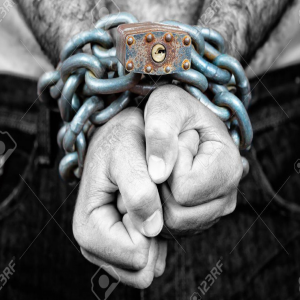
What is the use of temples when fear decides our prayers? What is the use of laws when they silence others rather than protect? What is the use of highways when conscience is stuck in traffic? We have chains, too. Only ours are invisible. Much harder to notice. Much harder to remove.
In our country, corruption strolls openly like a respected uncle. Nothing moves without an envelope. Not files. Not favours.
Sadly, very often, not even funerals.
Our poor grow thinner while our slogans grow fatter. Our anger is carefully directed at safe minority targets. Our courage is reserved for social media comments typed from behind locked doors. Freedom of speech exists as a much-quoted line in our Constitution.
Meanwhile, the dogs of New York continue their walks. They know they are chained. They accept it. They tug occasionally. They bark when annoyed.
There is honesty in that leash.
Our chains are more sophisticated. They are decorated with religion. Polished with patriotism. Justified with fear of 'the other.' We are told someone is always trying to convert us. Someone is always seducing our daughters.
Someone must always be blamed so that no one notices the collar tightening.
The dogs bare their teeth at me again. I smile back. At least they know who holds the leash.
We, on the other hand, admire the collar. We defend it. We decorate it. And we insist we are free because the chain is made of belief, tradition and tonnes of lies.
Thick chains indeed.
'Sadly, the most dangerous kind are the ones you cannot see!' laugh the dogs of New York.
.jpg)
.png) Cedric Prakash
Cedric Prakash
 ICPA
ICPA
 ICPA
ICPA
 ICPA
ICPA
 ICPA
ICPA
 ICPA
ICPA
 ICPA
ICPA
.jpg)
 A. J. Philip
.jpg)
.png) Jacob Peenikaparambil
Jacob Peenikaparambil
.jpg)
.png) John Dayal
John Dayal