

.png) Robert Clements
Robert Clements
.png)
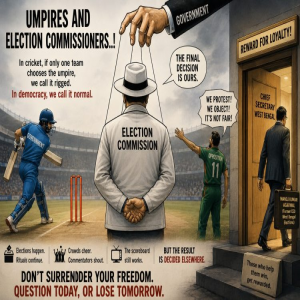
Imagine a cricket match in which only one team can choose the umpire.
The other team can complain. They can object. But finally, the decision rests with that one team.
Would we call that cricket?
Not for one second.
Television commentators would explode with outrage. Former cricketers would hold heated discussions in studios with giant screens behind them. We would hear the word "rigged" shouted from every direction.
And rightly so.
Because the first thing people look for in any game is fairness.
Yet strangely, when it comes to our democracy, we seem willing to quietly surrender the very thing we would scream about in sport.
The Supreme Court has observed that the selection of the Election Commissioners and the Chief Election Commissioner effectively remains in the hands of the government. An opposition member may sit on the committee. May speak. May protest. But being only one of three, and the other two from the ruling party, he or she is a mere spectator in a match that has already been decided.
And what surprises me is not the ruling. But our silence.
Perhaps freedom from the British came too easily to us. Most of us never fought for it personally, nor did the ruling party members go to jail for it. The freedom fighters who struggled, marched, went to prison and sacrificed careers understood the value of democratic institutions. They knew that once institutions become weak, freedom itself begins to wobble.
Today, we are content with appearances.
As long as elections happen, we think democracy exists.
As long as people stand in queues and press buttons on voting machines, we tell ourselves all is well.
As long as the rituals continue, we do not ask whether the spirit behind those rituals is slowly disappearing.
Imagine after a controversial cricket series, the umpire who repeatedly favoured one team was immediately rewarded with a luxurious position on the cricket board. The public outrage would be deafening.
Yet when similar things happen in public life, many simply shrug.
We are now told that the former Chief Electoral Officer of West Bengal, who oversaw the 2026 assembly elections, has been appointed the new Chief Secretary of West Bengal.
Howzatt!
The moment citizens begin to feel that the umpire belongs to one side, the game is over.
And that is the danger before us today.
Not dictatorship by tanks. Not an emergency rule. But something far more dangerous. Which is a democracy where the scoreboard still works, the crowds still cheer, the commentators still shout, the players still walk onto the field, but where the result is quietly managed beforehand.
And once people stop believing their vote can honestly change the outcome, they stop fighting, stop hoping, and finally stop caring.
That is how democracies die.
Not with gunfire. But with applause from people who think the match is still real...
.jpg)
.png) Cedric Prakash
Cedric Prakash
 ICPA
ICPA
 ICPA
ICPA
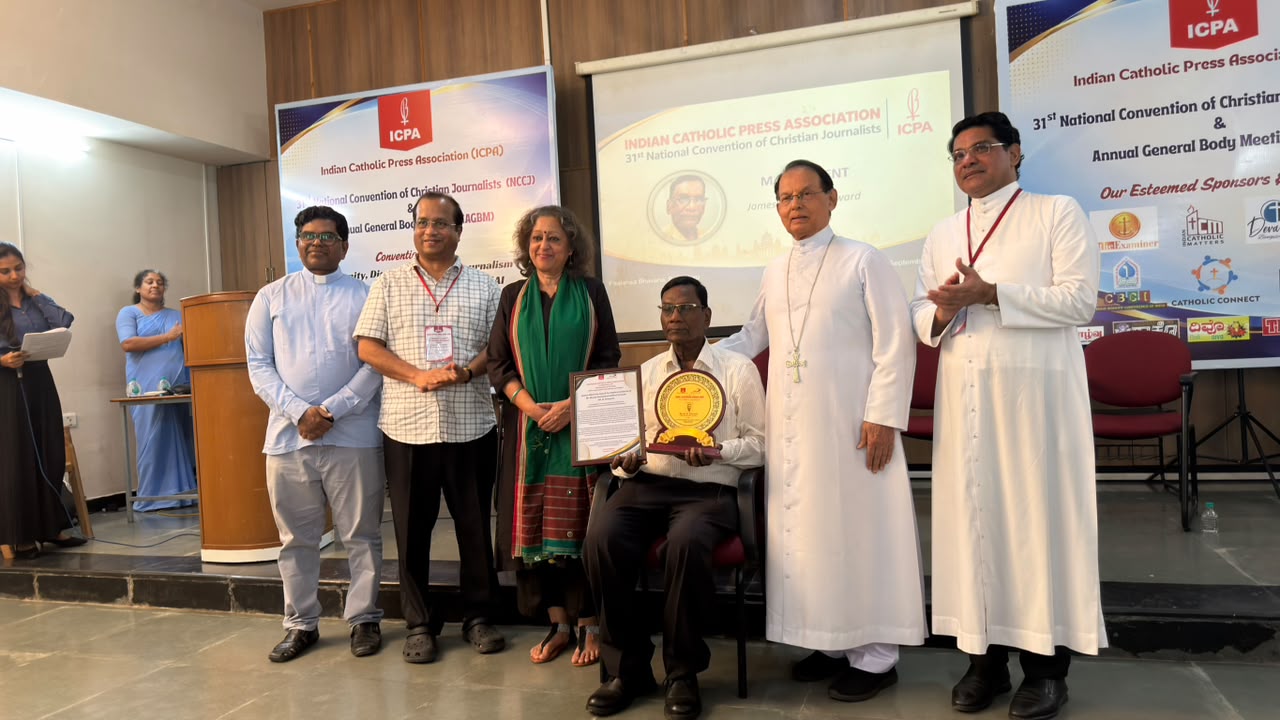 ICPA
ICPA
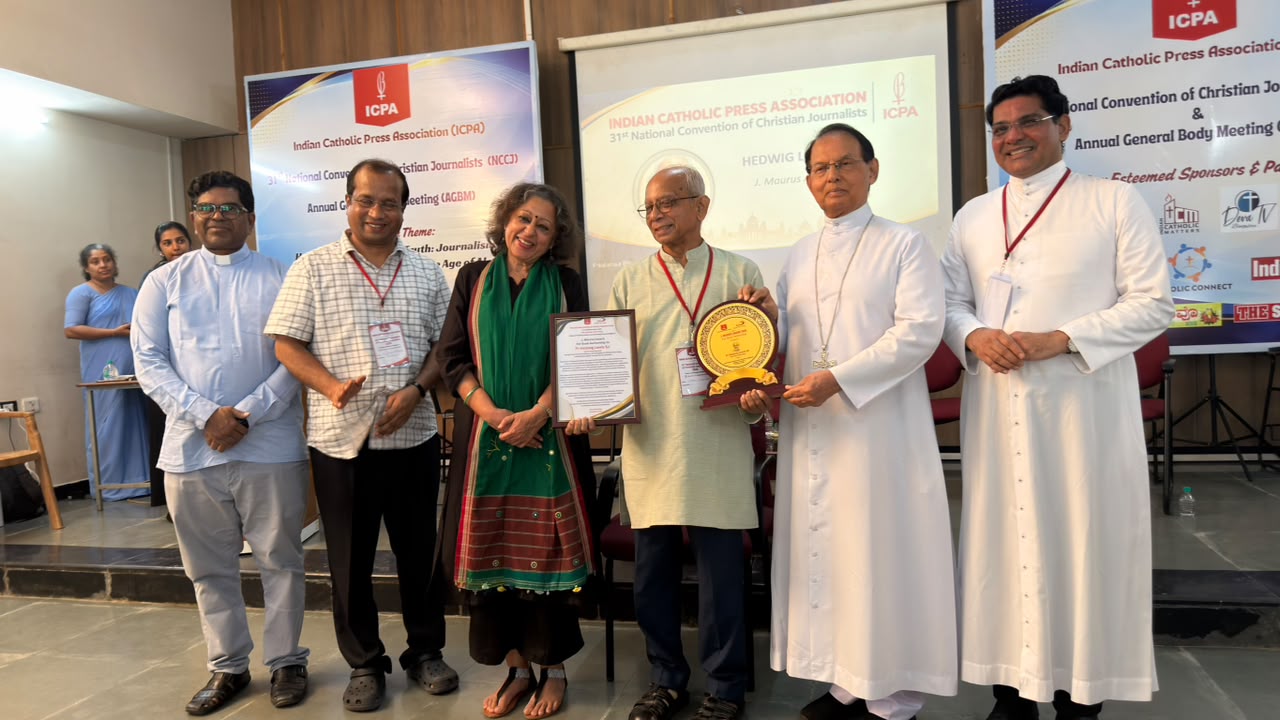 ICPA
ICPA
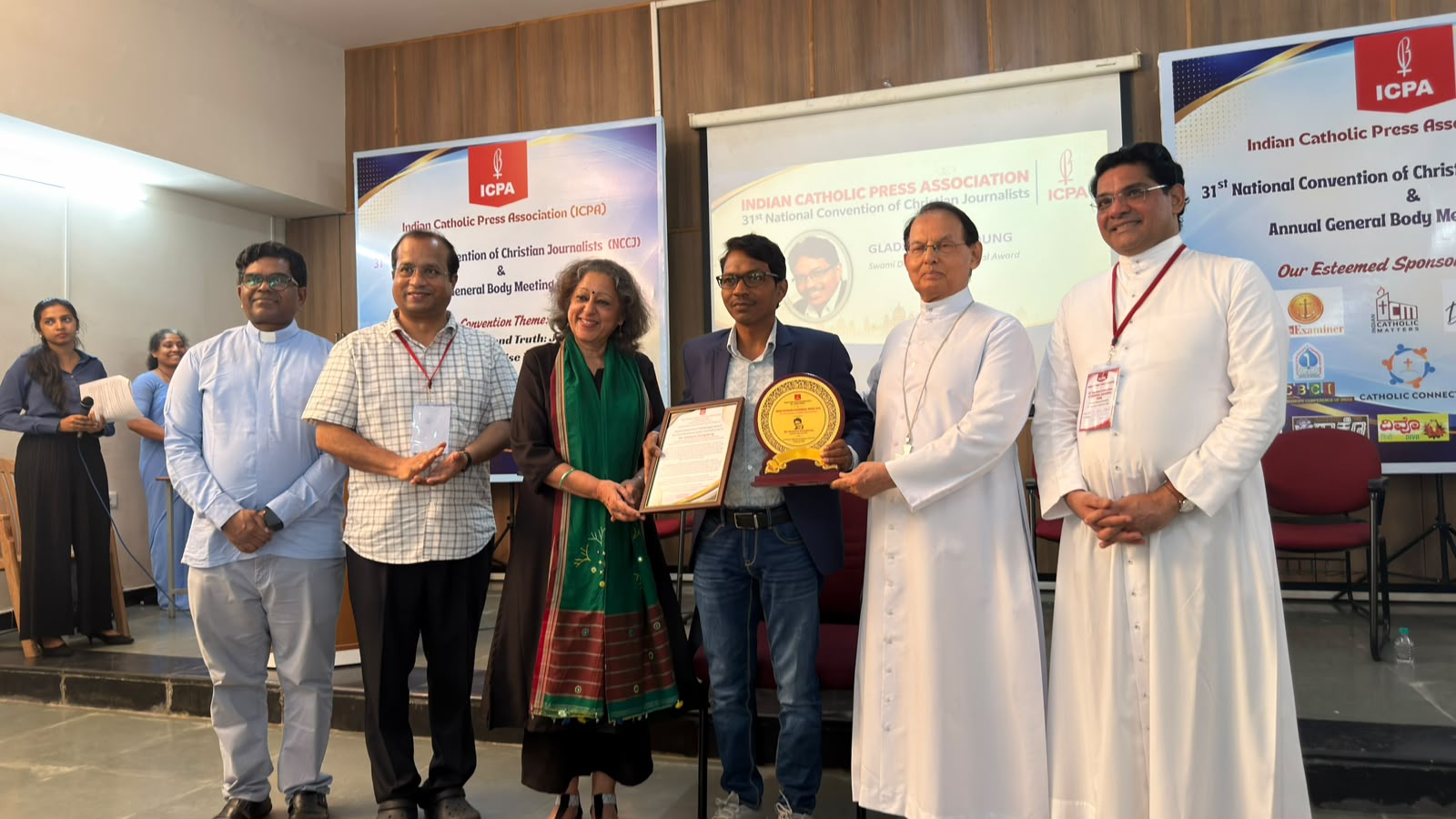 ICPA
ICPA
 ICPA
ICPA
.jpg)
 A. J. Philip
.jpg)
.png) Jacob Peenikaparambil
Jacob Peenikaparambil
.jpg)
.png) John Dayal
John Dayal