


.png) Dr Suresh Mathew
Dr Suresh Mathew

Frightening reports are coming out on the possible catastrophe caused by the rising sea level. One of the recent studies by a global non-profit research group says that as many as 50 coastal cities across the world are facing the danger of being swallowed by sea in the next few decades. Among the Indian cities that could go below the tidal level are eight places -- including Mumbai in the West and Kolkata in the East. In the background of such alarming reports, COP26 (Conference of Parties), the biggest global meeting on climate change, is a platform that could retrieve the world from the impending danger.
The recent COP held in Glasgow in the United Kingdom was one such occasion when countries could arrive at some consensus on meeting the threat staring at the world. However, it could not happen because of the wide gap between the views of the developed and developing countries. It is an undisputable fact that the present climate crisis is largely due to the West because of large-scale emission of carbon dioxide in those countries as they fast-tracked development. The developing countries are right in demanding that the West should bear a major share of finance to make clean technologies accessible to the former, but the latter are not willing to heed to the demand.
There is also a big disparity in the deadline, suggested by various countries, to meet the target of zero emission of carbon dioxide. This target means that no more carbon dioxide will be added to the atmosphere than what has been removed by way of increasing the use of clean energy. This zero-level emission is vital for reducing the danger from rising sea level and cyclones. Many developed countries say that this target should be achieved by 2050, indeed a distant deadline; but some major developing countries want this should be stretched by two or three decades. Thus, China, the largest emitter of carbon dioxide, wants a 2060 net zero year while India, the third largest emitter, wants it to be 2070. However, there is a consensus that by 2030 some progress should be made in this direction to save the world from an imminent catastrophe.
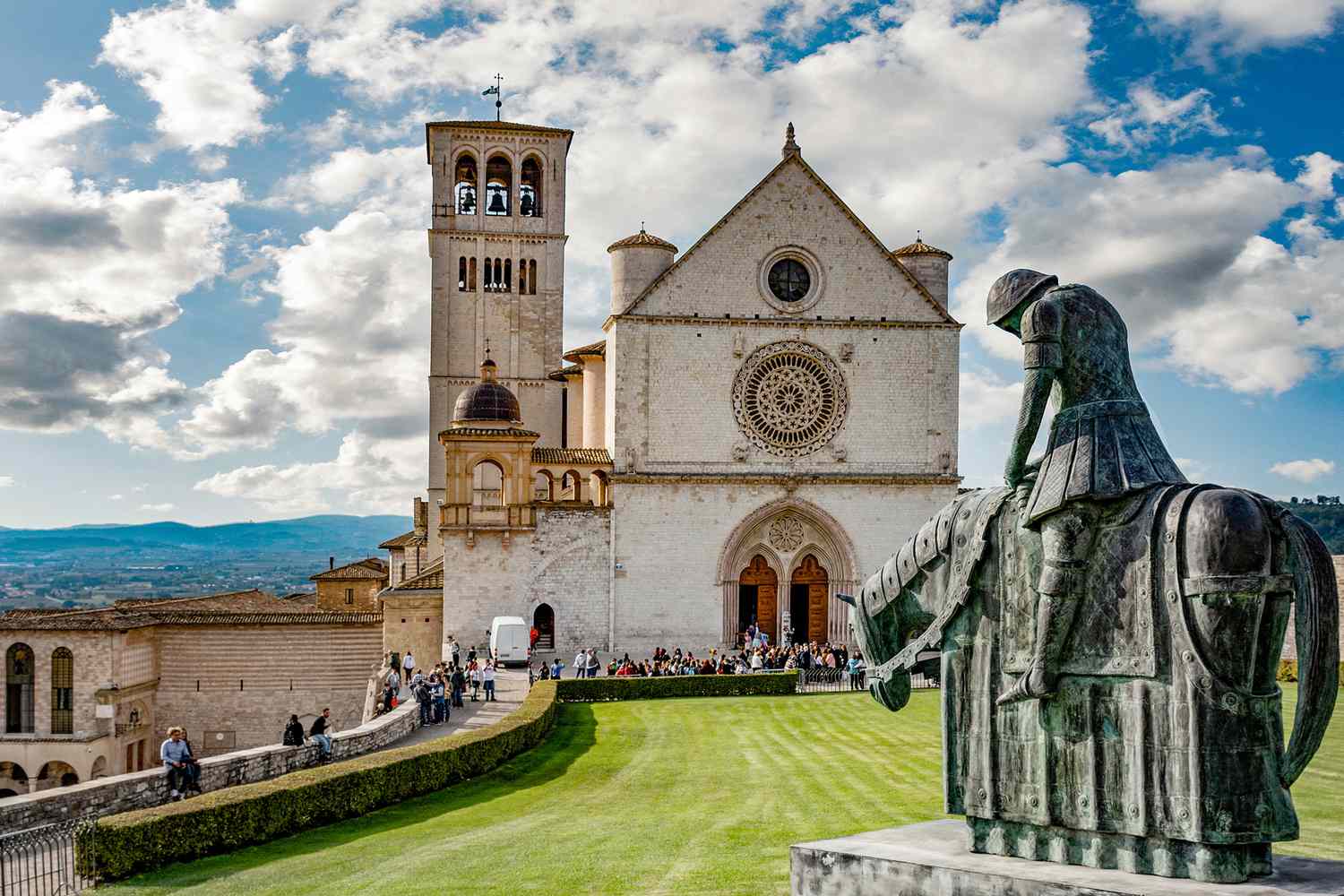
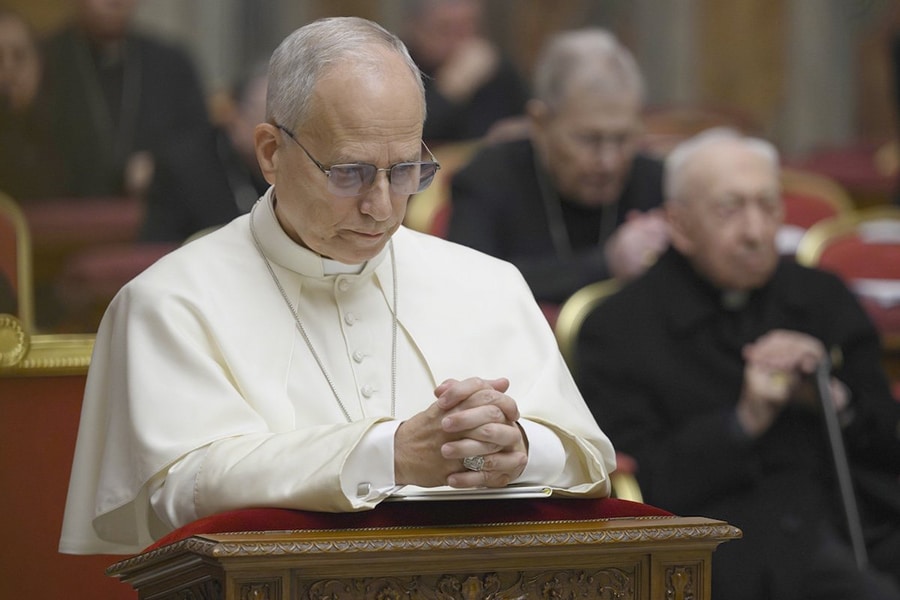
In the midst of such divergent views, it is important to look at Pope Francis’s vision to save the world from an ecological crisis. Stating that the earth, our home, is beginning to look more and more like a pile of filth, he said never have we so hurt and mistreated our home as we have in the last two hundred years. In the encyclical Laudato Si (Praise be to you) the Pope said humanity has to change its lifestyle, production and consumption to combat the increasing atmospheric warming. Caused by huge consumption on the part of some rich countries, warming has repercussions on the poorest areas of the world where rise in temperature together with drought has proved devastating. Every ecological approach needs to incorporate a social perspective which takes into account the fundamental rights of the poor and the underprivileged. The world should listen to these cold truths spelt out by the Pope about global warming. It is time to stop hurting the nature; instead start hugging it. That is the only way to save it from the disaster looming large over it.

.jpg)
 A. J. Philip
.jpg)
.png) Jacob Peenikaparambil
Jacob Peenikaparambil

.png) Chhotebhai
Chhotebhai

.jpg) P. A. Joseph
P. A. Joseph
.png)
.png) Robert Clements
Robert Clements
.jpeg) A. J. Philip
A. J. Philip
.jpg) Jacob Peenikaparambil
Jacob Peenikaparambil