


 Fr. Gaurav Nair
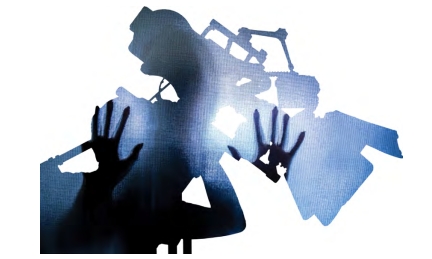
The Hema Committee report has elicited different responses from different quarters. While some have taken to it positively, others have resorted to the blame game and even downright denial. The report, which details rampant sexual harassment, gender discrimination, and inhuman treatment of women, has exposed the issues that plague the Malayalam film industry. However, as some pointing fingers have indicated, it is not limited to Mollywood but also Hollywood, Bollywood and every other wood that dots the cinematic landscape.
Bollywood, India's largest film industry, has long been plagued by similar problems. The casting couch, where women are pressured into providing sexual favours in exchange for roles, is an open secret. Despite the #MeToo movement that swept through Bollywood in 2018, leading to several high-profile accusations and some dismissals, the deeply entrenched culture of misogyny and exploitation remains largely intact.
The report highlights how even well-known figures in the industry have been involved in sexual harassment, yet they continue to work without facing any significant consequences. The government is far from fain to take action against these people since it would affect their vote bank and criminal aspirations.
Some within the industry blame the victims, questioning their motives for coming forward and accusing them of tarnishing the industry's image. Unfortunately, this victim-blaming mentality is not new and reflects a broader tendency to silence women who speak out against powerful men.
The entertainment industry is not alone in this regard. Other sectors, such as the corporate world, media, medicine, sports and even academia, have their own versions of the casting couch and gender-based exploitation. There are so many instances in recent memory that it would be quite inconceivable to miss the association.
Justice, it would seem, has distanced itself from the Indians. Analysis of cases such as the West Bengal rape and murder clearly show attempts to silence truth. Cases where the victims are from underprivileged backgrounds are swiftly swept out of sight. Rapists and murderers are garlanded and celebrated and provided protection by their ilk.
While opinions are varied in every case, there are calls for comprehensive solutions. Nevertheless, it is disheartening that there is no overarching feeling of shame or remorse within or without the industry or anywhere else, for that matter. True reconciliation must arise first from a sense of shame within the society. All other exploratory avenues, such as redressal mechanisms, policies, etc., are ineffective unless the national conscience is set right.
Repairing the conscience is essential for women to be genuinely safeguarded in society. An actor and producer claimed it was hurtful that the Malayalam film industry was being targeted after the release of the Hema Committee report when such things happen everywhere else as well. He was not remorseful that incidents were happening within the industry but that they were brought to light. A damaged collective and individual conscience allows injustices like gender-based violence, discrimination, and exploitation to persist with minimal resistance. To protect women, society must first acknowledge and rectify the deep-seated attitudes and beliefs that perpetuate their vulnerability.



.jpg)
 A. J. Philip
.jpg)
.png) Jacob Peenikaparambil
Jacob Peenikaparambil
.png) Chhotebhai
Chhotebhai

.jpg) P. A. Joseph
P. A. Joseph
.png)
.png) Robert Clements
Robert Clements
.jpeg) A. J. Philip
A. J. Philip
.jpg) Jacob Peenikaparambil
Jacob Peenikaparambil