.jpg)


 Fr. Gaurav Nair
.jpg)
There is something profoundly unsettling about how the country's constitutional institutions, which are supposed to protect the people's rights, are themselves becoming the subject of serious questions about their own functioning. Even worse, we had to wait this long to question it, though it was plain as day.
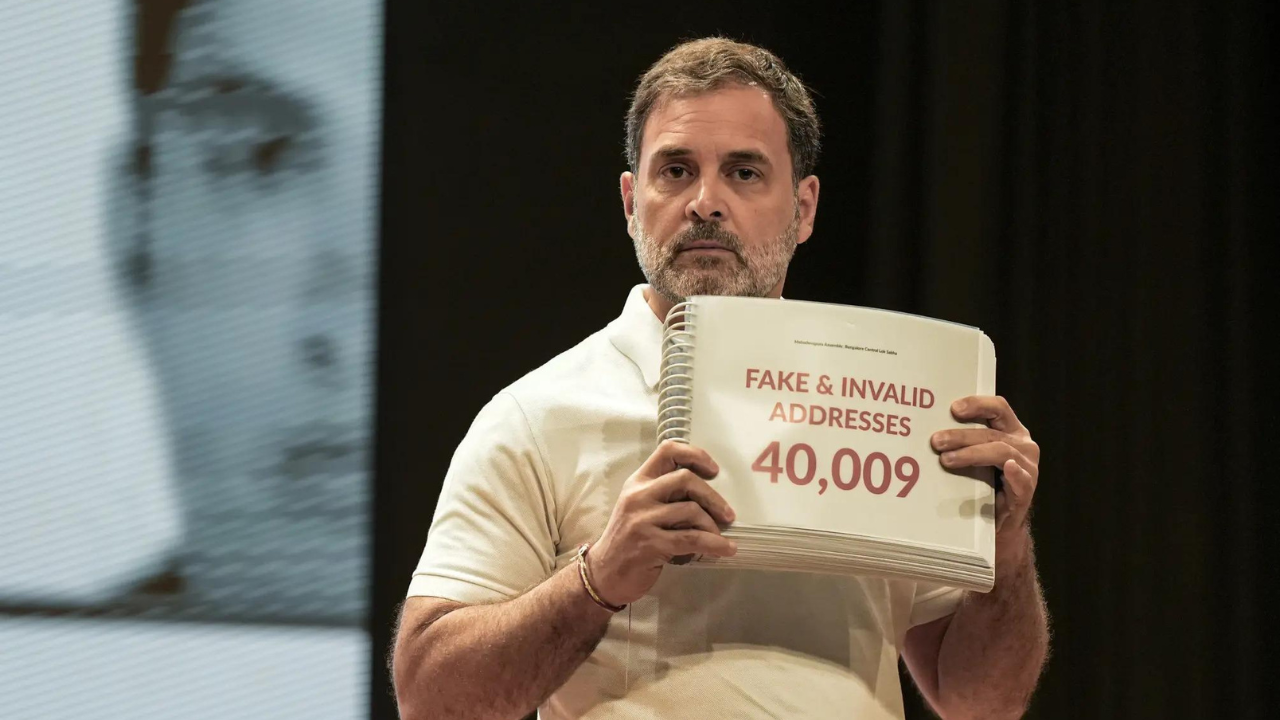
Not to belittle the investigative work by Ritika Chopra of The Indian Express and the exposé, but hasn't Rahul Gandhi been sounding the alarm since 2023? The SIR has been going on in various parts of the country since June 2025. Didn't activists raise objections to wrongful deletions? Didn't civil society organisations question the manner in which legitimate voters were being made to establish their eligibility? And how many times were these concerns dismissed as rhetoric, opposition propaganda or yet another conspiracy theory?
Two of the three Election Commissioners, Sukhbir Singh Sandhu and Vivek Joshi, reportedly objected at least 14 times over ten months to decisions concerning voter registration, deletion, restoration and the centralisation of electoral data, but why were these voices never heard?
So, what were we waiting for? Did we need two Commissioners to expose the ECI's internal workings before we could believe what ordinary citizens, activists, and political parties had been saying? Did we need a prestigious media vendor to validate its concerns before taking them seriously? The failure is not merely the Election Commission's. It is also a failure of democratic vigilance.
The electoral rolls must be cleaned; it has been done before. But who gave the Commission the authority to alter statutory procedures? Who authorised the changes to Form-6? Who decided that electoral databases should be centralised in a manner that allegedly curtailed the authority of field-level officials? And, above all, who will account for the legitimate voters who may have been excluded in the process?
The Commission has scrambled to release subsequent announcements of corrective measures, but it has completely bypassed fundamental questions. Corrective action is not accountability. Nor can a press note erase the questions raised by the citizens and its own Commissioners. Indeed, withdrawing the controversial additional declarations in Form-6 only reinforces the need to establish who authorised their introduction in the first place.
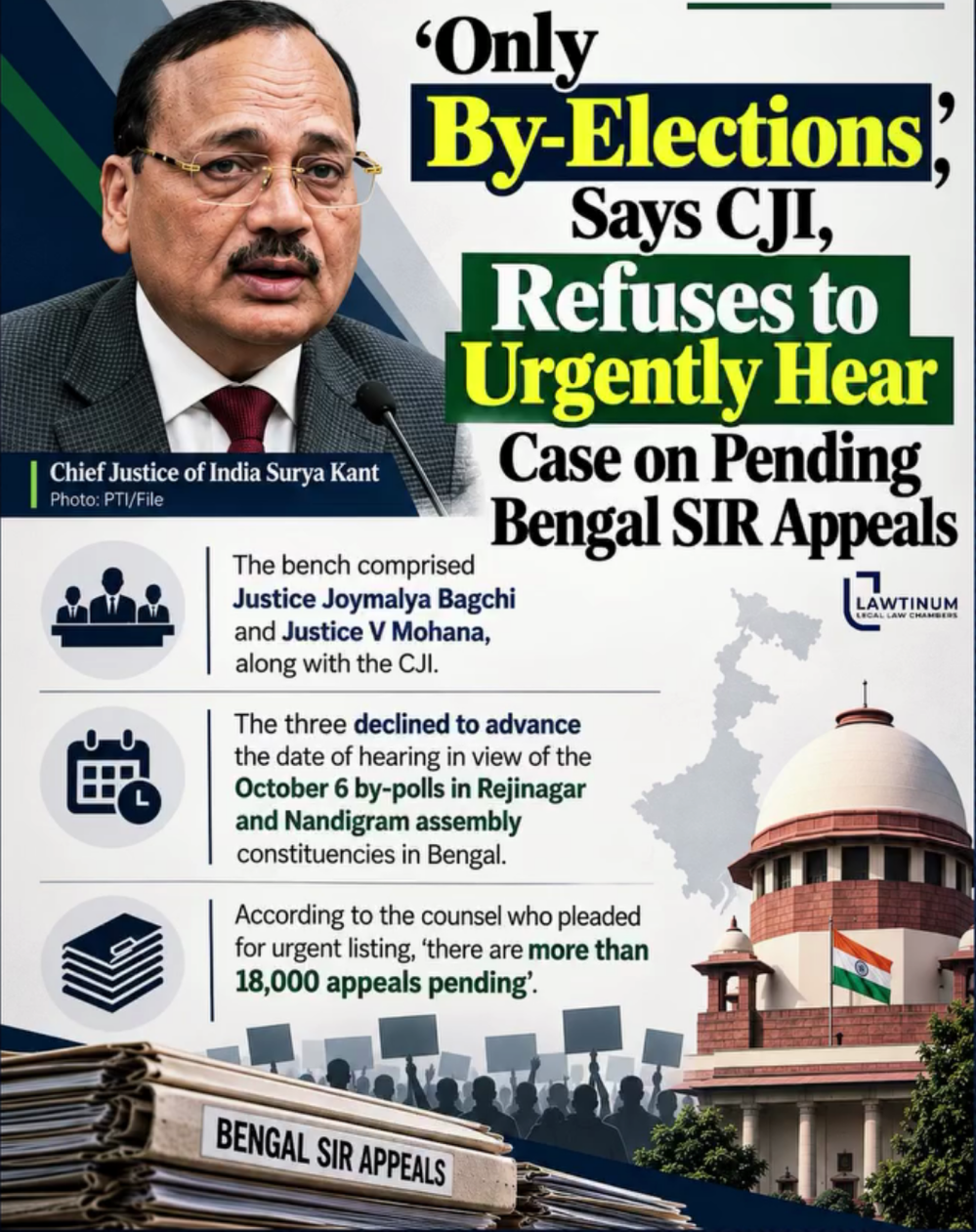
But can we expect the Judiciary to do its duty when it has been doing otherwise? How many times have a multitude of groups and persons called out the flawed SIR exercise, and the Apex Court upheld its legal validity? What should the citizens make of it? Is the Judiciary in cahoots with the Executive and the Election Commission? This is a travesty of the highest degree, condemnable.
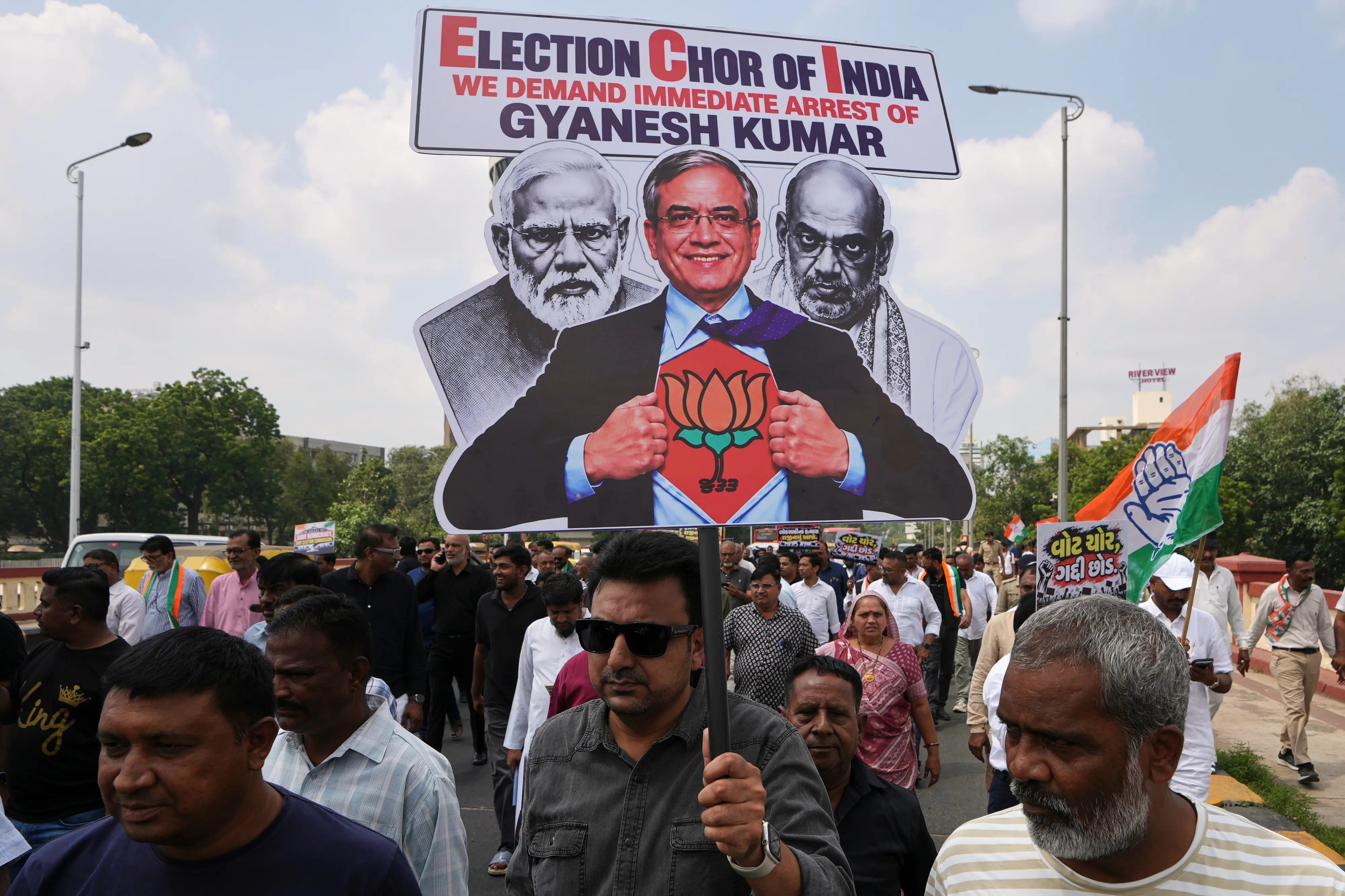
Yes, public outrage is there, but will it end with Gyanesh Kumar's resignation and empty government promises, like the Gen-Z protest over public examinations, or will we be able to go beyond? The resignation of a single person will not yield future change; the Prime Minister and his appointed Cabinet Minister will still select the next Election Commissioner—another stooge who will dance to their fancies.
.png) Cedric Prakash
Cedric Prakash
.JPG)
 A. J. Philip
.png) Jacob Peenikaparambil
Jacob Peenikaparambil
.jpg)
.png) John Dayal
John Dayal
.jpg)
 Pachu Menon
.png)
.png)
.png) Robert Clements
Robert Clements