.jpg)


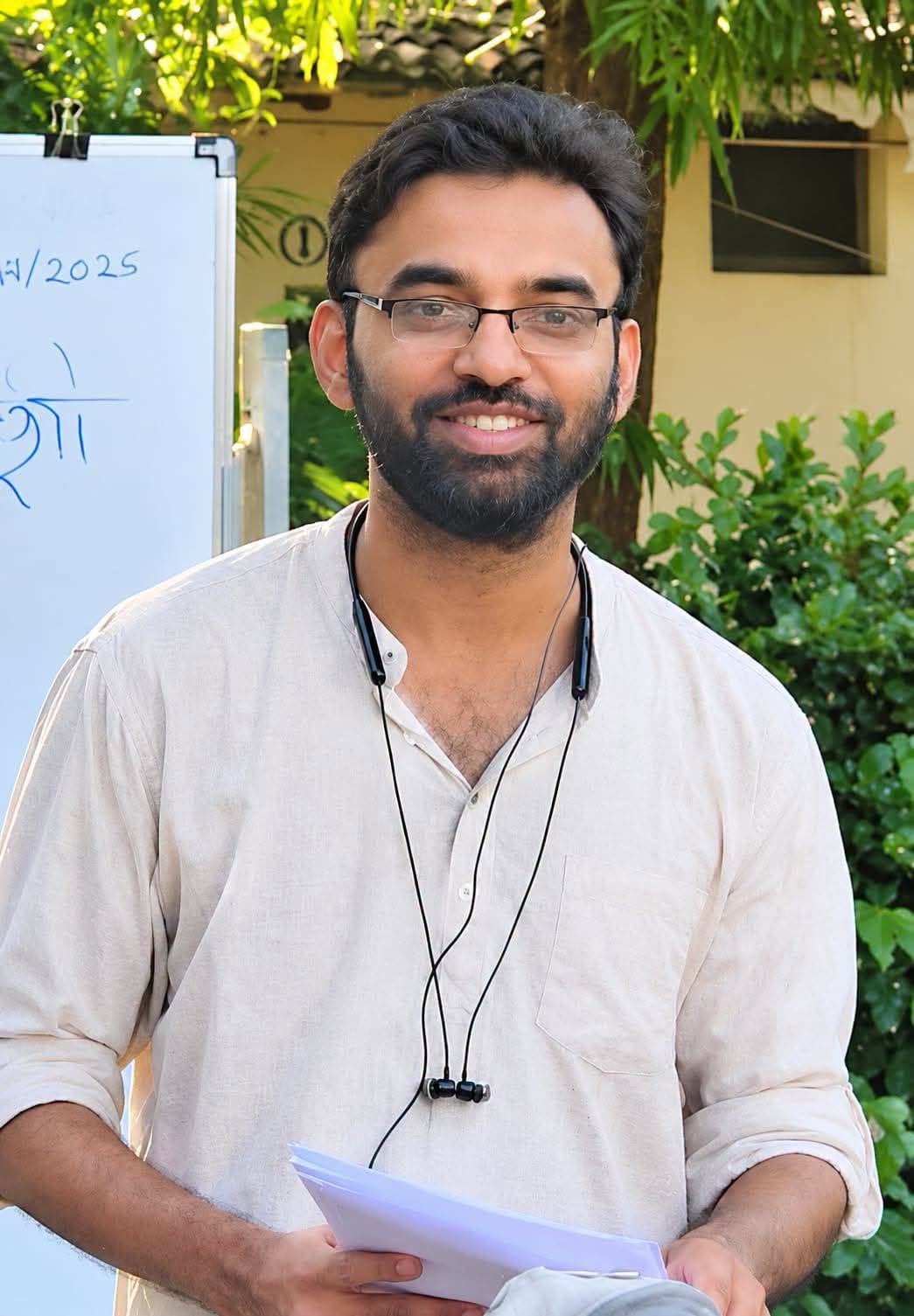
 Fr. Gaurav Nair
.jpg)
Proving yet again that Hindutva has no shame and the judiciary's collusion, two convicts in the Bilkis Bano case have been released. No one can skirt the uncomfortable question about the nexus between the political establishment and the exercise of judicial power. The sequence of events is too appalling to be brushed aside.
In 2022, the Gujarat government released all eleven convicts, even as everyone knew the gravity of their crimes. Hindutva goons welcomed them with garlands and sweets; they were termed "sanskari (cultured)!" It is not without reason that in 2019, Rahul Gandhi once said that India is the "Rape Capital of the World." One must remember that the RSS and, by extension, the whole saffron gang believe that "women enjoy rape," as was proclaimed by an RSS ideologue. The Supreme Court subsequently found the release illegal and that the Gujarat government was complicit in the process.
Yet, barely two years later, two of these convicts have found another route out of prison, this time through the Supreme Court itself. The order was passed on October 28 but flew under the radar. Bilkis Bano herself says she learnt of the development through media reports and was not heard before the order was passed.
What is one to make of this extraordinary sequence? Why was the order not made publicly accessible promptly? Why was the victim not heard? Why was there no apparent urgency in ensuring that an order with such profound consequences was communicated transparently?
The circumstances create a disturbing impression of institutional accommodation between political power and judicial discretion. The judiciary cannot expect to be seen publicly as neutral when its actions repeatedly produce outcomes that benefit those who had earlier received questionable patronage.
The Court is relying on the excuse that they spent more than seventeen years in prison and the severe physical handicap of one convict. But what about the victim? What about the trauma, insecurity and lifelong suffering of Bilkis Bano? Does seventeen years in prison erase the enormity of the crime? And should the victim's voice become irrelevant?
These men had enjoyed periods of parole and furlough during their incarceration. Following the Gujarat government's remission decision, they also spent approximately seventeen months outside prison before the Supreme Court ordered their surrender. The Supreme Court should also have carefully examined their custodial history.
State institutions are more responsive to the claims of convicted offenders than to the apprehensions of victims. The Gujarat government's earlier remission exercise and the present judicial relief are different legal decisions. But their cumulative effect is devastating for a woman who has already fought an extraordinary battle for justice.
Bilkis Bano has already been forced to fight the State, the political establishment and an unjust system. Must she now fight the consequences of another judicial order?
There is something seriously wrong with the way justice is experienced in this country if those who drape saffron receive repeated opportunities for relief, while a victim is left to relive her trauma.
.jpg)
.jpg)
.png)
 Robert Clements
.jpg)
 P. A. Chacko
.jpeg)
 A. J. Philip
.jpg)
 Jacob Peenikaparambil
.jpeg)
 John Dayal
.jpg)
 Jose Vattakuzhy