

 Fr. Gaurav Nair
Religious festivals are meant to mark memory, joy, and belonging. In India today, they have become thresholds. Christmas, Easter, and even funerals now arrive with police, court petitions, and fear. For Christians and other minorities, celebrations have become moments of calculation: how visible is too visible, how loud is too loud, how public is unsafe?
The numbers this Christmas alone end all pretence. Decorations were vandalised, prayer meetings disrupted, people were manhandled in front of the police, carols were stopped, the list goes on. All this happened under a government that prides itself on optics, choreography, and carefully staged outreach. The BJP's photo opportunities, its Christmas greetings, its carefully curated images of harmony, are fooling no one who lives outside television studios and blind bhakts.
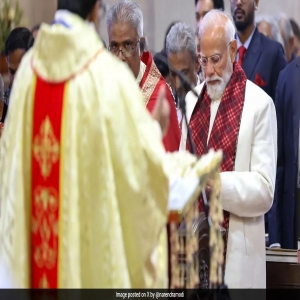
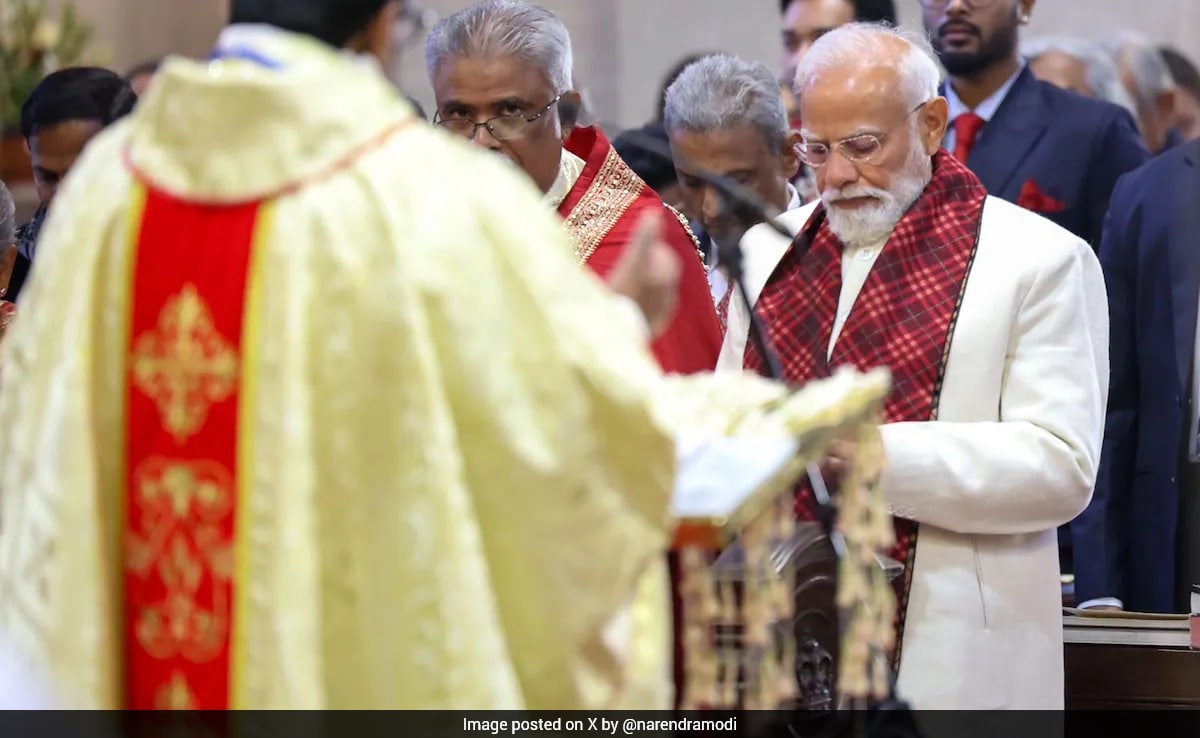
The CBCI Christmas celebration with Vice President C P Radhakrishnan, or the Prime Minister Narendra Modi's presence at The Cathedral Church of the Redemption in Delhi, did not restrain a single Hindutva mob. Not one. Promises delivered from a dais have never stopped men wielding sticks outside villages.
What is more troubling is the response, or lack of it, from within the hierarchy itself. The steady rise in violence should have forced a moment of reckoning. Instead, sections of the Catholic hierarchy continue to fraternise with BJP leaders, smiling for cameras, attending receptions, issuing mild statements about "dialogue." This posture now looks like eyewash. The numbers mock it. The bruises on parishioners' bodies mock it. The fear and subdued atmosphere during festivals mock it.
The uncomfortable truth is that persecution rarely touches those at the top personally. It does not bar their residences, deny their burials, invite visits by anti-national elements or drag them to police stations under anti-conversion laws. It visits catechists, pastors, nuns in hostels, tribal families, and Dalit converts.
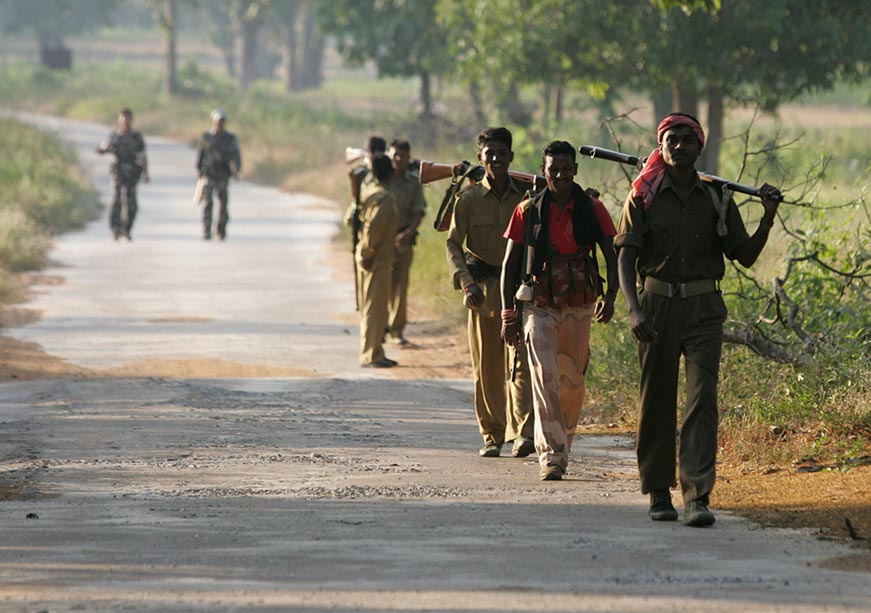
Festivals sharpen this cruelty. Christmas has become a test of obedience. Processions are still attacked in the open view of the police and more often than not with their approval. Cribs and decorations are questioned. Carol singers are accused of provocation. Easter gatherings draw complaints. Even death is not spared. Families pleading to bury their dead are unable to do so.
This climate is flowing from years of venom that marks minorities as suspect, from laws that invert the burden of proof, from policing that records "no incident" while bodies lie unburied.
Constitutional promises were not written for fair weather. They were meant for moments like these - when mobs feel authorised, when the state looks away and when institutions hesitate. But unfortunately, the Keeper of the Constitution has turned against it, as is seen in the recent shameful release of Kuldeep Singh Sengar and the forced removal of the Unnao rape victim and the Aravalli hills case.
Festivals will return next year, as they always do. The question is whether the Church will continue to mistake proximity to power for protection, and whether the government will keep mistaking optics for justice. Neither illusion is holding very well, unlike the poor Delhi AQI, which the BJP is trying everything to deny. And only those paying the price know it.
.jpg)
 A. J. Philip
.png) Cedric Prakash
Cedric Prakash
.jpg)
 P. A. Chacko
.jpg)
.jpg)
.jpg) Thomas Menamparampil
Thomas Menamparampil
.png)
.png)
.png) Robert Clements
Robert Clements
.jpg)
.png)
.png) Chhotebhai
Chhotebhai