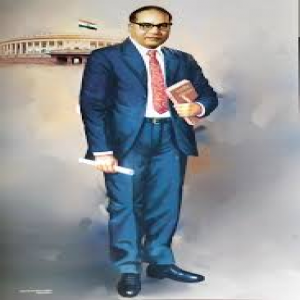


The shock was not the new insult,
but the contrast.
Having once breathed
as an equal,
he could no longer
accept the air of slavery.
The question "Who will take me?"
echoed louder than any church bell
that had ever called London to prayer.
In that ache, the classroom and the platform
collided.
The law of Hobhouse's liberty,
the map of Mackinder's empires,
the fire of Laski's socialism
all turned their faces toward
a single railway station
where a learned man
clutched his suitcase
and feared a food plate
more than any exam.
From that wound, he forged weapons:
not of iron, but of ideas.
The LSE had given him
a grammar for his grief.
Gray's Inn had taught him
how to turn hurt into clauses,
humiliation into articles,
loneliness into legal argument.
In English courtrooms,
he learnt that words can summon
whole empires to the dock.
In Indian villages, he knew
they must also free the child
who cannot drink from the same well.
Under London's stone gargoyles
and church spires,
he had watched a civilisation
struggle with its conscience
worker against owner,
citizen against king.
He took their best questions,
not their crowns,
carried them back
like smuggled light
into a land crowded with gods
and empty of justice.
In the drafting room of free India,
bent over pages that would become
the Constitution,
the ghostly silhouettes
of his teachers stood around him:
Hobhouse, whispering of rights;
Mackinder, warning of power's geography;
Laski, insisting:
"Remember the poor."
Yet over their shoulders
stood another figure
the young Ambedkar on the station platform,
asking, "Who will take me?"
He dipped his pen
into that memory
again and again,
inked each article
with that trembling.
Equality before the law,
liberty of thought,
abolition of untouchability:
these were not abstractions
borrowed from the West.
They were answers
to a question cried in the dark
by a man with nowhere to sleep
in the country of his birth.
London did not save him.
It reminded him
what being human could feel like.
Gray's Inn did not erase
the slur of "untouchable."
It taught his tongue
to pronounce the language
of fearless claim.
The West did not make him whole.
It showed him a mirror
in which caste was not
the only face he owned.
So he came back not as a disciple
kneeling before Europe,
but as a maker
who had walked through foreign fire
to temper his own steel.
From white, western, Christian streets
where a stranger could eat in peace,
he carried a quiet, blazing vow:
That one day, in his own land,
no child would stand outside a doorway
counting their breaths,
no scholar would fear a hotel plate,
no citizen would ask,
"Who will take me?"
as if acceptance were a charity
and not a birthright.
Between the bell of LSE's clock
and the whistle of that Indian train,
Ambedkar stretched a bridge of thought
stronger than iron,
woven with Western discourse
and Dalit experience,
with London's books
and India's wounds.
Upon that bridge,
he carried home
the most advanced knowledge
India had yet refused to see:
That the measure of a nation
is not its ancient texts
but the place it gives
to the one it calls "untouchable."
And in the quiet after midnight,
when Parliament lights
flickered on his tired face,
perhaps he remembered
a grey London morning
and a professor saying:
"Every human is an end in himself."
.jpg)
.png) Cedric Prakash
Cedric Prakash
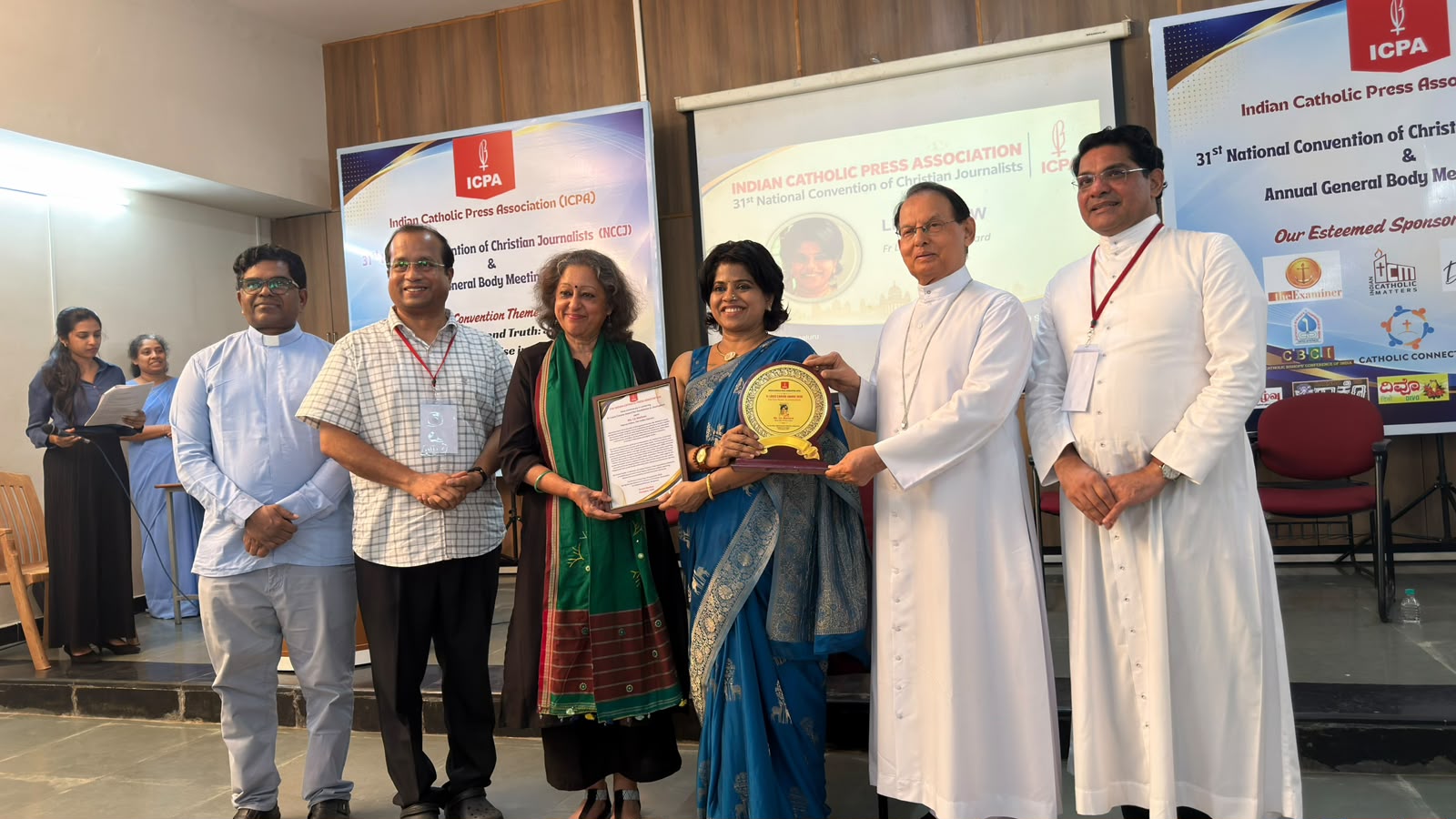
 ICPA
ICPA
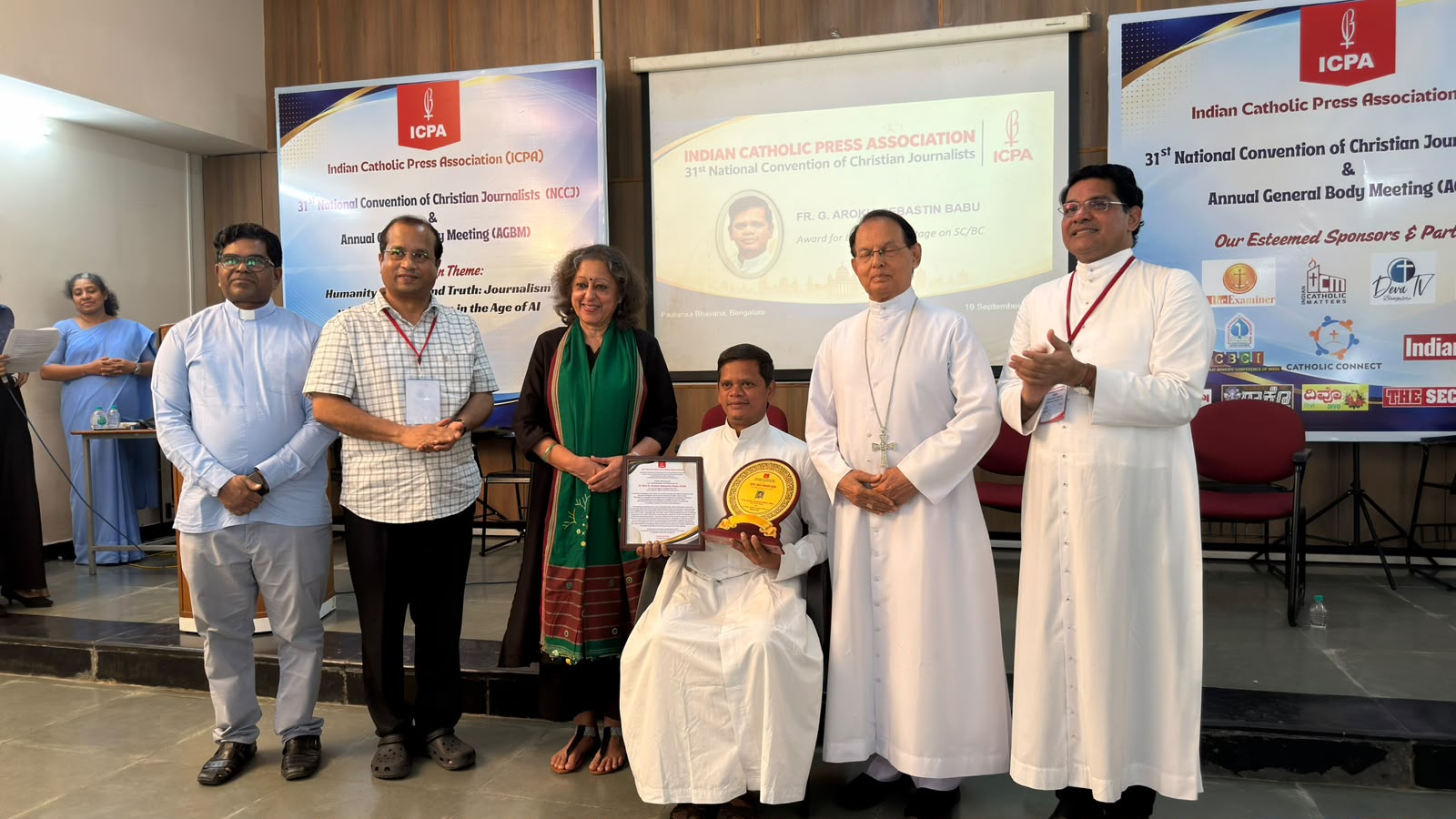 ICPA
ICPA
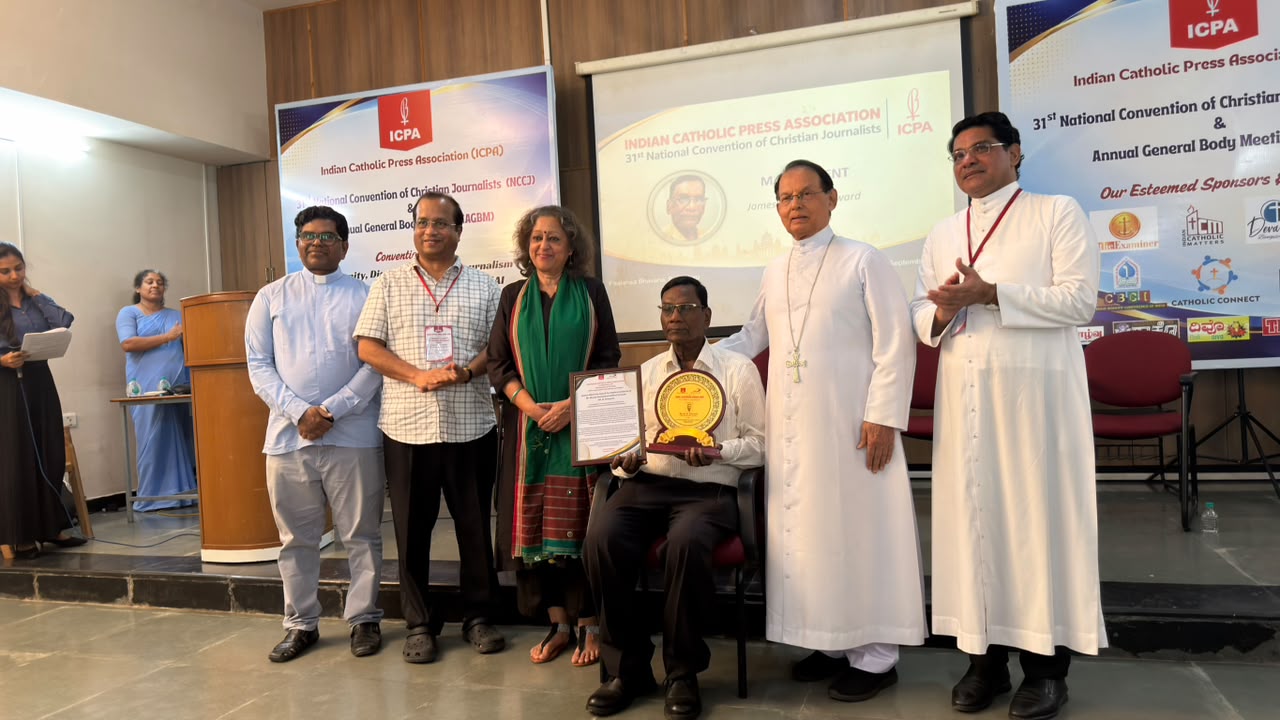 ICPA
ICPA
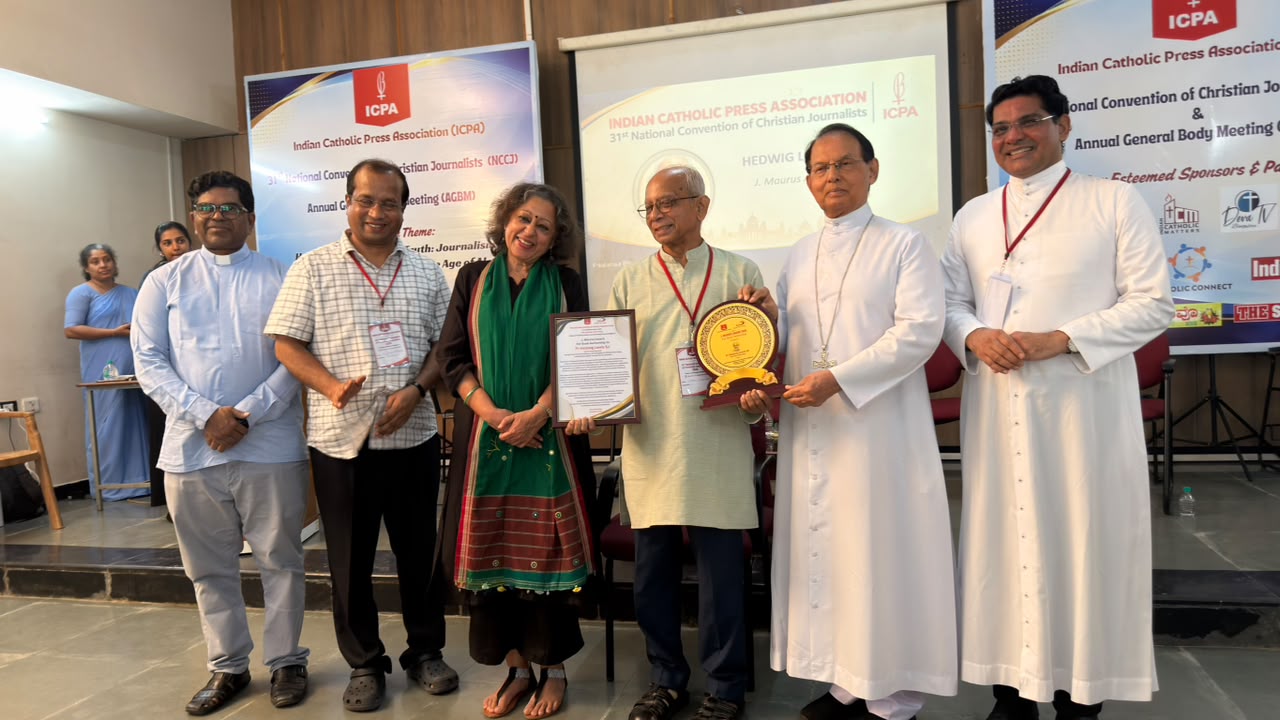 ICPA
ICPA
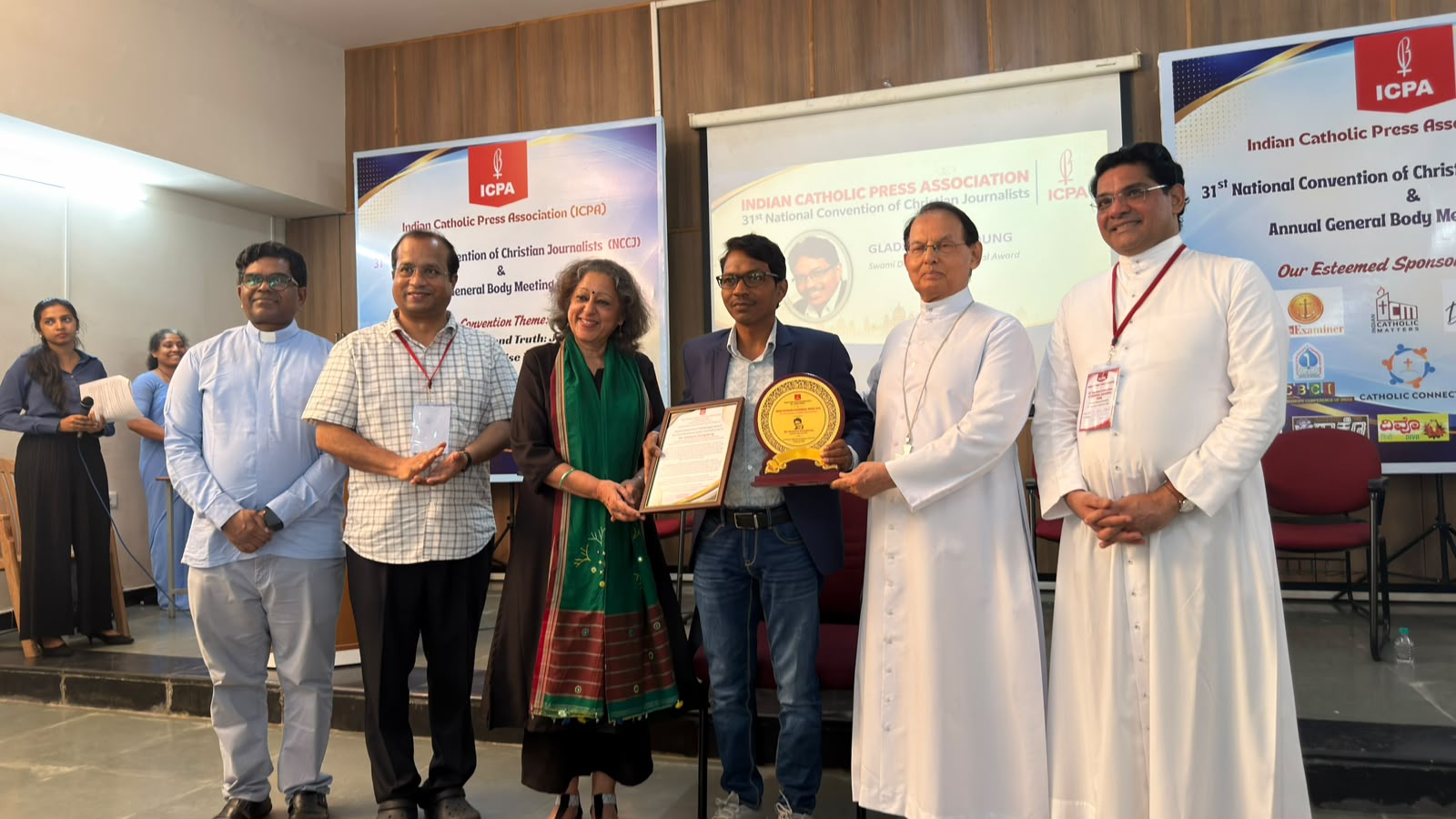 ICPA
ICPA
 ICPA
ICPA
.jpg)
 A. J. Philip
.jpg)
.png) Jacob Peenikaparambil
Jacob Peenikaparambil
.jpg)
.png) John Dayal
John Dayal