

.jpg) Dr. John Singarayar
Dr. John Singarayar
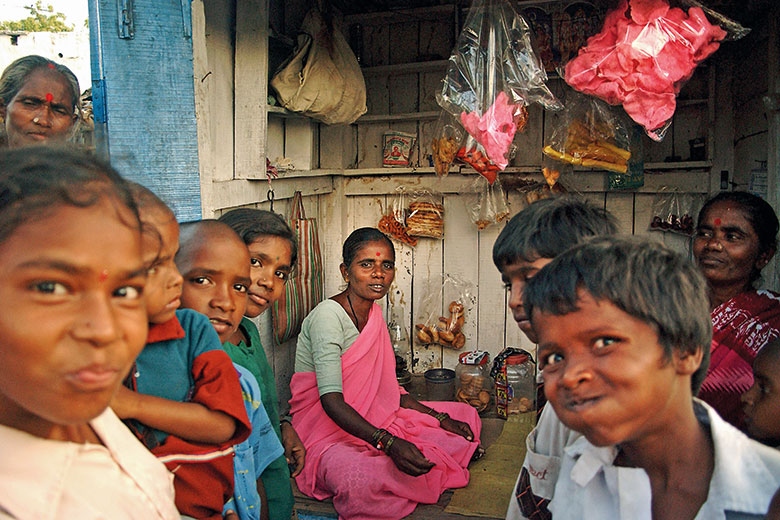
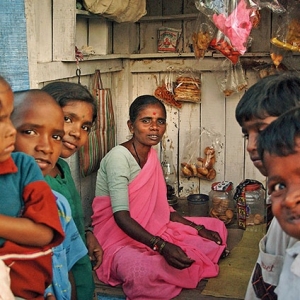
In the shadows of a purportedly progressive society, a harrowing reality persists—a reality where the mere assertion of rights, the pursuit of equality, and the embrace of dignity become acts of defiance punishable by unspeakable horrors. Every day, Dalits endure a grotesque tapestry of violence—rape, murder, mutilation, and humiliation—simply for daring to exist as equals in a system designed to subjugate them. This article delves into the contemporary landscape of Dalit struggle, highlighting their resilience in the face of systemic oppression and advocating for collective action to dismantle age-old structures of discrimination.
In recent years, incidents of atrocities against Dalits have shocked the conscience of the nation and laid bare the deep-rooted prejudice that continues to plague Indian society. From the brutal rape and murder of Dalit women to the mutilation of Dalit bodies, the spectrum of violence is both abhorrent and unrelenting. Despite legal protections and affirmative action measures, Dalits remain disproportionately vulnerable to caste-based violence, with perpetrators often enjoying impunity due to entrenched caste hierarchies and complicit law enforcement.
The very act of asserting one's voice, whether through political activism, educational attainment, or cultural ex
Moreover, the violence extends beyond physical harm, permeating the everyday lived experiences of Dalits in insidious ways. Discrimination in educational institutions, employment opportunities, and access to essential services perpetuates cycles of poverty and marginalisation, denying Dalits the chance to break free from the shackles of caste-based oppression. Even something as seemingly innocuous as sporting a moustache or riding a horse can invite scorn and violence from dominant caste groups intent on upholding their perceived superiority.
In the face of such adversity, Dalits are not passive victims resigned to their fate. Instead, they are agents of change, resolutely standing up against injustice and reclaiming their rightful place in society. The Dalit Panther movement, inspired by the Black Panther Party in the United States, emerged in the 1970s as a forceful voice for Dalit empowerment, advocating for self-defence and community mobilisation. Today, grassroots organisations like the Bhim Army continue this legacy, organising protests, providing legal aid to victims, and challenging caste-based discrimination at every turn.
One cannot discuss Dalit resistance without acknowledging the pivotal role of Dr B.R. Ambedkar, the architect of India's Constitution and a tireless champion of Dalit rights. His teachings continue inspiring generations of Dalit activists, imbuing them with the courage to confront oppression and demand equality. Ambedkar's call for "annihilation of caste" resonates as strongly today as it did decades ago, serving as a rallying cry for Dalits in their struggle for emancipation.
However, the road to liberation is fraught with obstacles, and achieving meaningful change requires a multifaceted approach. Legislative reforms must be accompanied by grassroots mobilisation and community empowerment initiatives to address the deep-seated prejudices that underpin caste-based discrimination. Educational curricula should be revised to include diverse perspectives and histories, fostering empathy and understanding across caste lines. Moreover, economic policies must prioritise the socio-economic upliftment of Dalit communities, ensuring equal access to resources and opportunities for advancement.
Crucially, allies from privileged castes must actively engage in dismantling caste-based hierarchies and amplifying Dalit voices. Solidarity movements such as #DalitLivesMatter and #CasteFreeIndia serve as platforms for collective action, transcending caste barriers and fostering a sense of shared humanity. By standing shoulder to shoulder with Dalits in their struggle for justice, we affirm our commitment to building a more equitable and inclusive society for all.
In conclusion, the plight of Dalits in contemporary India serves as a stark reminder of the enduring legacy of caste-based discrimination and the urgent need for concerted action. As atrocities against Dalits continue unabated, it is incumbent upon all citizens to heed the call for justice and equality. By amplifying Dalit voices, challenging oppressive structures, and embracing solidarity, we can pave the way for a future where every individual is treated with dignity and respect, regardless of caste or creed. The time for change is now.
.jpg)
.png) Cedric Prakash
Cedric Prakash
 ICPA
ICPA
 ICPA
ICPA
 ICPA
ICPA
 ICPA
ICPA
 ICPA
ICPA
 ICPA
ICPA
.jpg)
 A. J. Philip
.jpg)
.png) Jacob Peenikaparambil
Jacob Peenikaparambil
.jpg)
.png) John Dayal
John Dayal