

.png) Jacob Peenikaparambil
Jacob Peenikaparambil
.jpg)
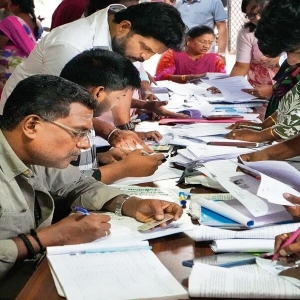
Media reports indicate that, as of November 24, 16 Booth-Level Officers (BLOs) have died due to alleged work pressure during the second phase of the Special Intensive Revision (SIR) of the electoral roll in twelve states. While seven of the BLOs allegedly died by suicide, the deaths of the others have also been linked to excessive workload. Family members of several victims have claimed that the officers were constantly under pressure and barely had time even for their daily routines.
Several opposition leaders—including Congress President Mallikarjun Kharge, Tamil Nadu Chief Minister MK Stalin and West Bengal Chief Minister Mamata Banerjee—have criticised the Election Commission for exerting severe pressure on field-level staff. However, the Election Commission has denied any connection between the deaths and workload.
Rahul Gandhi, Leader of the Opposition in the Lok Sabha, wrote on X (in Hindi): "Under the guise of SIR, chaos has been unleashed across the country—the result? In three weeks, 16 BLOs have lost their lives. Heart attacks, stress, suicides—SIR is no reform, it is imposed tyranny."
According to media reports, the BLOs who allegedly died by suicide include Rinku Tarafdar (West Bengal), Aneesh George (Kerala), Shantimoni Ekka (West Bengal), Mukesh Jangid (Rajasthan), Aravind Vadher (Gujarat), Udaya Bhan (Madhya Pradesh), and Jahitha Beegum (Tamil Nadu).
There are also reports of deaths linked to stress and exhaustion. For example, two teacher–cum–BLOs died of "illness" on November 22 in Raisen and Damoh districts of Madhya Pradesh. Their families attributed the deaths to unbearable SIR workload. In another case in the Raisen district, a BLO has been untraceable for more than a week.
Reasons for Stress and Pressure on BLOs
The SIR exercise involves intensive door-to-door verification, data collection and digitisation of voter information. According to political leaders and employee unions, a process that typically takes years has been compressed into a 2-month timeframe, resulting in unrealistic targets and inhumane work pressure on BLOs—the frontline workers of this exercise. Based on the experiences shared by many BLOs, the following appear to be the major stress factors:
1. Excessive Workload
BLOs, who are usually government employees such as teachers, must manage SIR duties in addition to their primary jobs, forcing them to work long hours late into the night. A single booth can have 1,000–1,200 voters, requiring extensive door-to-door verification.
According to The Indian Express, Bishu Ekka (son of West Bengal BLO Shantimoni Ekka, who allegedly died by suicide) said his mother was overwhelmed by the volume of forms and the language barriers: "There were too many forms. The forms were in Bengali and no one was able to help us. She had tremendous work pressure—from ICDS duties and then BLO duty."
2. Unrealistic Deadlines
The enumeration phase—including house visits, form collection and digitisation—has a one-month deadline (November 4 to December 4 2025). BLOs argue that such a task should ideally take several months.
Aneesh George, a 44-year-old BLO from Payyannur (Kannur), was found hanging in his house. His family attributed his death to the extreme pressure to meet the December 4 deadline.
3. Digitisation Challenges
BLOs are required to digitise thousands of forms using the SIR mobile app or ECI portal. This adds major pressure due to slow portal/app speeds, poor internet connectivity in many areas, limited digital skills among some BLOs, and the absence of an edit option, which causes fear of uncorrectable mistakes.
An article in The Wire (November 21, 2025) reported that the suicide of a BLO Mukesh Chand Jangid from Rajasthan was mainly due to digitisation struggles. His son, Revanshu, spoke of his father working late into the night, repeatedly failing to upload forms, and seeking help from equally helpless colleagues.
4. Fear of Suspension and Public Pressure
BLOs report fear of disciplinary action for failing to meet targets or committing errors. Public anxiety and confusion about documentation are adding to the stress.
5. Logistical Issues and Lack of Support
Many BLOs report: inadequate training, lack of resources, including smartphones, no travel allowance, and conflicting instructions from different officials.
6. Physical and Mental Strain
Long hours, intense physical fieldwork and mental pressure have resulted in illness, breakdowns and, tragically, suicides in many states.
These conditions have led to widespread protests by BLO associations in West Bengal, Kerala and Rajasthan, demanding deadline extensions and improved working conditions.
West Bengal Chief Minister Mamata Banerjee has written to the CEC stating that the SIR process suffers from "critical gaps in training, lack of clarity on mandatory documentation and the near-impossibility of meeting voters in the midst of their livelihood schedules." The shift from a multi-year timeline to a two-month race has removed the buffers necessary for corrections and stress management.
Response of the Election Commission
The Election Commission of India (ECI) has sought reports from the Chief Electoral Officers of the concerned states, but has neither agreed to review the SIR process nor acknowledged systemic flaws. Sources in the ECI state that additional support will be provided to BLOs, but the Commission remains unwilling to admit pitfalls in the design and execution of SIR.
The SIR has been controversial from the beginning, starting with its rollout in Bihar just before the Assembly elections. The ECI's refusal to consult opposition parties on the timing and process has fuelled suspicion that the exercise is politically motivated. The ruling BJP's strong public backing of the CEC and the SIR framework has further deepened distrust. At times, statements by the CEC appear to echo the government's position, intensifying concerns of partisanship.
Opposition parties fear that SIR could:
1. exclude eligible voters, especially migrants, minorities and the poor;
2. delay the addition of new voters, affecting election outcomes;
3. benefit one political side if voter deletions occur in a skewed manner.
They suspect that shortcomings in transparency, consultation and fairness may lead to a manipulated electoral roll, altering electoral outcomes under the pretext of "cleaning the rolls."
A Way Forward
Given the present situation, the ECI must urgently convene a meeting of all political parties to identify and rectify flaws in the SIR process. It is important to note that opposition parties are not opposed to SIR itself, but to the current method, especially the unreasonably short one-month timeline for an extremely complex process.
Opposition parties must also work together—rather than separately—to exert pressure on the ECI to ensure that SIR is fair and credible. Economist and political commentator Parakala Prabhakar, addressing a press conference in Kolkata on November 22, made a serious allegation that SIR aims to create "second-class citizens in India without the power to vote." According to him, the objective is to eliminate a large section of marginalised, poor, uneducated, minority and forest-dwelling citizens from the political community.
After the Bihar election, the opposition parties—especially those in the INDIA alliance—appear discouraged and fragmented. If they fail to unite in demanding transparency and fairness in the SIR process, their own political relevance may come under serious threat.
Rahul Gandhi, the Leader of the Opposition in the Lok Sabha, must not fight this battle alone. He needs to invest his time and the Congress party's resources in bringing the opposition together in the struggle to safeguard the Indian Constitution and democracy.
The anti-democratic and anti-constitutional forces operating in the country today are so powerful that no single leader or political party can withstand them on their own. Only a united and determined opposition can effectively counter these forces.
.jpg)
.png) Cedric Prakash
Cedric Prakash
 ICPA
ICPA
 ICPA
ICPA
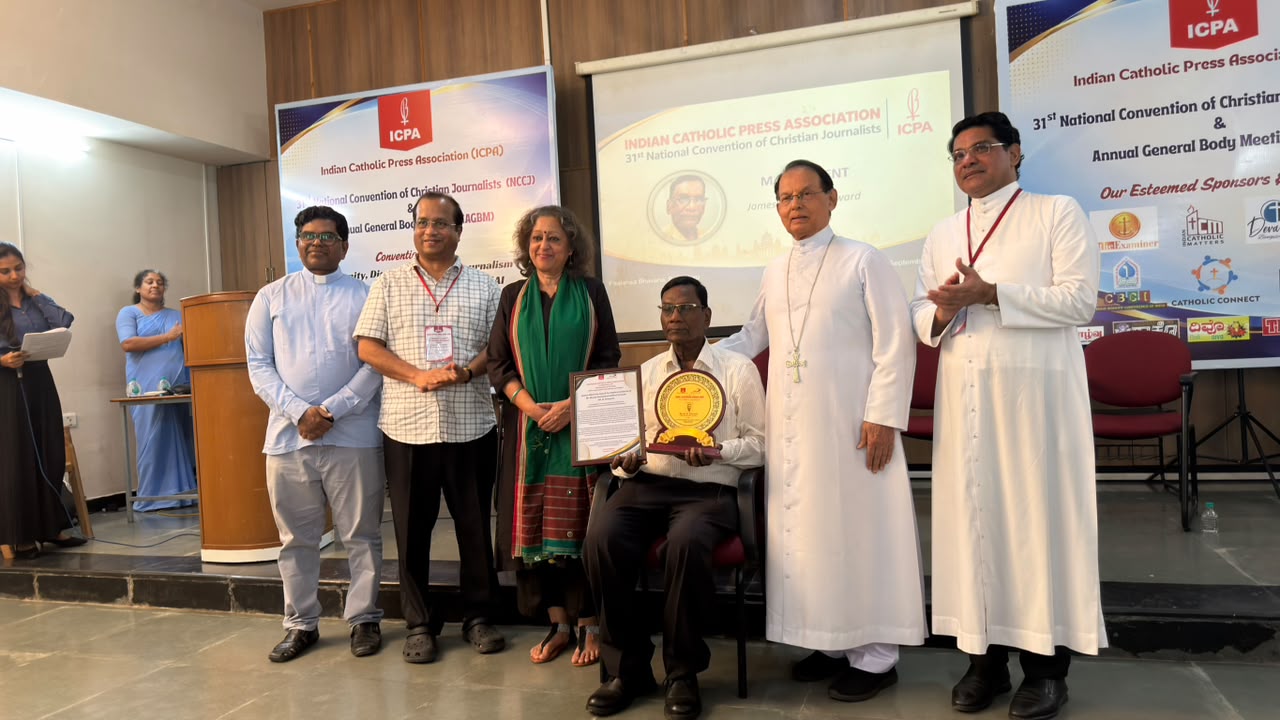 ICPA
ICPA
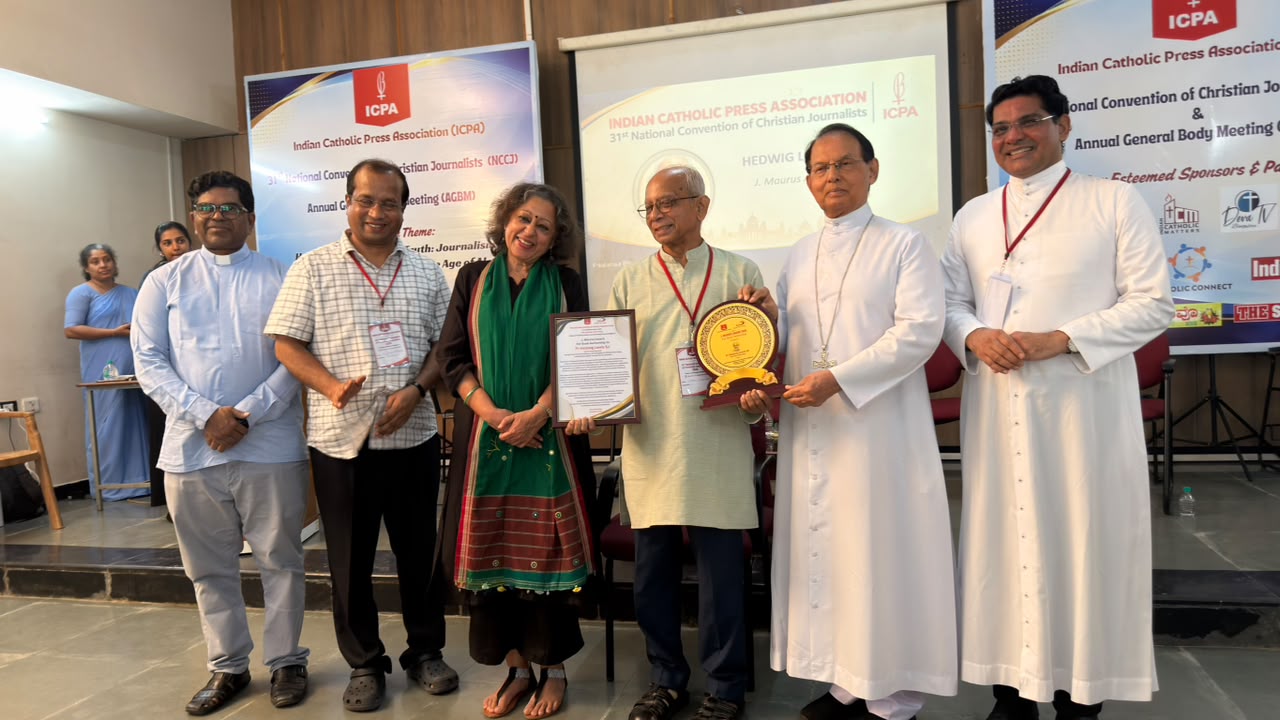 ICPA
ICPA
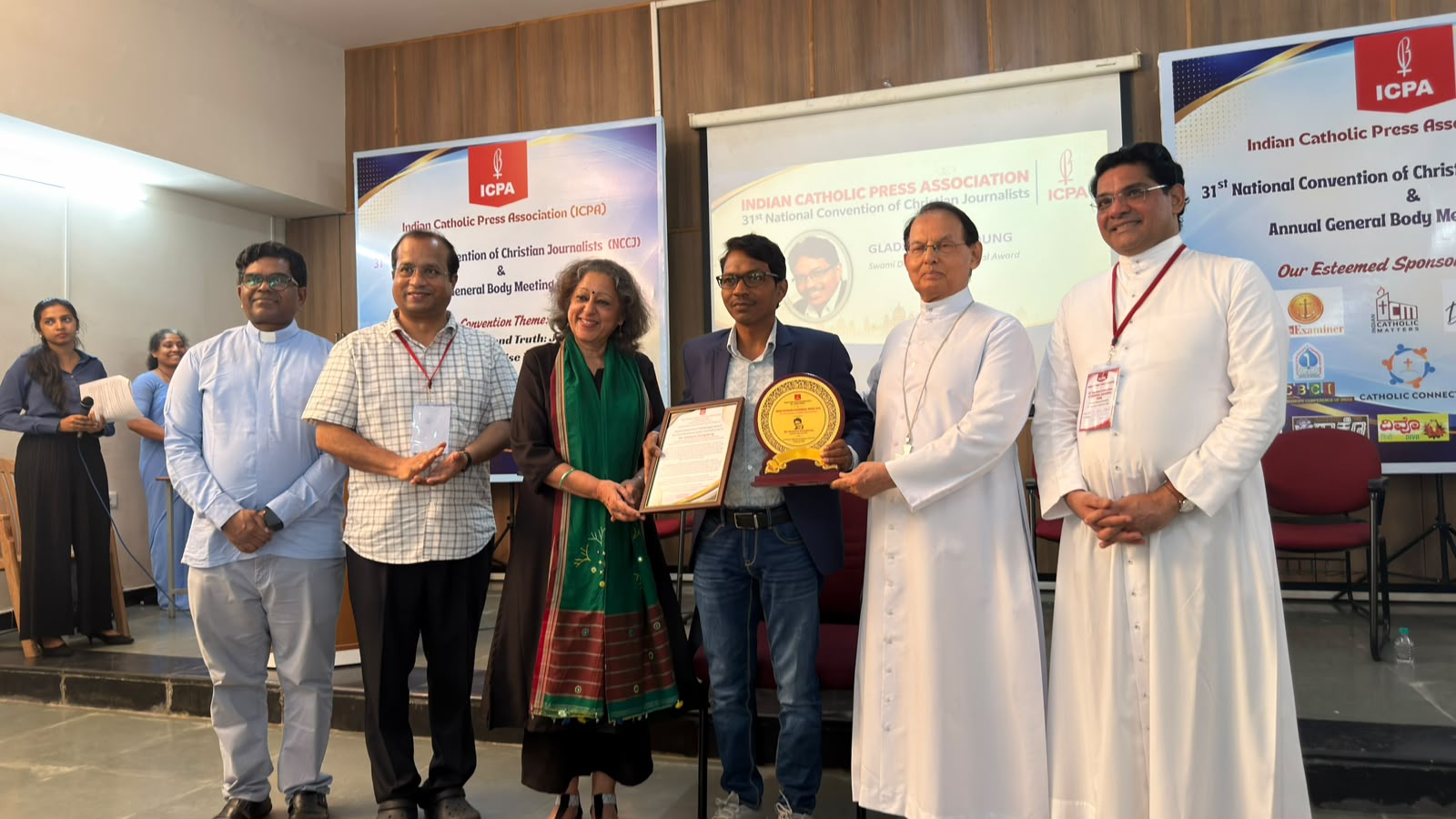 ICPA
ICPA
 ICPA
ICPA
.jpg)
 A. J. Philip
.jpg) Jacob Peenikaparambil
Jacob Peenikaparambil
.jpg)
.png) John Dayal
John Dayal